


Many women struggle with dry, frizzy hair despite trying multiple natural products, feeling frustrated and unsure which formulas truly work. Success depends on understanding your hair’s unique characteristics and matching them to ingredients that genuinely nourish and restore. This guide empowers you to confidently choose natural, cruelty-free products tailored to your hair, helping you achieve healthier, more manageable results without compromising your values or scalp health.
Table of Contents
- Understanding Natural Haircare Essentials
- Assessing Hair Type And Porosity
- Key Ingredients To Look For
- Ingredient Avoidance And Safety Warnings
- Tailoring Products To Hair Type And Lifestyle
- Common Mistakes And Troubleshooting
- Expected Timelines And Results
- Discover Cruelty-Free Natural Haircare Solutions At Luxeva
Key takeaways
| Point | Details |
|---|---|
| Understanding hair type and porosity is essential | Identifying your unique hair characteristics guides effective natural product selection. |
| Avoid harmful ingredients | Sulfates, parabens, and silicones damage hair and scalp health over time. |
| Choose plant-based, cruelty-free ingredients | Botanical extracts and natural oils nourish hair without synthetic irritants. |
| Personalise your routine | Consider lifestyle, styling habits, and environmental factors when selecting products. |
| Allow time for adjustment | Expect 2 to 4 weeks for your scalp to adapt and visible improvements to emerge. |
Understanding natural haircare essentials
Natural haircare excludes harsh chemicals that strip your hair of its protective oils and nutrients. Products formulated without sulfates, parabens, silicones, and synthetic fragrances support scalp health and nourishment through botanical extracts, essential oils, and natural humectants. Ingredients like aloe vera, shea butter, and coconut oil provide moisture and strength without synthetic irritants.
Consumer safety and sustainability drive the natural haircare movement. Cruelty-free certifications, biodegradable packaging, and transparent ingredient lists align with ethical values whilst delivering effective results. Avoiding sulfates like Sodium Lauryl Sulfate is crucial because they strip natural oils, causing frizz and damage whilst irritating skin and eyes.
Natural formulations prioritise your hair’s long-term health over quick cosmetic fixes. Unlike conventional products that coat hair with silicones to create temporary smoothness, plant-based ingredients penetrate the hair shaft to repair and strengthen from within. This approach requires patience but delivers sustainable improvements in texture, shine, and manageability.
Key benefits of natural haircare include:
- Gentle cleansing that preserves natural sebum balance
- Nutrient-rich formulas supporting hair follicle health
- Reduced risk of scalp irritation and allergic reactions
- Environmental sustainability through biodegradable ingredients
- Ethical production respecting animal welfare
Understanding why choose natural hair products helps you make informed decisions that align your beauty routine with your health priorities. Natural haircare represents a commitment to both personal wellness and responsible consumption.
Assessing hair type and porosity
Identifying your hair type and porosity level is fundamental to selecting products that truly work. Hair texture falls into four main categories: straight, wavy, curly, and coily. Each type has distinct moisture needs and responds differently to formulations. Straight hair tends toward oiliness at the scalp, whilst curly and coily textures often struggle with dryness.
Hair porosity determines moisture absorption and significantly affects product effectiveness. Porosity refers to how easily your hair cuticles absorb and retain moisture. Low porosity hair has tightly sealed cuticles that resist moisture penetration, requiring lighter products and heat for absorption. High porosity hair has raised cuticles that absorb moisture quickly but struggle to retain it, needing heavier, protein-rich formulations.
Perform a simple porosity test at home: place a clean strand of hair in a glass of water. Low porosity hair floats on the surface, medium porosity hair suspends in the middle, and high porosity hair sinks quickly. This test reveals your hair’s cuticle condition and guides product selection.
| Hair Type | Texture | Porosity Level | Product Needs |
|---|---|---|---|
| Straight | Fine, sleek | Usually low | Lightweight shampoos, volumising formulas |
| Wavy | S-shaped pattern | Low to medium | Balancing moisture, defining products |
| Curly | Defined spirals | Medium to high | Rich moisturisers, curl-enhancing creams |
| Coily | Tight zigzag | Usually high | Heavy butters, protein treatments |
Understanding what is hair porosity impact transforms how you approach product selection. Combine your texture assessment with porosity knowledge to create a targeted routine. Straight, low-porosity hair benefits from clarifying shampoos and light conditioners, whilst coily, high-porosity hair thrives with deep conditioning treatments and sealing oils.
Pro Tip: Test porosity on multiple strands from different areas of your head, as porosity can vary due to heat damage or chemical processing. This comprehensive assessment ensures you choose products matching your hair’s actual condition, not assumptions.
Key ingredients to look for
Plant-based moisturisers form the foundation of effective natural haircare. Shea butter deeply nourishes dry, brittle hair whilst providing essential vitamins A and E. Aloe vera hydrates without heaviness, making it ideal for all hair types. Coconut oil penetrates the hair shaft to reduce protein loss and strengthen from within.
Nutrient-rich oils deliver concentrated benefits for hair restoration. Argan oil contains fatty acids and vitamin E that repair damage and add shine. Biotin strengthens hair follicles and promotes growth. Rosemary oil stimulates circulation to the scalp, encouraging healthier, denser hair over time.

Vegan and cruelty-free haircare relies on plant-powered ingredients for effective, ethical solutions. These formulations exclude all animal-derived components whilst delivering superior results through botanical science. Look for certifications from recognised organisations like Leaping Bunny or PETA to verify cruelty-free claims.
Essential ingredients for healthy hair include:
- Shea butter for intensive moisture and cuticle smoothing
- Aloe vera for lightweight hydration and scalp soothing
- Argan oil for shine, repair, and frizz control
- Biotin for follicle strength and growth support
- Jojoba oil for sebum balance and scalp health
- Rosemary extract for circulation and density
Ingredient transparency ensures you know exactly what touches your hair and scalp. Reputable brands list all components clearly, avoiding vague terms like “fragrance” that hide synthetic chemicals. Certifications such as Ecocert, COSMOS, or USDA Organic provide additional assurance of ingredient purity and ethical sourcing.
Prioritise natural oils support hair through their unique molecular structures that complement your hair’s natural composition. These oils don’t just coat the surface but work at a cellular level to restore elasticity, moisture balance, and structural integrity.
Ingredient avoidance and safety warnings
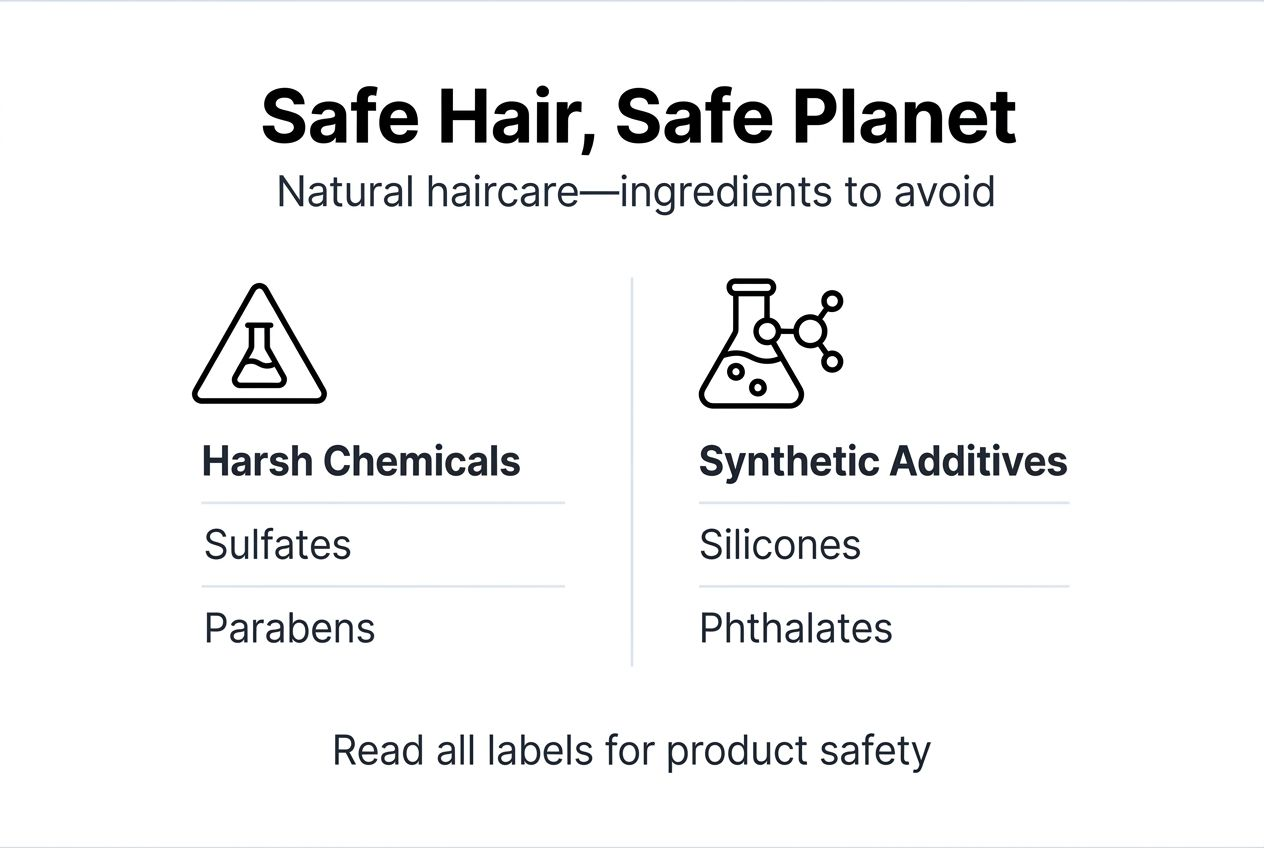
Sulfates cause scalp irritation and dryness in over 30% of users, making them a primary ingredient to avoid. Sodium Lauryl Sulfate and Sodium Laureth Sulfate create abundant lather but strip essential oils, leaving hair brittle and prone to breakage. This harsh cleansing disrupts your scalp’s natural pH balance.
Parabens have been linked to health risks and hair damage, warranting serious caution. These preservatives extend shelf life but may interfere with hormone function and weaken hair structure over time. Methylparaben, propylparaben, and butylparaben commonly appear in conventional formulas.
Silicones create an illusion of healthy hair by coating strands with synthetic polymers. Dimethicone and cyclomethicone provide temporary smoothness but prevent moisture penetration and cause buildup. This coating traps dirt and styling products, ultimately making hair duller and more difficult to manage.
Always perform a patch test before using new products fully. Apply a small amount to your inner forearm or behind your ear, wait 24 hours, and check for redness, itching, or irritation. This simple precaution prevents widespread allergic reactions and identifies sensitivities before they affect your entire scalp.
Critical ingredients to avoid:
- Sodium Lauryl Sulfate and related sulfates that strip oils
- Parabens including methyl, propyl, and butyl variants
- Silicones like dimethicone that create buildup
- Synthetic fragrances masking harmful chemicals
- Formaldehyde-releasing preservatives linked to irritation
Pro Tip: Read ingredient labels from start to finish, as harmful components often hide in the middle or end of lengthy lists. Choose certified paraben-free products displaying recognised seals on packaging.
‘Sulfates cause dryness and irritation in more than 30% of users—select gentle, natural alternatives.’
Understanding why avoid sulfates shampoo and why use paraben free products protects your long-term hair health and reduces exposure to potentially harmful substances.
Tailoring products to hair type and lifestyle
Matching formulas to your specific hair characteristics dramatically improves results. Curly and coily hair thrives with rich, creamy moisturisers containing shea butter and heavy oils that seal moisture into porous strands. Straight or fine hair benefits from lightweight shampoos and volumising conditioners that cleanse without weighing hair down.
Scalp condition guides product selection as much as hair texture. Dry, flaky scalps need gentle, hydrating formulas with soothing ingredients like chamomile or tea tree oil. Oily scalps require balancing shampoos with clay or charcoal that absorb excess sebum without triggering increased oil production. Sensitive scalps demand fragrance-free, hypoallergenic options.
Lifestyle factors significantly impact which products serve you best. Frequent heat styling necessitates protective serums with natural heat barriers. Regular swimming in chlorinated pools requires clarifying treatments to remove chemical buildup. Urban environments with high pollution levels benefit from antioxidant-rich formulas that shield hair from environmental damage.
| Hair Type | Climate Needs | Lifestyle Factor | Recommended Product Features |
|---|---|---|---|
| Straight, fine | Humid | Heat styling | Lightweight, heat-protective serums |
| Wavy, medium | Dry | Outdoor activities | Hydrating mists, UV protection |
| Curly, thick | Temperate | Minimal styling | Rich creams, curl-defining gels |
| Coily, dense | Cold, dry | Protective styling | Heavy butters, deep conditioners |
Personalised haircare regimens improve satisfaction by approximately 40% compared to generic approaches. Building an effective routine encompasses cleansing, conditioning, treatment, and protection steps tailored to your unique needs.
Your complete routine should address multiple care dimensions. Cleansing removes buildup without stripping oils. Conditioning replenishes moisture and detangles. Weekly treatments provide intensive repair. Leave-in products protect against daily stressors. This layered approach ensures comprehensive hair health.
Consider care for scalp natural hair as foundational to your entire routine. Healthy hair grows from a balanced, nourished scalp. Products supporting scalp health create the conditions for stronger, more resilient hair over time.
Common mistakes and troubleshooting
Up to 35% of new natural haircare users report dissatisfaction due to ignoring hair porosity, skipping patch tests, or expecting instant results. These avoidable errors undermine the transition to natural products and lead many to abandon effective solutions prematurely.
Choosing products based solely on price compromises ingredient quality and efficacy. Budget options often contain fillers or lower concentrations of active botanicals. Whilst premium products cost more initially, their concentrated formulas deliver better results per application, making them more economical long-term.
Ignoring hair porosity ranks among the most common mistakes. Low-porosity hair users who apply heavy butters experience greasy buildup rather than moisture absorption. High-porosity hair users who choose lightweight formulas see minimal improvement because products cannot address their deep hydration needs. Accurate porosity assessment prevents these mismatches.
Skipping patch tests risks allergic reactions that damage your scalp and hair. Natural ingredients, whilst generally gentler, can still trigger sensitivities in some individuals. Essential oils, tree nut derivatives, and botanical extracts may cause reactions in sensitive users. Testing small amounts prevents widespread problems.
Impatience sabotages success with natural haircare. Your scalp needs 2 to 4 weeks to adjust its sebum production after switching from sulfate-based products. During this transition, hair may feel different or produce excess oil temporarily. Many users give up before their scalp recalibrates, mistakenly believing natural products don’t work.
Frequent mistakes to avoid:
- Selecting products based on marketing claims without checking ingredients
- Using the same products year-round despite seasonal hair changes
- Over-washing hair, which strips natural oils even with gentle formulas
- Applying products incorrectly for your hair porosity level
- Mixing too many new products simultaneously, making results difficult to assess
Pro Tip: Keep a haircare journal tracking products used, application methods, and observed results. This record helps identify patterns, isolate what works, and adjust your routine systematically rather than making random changes.
Refer to natural hair repair checklist 7 essential steps for structured guidance on implementing and troubleshooting your natural haircare journey effectively.
Expected timelines and results
Switching to natural haircare typically requires 2 to 4 weeks for the scalp to adjust and for noticeable improvements in moisture and texture. Your scalp must recalibrate sebum production after years of sulfate exposure that stripped oils and triggered compensatory overproduction. This adjustment period varies based on previous product use and individual scalp chemistry.
Early signs of success appear within the first month. Hair feels softer and more hydrated as natural oils restore balance. Manageability improves as cuticles smooth and frizz diminishes. The scalp may feel less itchy or irritated as inflammatory ingredients are removed from your routine.
Long-term benefits emerge over subsequent months. Hair strength increases as protein-rich treatments rebuild structural integrity. Density may improve as healthy scalp conditions support follicle function. Breakage decreases noticeably as moisture balance and elasticity are restored. Shine and vibrancy intensify as damaged cuticles repair.
Recognising signs that products aren’t working helps you adjust before wasting time on ineffective formulas. Persistent dryness despite regular conditioning suggests products are too light for your porosity level. Ongoing irritation, redness, or itching indicates ingredient sensitivities requiring immediate product change. Increased hair loss or breakage signals formulas are too harsh or protein levels are imbalanced.
Progressive improvement indicators include:
- Reduced frizz and improved curl definition within 3 to 4 weeks
- Enhanced shine and smoother texture by 6 to 8 weeks
- Decreased breakage and split ends after 10 to 12 weeks
- Potential new growth and improved density after 4 to 6 months
- Overall hair health transformation within 6 to 12 months
Adjust your routine gradually based on observation and feedback. If products feel too heavy, switch to lighter formulations or reduce application frequency. If hair remains dry, increase deep conditioning treatments or add sealing oils. Systematic adjustments based on actual results produce better outcomes than dramatic routine overhauls.
Discover cruelty-free natural haircare solutions at Luxeva
Transitioning to natural haircare becomes effortless when you have access to expertly curated, ethically produced products. Luxeva offers premium, cruelty-free formulations designed for diverse hair types and concerns, making it simple to find solutions that align with both your hair health goals and your values.

Explore Luxeva’s carefully selected range of plant-based shampoos, conditioners, and treatments free from sulfates, parabens, and silicones. Each product features transparent ingredient lists and sustainable sourcing that supports environmental responsibility alongside your personal wellness. From moisturising argan oil rituals to strengthening biotin treatments, LUXEVA natural haircare products deliver science-backed results through botanical ingredients. Shop confidently knowing every formula meets rigorous standards for ingredient purity, cruelty-free certification, and efficacy, giving you the tools to achieve healthier, more beautiful hair naturally.
FAQ
How do I determine my hair porosity at home?
Perform the float test by placing a clean strand of hair in a glass of room-temperature water. Low porosity hair floats on the surface because tightly sealed cuticles resist water absorption. High porosity hair sinks quickly as raised cuticles readily absorb moisture. Understanding your what is hair porosity impact guides you toward products that match your hair’s moisture absorption and retention capacity.
Which natural ingredients are best for dry, brittle hair?
Shea butter, aloe vera, argan oil, and coconut oil provide intensive hydration for dry, damaged hair. Shea butter deeply moisturises whilst sealing the cuticle, aloe vera offers lightweight hydration without heaviness, and argan oil repairs damage whilst adding shine. These natural oils support hair through their unique molecular structures that penetrate the hair shaft and restore moisture balance effectively.
How long before I see results from switching to natural haircare?
It typically takes 2 to 4 weeks for your scalp and hair to adjust when switching to natural haircare. During this period, sebum production normalises and hair texture begins improving. Early improvements include increased softness and hydration, whilst long-term benefits like reduced breakage and enhanced strength emerge over several months. Patience during the adjustment phase is essential for experiencing the full benefits.
Can natural haircare work for all hair types?
Natural haircare effectively serves all hair types when products are properly matched to individual characteristics. Straight hair benefits from lightweight, volumising formulas, whilst curly and coily hair thrives with rich, moisturising treatments. The key lies in understanding your specific hair type, porosity level, and scalp condition to select appropriate plant-based ingredients that address your unique needs.
Are expensive natural products always better quality?
Price doesn’t always indicate quality, though premium natural products often contain higher concentrations of active botanicals and superior sourcing. Focus on ingredient lists, certifications, and brand transparency rather than price alone. Well-formulated mid-range products with clean ingredients and proper certifications often deliver excellent results. Read labels carefully and prioritise products matching your hair’s specific needs over marketing claims or price points.