


Finding the right solution for hair thinning can feel exhausting, especially when every shelf is packed with promises. The connection between scalp health and hair quality is undeniable, with clean, clear follicles laying the groundwork for natural hair revival. For British women seeking premium, cruelty-free options, understanding proper scalp care is the first step toward lasting results. This guide helps you decode scalp care essentials, so your journey starts with genuine science and gentle, effective routines.
Table of Contents
- What Is Scalp Care And Why It Matters
- Types Of Scalp Conditions And Symptoms
- Clean Ingredients And Science-Backed Solutions
- Daily Rituals For Optimal Scalp Health
- Common Mistakes When Caring For Your Scalp
Key Takeaways
| Point | Details |
|---|---|
| Importance of Scalp Care | A healthy scalp is essential for strong hair growth, and neglecting it can lead to numerous hair problems. |
| Three Pillars of Scalp Care | Effective scalp care revolves around regular cleansing, gentle exfoliation, and targeted treatments. |
| Common Scalp Conditions | Recognising scalp conditions like dandruff and psoriasis is crucial for proper treatment and to prevent hair loss. |
| Daily Care Rituals | Consistent routines, including scalp massages and appropriate cleansing, lead to significant improvements in scalp health. |
What Is Scalp Care and Why It Matters
Your scalp is the foundation of healthy hair. Without proper attention to this often-overlooked area, even the finest products cannot deliver the results you seek.
Scalp care refers to the practice of maintaining a clean, balanced, and healthy scalp environment. This involves far more than a quick shampoo—it’s about creating conditions where your hair can truly flourish.
The Connection Between Scalp Health and Hair Quality
Think of your scalp like soil in a garden. Poor soil produces weak plants, whilst rich, well-maintained soil nurtures strong growth. The same principle applies to your hair.
When your scalp accumulates buildup—whether from product residue, dead skin cells, or excess oils—hair follicles become clogged. This directly impacts hair quality, texture, and strength. Proper scalp care involves maintaining clean, clear follicles to support healthy hair growth from the root.
A compromised scalp environment can lead to:
- Weakened hair strands that break more easily
- Slower hair growth or stunted growth entirely
- Increased shedding and thinning
- Visible dullness and lack of vitality
- Persistent dandruff and irritation
When you address scalp health first, your entire hair transformation becomes possible.
Why Scalp Care Matters Now More Than Ever
Today’s environment poses unique challenges to scalp health. Pollution, hard water minerals, frequent heat styling, and heavy product buildup accumulate faster than ever before. Your scalp cannot shed these obstacles naturally without active support.
For women seeking natural hair revival, scalp care is non-negotiable. Without it, you’re fighting an uphill battle against thinning and lacklustre growth.
A healthy scalp is the prerequisite for any successful hair revival strategy. No product, no matter how premium, can compensate for a neglected scalp.
The Three Pillars of Scalp Care
Effective scalp care rests on three fundamental practices:
- Regular cleansing to remove oil buildup, product residue, and environmental debris
- Gentle exfoliation to eliminate dead skin cells and improve circulation
- Targeted treatments using natural, nourishing ingredients suited to your scalp type
Each pillar works together. Cleansing alone leaves dead skin behind. Exfoliation without proper cleansing can irritate. And treatments work best on a properly prepared scalp.
Beyond the Basics
Comprehensive scalp health sometimes requires professional evaluation, especially when addressing conditions like hair thinning or persistent shedding. Understanding your scalp’s unique needs—whether it’s sensitivity, oiliness, dryness, or specific conditions—allows you to select products and practices that actually work.
This is where premium, scientifically-backed scalp treatments shine. Natural ingredients combined with proven formulations address root causes rather than masking symptoms.
Pro tip: Start with a scalp assessment before investing in treatments. Identify whether your scalp leans oily, dry, sensitive, or combination to ensure your chosen products target your actual needs rather than guesswork.
Types of Scalp Conditions and Symptoms
Not all scalp problems are created equal. Understanding what you’re dealing with is the first step towards effective treatment and hair revival.
Scalp conditions range from temporary irritation to chronic inflammatory disorders. Each manifests differently and responds to different approaches. Recognising the symptoms early allows you to intervene before hair loss accelerates.
Dandruff and Seborrheic Dermatitis
Dandruff is one of the most common scalp conditions, affecting countless women. You’ll notice white or yellowish flakes on your scalp, hair, and clothing, often accompanied by itching.
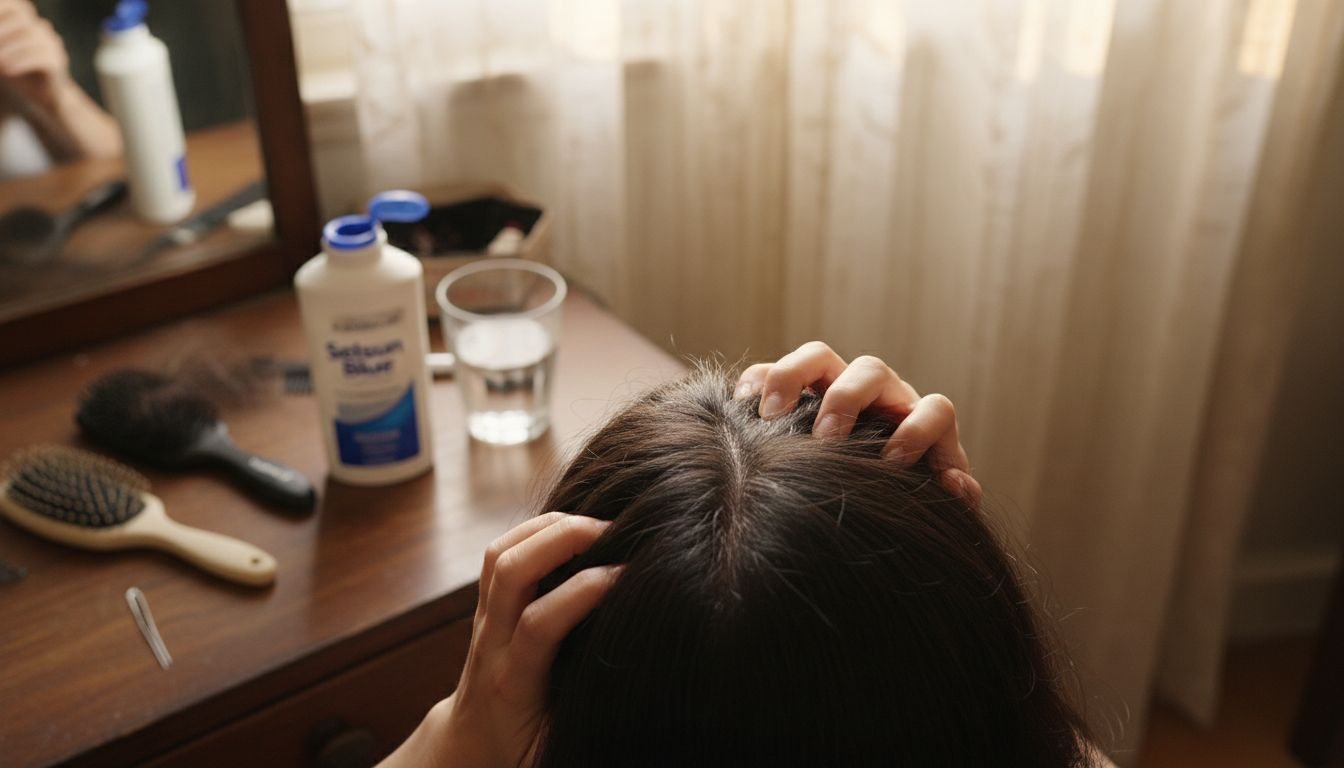
Itchy, flaky skin typically develops when your scalp’s natural fungal balance shifts or skin inflammation increases. Unlike dry skin flakes, dandruff persists despite regular washing.
Key signs include:
- Visible white flakes in hair and on shoulders
- Persistent itching or burning sensation
- Redness or irritation on the scalp
- Oily or sometimes dry appearance
- Flaking that worsens in winter or stress periods
Seborrheic dermatitis is a related condition causing similar symptoms but with stronger inflammation. Regular cleansing with medicated ingredients can help manage both effectively.
Scalp Psoriasis
Scalp psoriasis is a chronic inflammatory condition distinct from simple dandruff. It presents as thick, red, scaly patches that can cause significant discomfort.
Unlike temporary irritation, scalp psoriasis symptoms include itching, burning, and dryness that can lead to temporary hair loss through inflammation or scratching. The condition fluctuates between flare-ups and calmer periods.
Recognise these warning signs:
Here’s a summary of common scalp conditions, how they differ, and effective strategies for care:
| Condition | Distinctive Signs | Main Cause | Care Strategy |
|---|---|---|---|
| Dandruff | Oily, large flakes, itchy scalp | Fungal imbalance | Antifungal shampoos, gentle cleansing |
| Psoriasis | Thick, red, scaly patches | Autoimmune inflammation | Medicated treatments, avoid scratching |
| Dry Scalp | Powdery, fine flakes, tightness | Lack of moisture | Moisturising oils, avoid harsh cleansers |
| Sensitivity | Tenderness, redness after products | Harsh chemicals, over-processing | Fragrance-free, hypoallergenic care |
| Seborrheic Dermatitis | Yellowish, greasy flakes, redness | Severe fungal imbalance | Medicated shampoos, dermatologist input |
- Thick, silvery-red patches on scalp
- Cracking or bleeding skin from scratching
- Burning or intense itching
- Hair shedding from inflammation
- Symptoms worsening during stress or winter months
Scalp Sensitivity and Irritation
Many women experience scalp sensitivity without a diagnosed condition. This often stems from product buildup, harsh ingredients, or over-processing.
Sensitive scalps react to everyday triggers: fragrance, sulphates, heat styling, or chemical treatments. The scalp becomes tender, red, or itchy after using certain products.
Hair Loss and Thinning
Scalp conditions frequently cause visible hair loss. Understanding whether you’re experiencing temporary shedding or progressive thinning matters significantly for treatment decisions.
Progressive hair thinning linked to scalp problems requires targeted intervention. Addressing the underlying scalp condition often halts or reverses hair loss when caught early.
Scalp symptoms are often your hair’s way of signalling deeper problems. Addressing them now prevents compounding damage later.
When to Seek Professional Assessment
Some scalp conditions benefit from professional evaluation. If symptoms persist beyond two weeks, worsen despite home care, or cause significant hair loss, professional guidance becomes valuable.
A dermatologist can identify specific conditions and recommend targeted treatments rather than guesswork.
Pro tip: Keep a simple symptom diary for one week—note when itching peaks, whether flaking appears, and any triggers you notice. This information helps professionals diagnose your specific condition accurately and recommend the right treatment approach.
Clean Ingredients and Science-Backed Solutions
Not all scalp care products deliver what they promise. The difference between results and disappointment often comes down to ingredient quality and scientific backing.
Premium scalp care combines two essential elements: clean, natural ingredients and proven scientific research. This combination addresses root causes rather than masking symptoms temporarily.
Why Clean Ingredients Matter
Your scalp absorbs everything you apply to it. Using products filled with harsh chemicals undermines your hair revival goals before treatment even begins.
Sulphates and parabens strip your scalp of natural oils and can trigger sensitivity. These ingredients create a vicious cycle: they damage your scalp, forcing you to use more products to compensate.
Clean ingredients work differently. They support your scalp’s natural balance rather than fighting against it. Your scalp can heal and strengthen without constant interference.
Key benefits of clean formulations include:
The following table highlights key differences between clean and conventional scalp care ingredients:
| Aspect | Clean Formulations | Conventional Products |
|---|---|---|
| Ingredient Base | Plant-derived, gentle actives | Synthetic, harsher chemicals |
| Typical Additives | No sulphates or parabens | Often contains perfumes, SLS |
| Microbiome Effect | Supports healthy balance | May disrupt scalp flora |
| Long-Term Outcome | Promotes lasting scalp health | Can lead to sensitivity over time |
- Gentler cleansing without stripping natural oils
- Reduced irritation and sensitivity reactions
- Support for healthy scalp microbiome balance
- Long-term scalp health rather than temporary fixes
- Cruelty-free and sustainable sourcing
Natural Ingredients Backed by Science
Natural doesn’t mean ineffective. Modern research has validated numerous plant-based ingredients for scalp health and hair strength.
Vegan-friendly haircare formulations incorporate biopolymers from plant sources like tara fruit and red algae. These create protective films on hair strands, improving shine and manageability whilst remaining entirely plant-derived.
Other scientifically-validated natural ingredients include:
- Argan oil: Rich in antioxidants and fatty acids for scalp nourishment
- Rosemary mint: Promotes circulation and soothes irritated scalps
- Biotin: Supports hair strength from within
- Caviar extract: Anti-ageing properties that strengthen ageing hair
These aren’t folklore remedies—they’re backed by dermatological research and clinical testing.
The Science of Effective Scalp Care
Proper scalp hygiene with appropriate shampoos removes excess sebum and debris, reducing risk of scalp conditions whilst maintaining healthy balance. Regular cleansing suited to your hair type prevents buildup without causing damage.
Science-backed solutions understand your scalp’s microbiome. Rather than killing all bacteria, they encourage beneficial microorganisms whilst preventing harmful overgrowth.
Clean ingredients combined with scientific research create treatments that actually work. You’re investing in solutions, not just pleasant-smelling bottles.
Recognising Genuinely Effective Products
Look for products that transparently list ingredients and cite scientific backing. Premium brands explain why their formulations work, not just what they contain.
Effective scalp care products typically feature:
- Transparent ingredient lists with no hidden chemicals
- Clinical research supporting efficacy claims
- Cruelty-free and sustainable sourcing
- Formulations tailored to specific scalp conditions
- Woman-led creation and testing
These details matter because they indicate genuine commitment to your results.
Pro tip: Start by checking product labels for sulphates, parabens, and synthetic fragrances. If these appear high in the ingredient list, your scalp will likely struggle despite the marketing claims. Look instead for plant-derived actives positioned early in the formulation.
Daily Rituals for Optimal Scalp Health
Consistency matters more than intensity when it comes to scalp care. Small daily actions compound into transformative results over weeks and months.
Building a sustainable scalp care ritual requires understanding your specific needs and committing to practices that actually fit your lifestyle. This isn’t about perfection—it’s about progress.
The Morning Cleanse
Your morning routine sets the tone for scalp health throughout the day. A proper cleanse removes overnight oil buildup and prepares your scalp for treatments.
Correct shampooing frequency based on hair type and scalp condition ensures you’re cleansing without over-stripping. Use lukewarm water rather than hot, which can trigger excess oil production.
Focus your cleansing on the scalp itself, not just the hair lengths. Massage gently with your fingertips using circular motions for 60-90 seconds. This removes product buildup whilst stimulating blood flow.
Key morning cleansing tips:
- Use gentle shampoo formulated for your scalp type
- Massage the scalp, not just the hair strands
- Rinse thoroughly with cool water to seal the scalp
- Pat dry gently—never rub aggressively
Scalp Massage for Circulation
Don’t underestimate the power of a simple scalp massage. This ancient practice has modern scientific backing for improving hair growth and scalp health.
Scalp massages stimulate circulation to nourish hair follicles from within. Even five minutes daily makes a measurable difference over time.
Perform your massage with your fingertips, using gentle pressure in circular motions. Start at your hairline and work backwards towards the nape of your neck. You should feel relaxed, never strained.
Evening Treatment Ritual
Your evening routine allows time for deeper treatments to work whilst you sleep. This is when concentrated scalp serums and oils deliver maximum benefit.
Apply targeted treatments to your scalp 30-60 minutes before bed. Natural oils like argan or jojoba work beautifully during this window. Avoid sleeping with wet treatments on your pillow—the friction causes unnecessary stress.
Evening ritual essentials:
- Apply lightweight scalp serum or oil to damp scalp
- Massage gently for 2-3 minutes
- Allow 30 minutes for absorption before bed
- Use a silk pillowcase to minimise friction damage
Weekly Scalp Exfoliation
Once weekly exfoliation removes dead skin cells that accumulate despite daily cleansing. This prevents buildup from suffocating your hair follicles.
Routine exfoliation and protection from harsh chemicals contribute to a healthy scalp environment. Use a gentle exfoliating treatment suited to your scalp sensitivity level.
Consistency beats intensity. Daily habits compound into visible hair revival faster than occasional intensive treatments.
Hydration From Within and Without
Scalp health extends beyond topical products. Internal hydration supports external results significantly.
Drink adequate water daily and use moisturising treatments suited to your scalp type. If your scalp tends dry, oil-based treatments work best. Oily scalps benefit from lightweight, water-based hydrators.
Pro tip: Establish a non-negotiable evening ritual: cleanse gently, massage for five minutes, apply treatment, and use a silk pillowcase. Set a phone reminder for the first week to build the habit. Once it becomes automatic, you’ll see visible improvements in scalp health and hair growth within 8-12 weeks.
Common Mistakes When Caring for Your Scalp
Good intentions often lead to poor scalp care decisions. Many women unknowingly sabotage their hair revival efforts through widespread mistakes that seem harmless.
Recognising these pitfalls allows you to course-correct before damage compounds. Your scalp’s health depends on avoiding these common traps.
Overwashing with Harsh Products
This is the single biggest mistake holding back hair revival. Many women believe more washing equals cleaner, healthier scalps—the opposite is true.
Overwashing hair with harsh shampoos strips natural oils that protect your scalp and hair. When you strip these oils away, your scalp compensates by producing even more oil, creating a vicious cycle.
Your scalp needs those protective oils. Stripping them away triggers irritation, itching, and flaking. Wash your hair 2-3 times weekly, not daily, unless your scalp is genuinely oily.
Using Water That’s Too Hot
Hot water feels lovely in the moment but damages your scalp significantly. Heat opens your scalp’s pores excessively and strips protective oils rapidly.
Switch to lukewarm water for shampooing. Save hot water for loosening product during conditioning, but rinse with cool water always. This simple change reduces scalp irritation and dryness dramatically.
Applying Conditioner to Your Scalp
Conditioner belongs on mid-lengths and ends, never on your scalp. This is a critical distinction many women ignore.
Applying conditioner to your scalp creates buildup, weighs hair down, and triggers oiliness. Focus conditioning only on hair strands. If your scalp feels dry, use a targeted scalp treatment instead.
Confusing Dandruff with Dry Scalp
Confusing dandruff with dry scalp causes ineffective treatments. These conditions require opposite approaches, yet many women treat them identically.
Dandruff involves fungal overgrowth and requires antifungal ingredients. Dry scalp needs moisturising treatments. Using the wrong approach worsens whichever condition you actually have.
Dry scalp: itching with flaking that looks like fine powder. Dandruff: oily flakes, sometimes yellowish, often with stronger odour.
Over-Exfoliating
Weekly exfoliation helps. Daily or twice-weekly exfoliation damages your scalp barrier and triggers sensitivity.
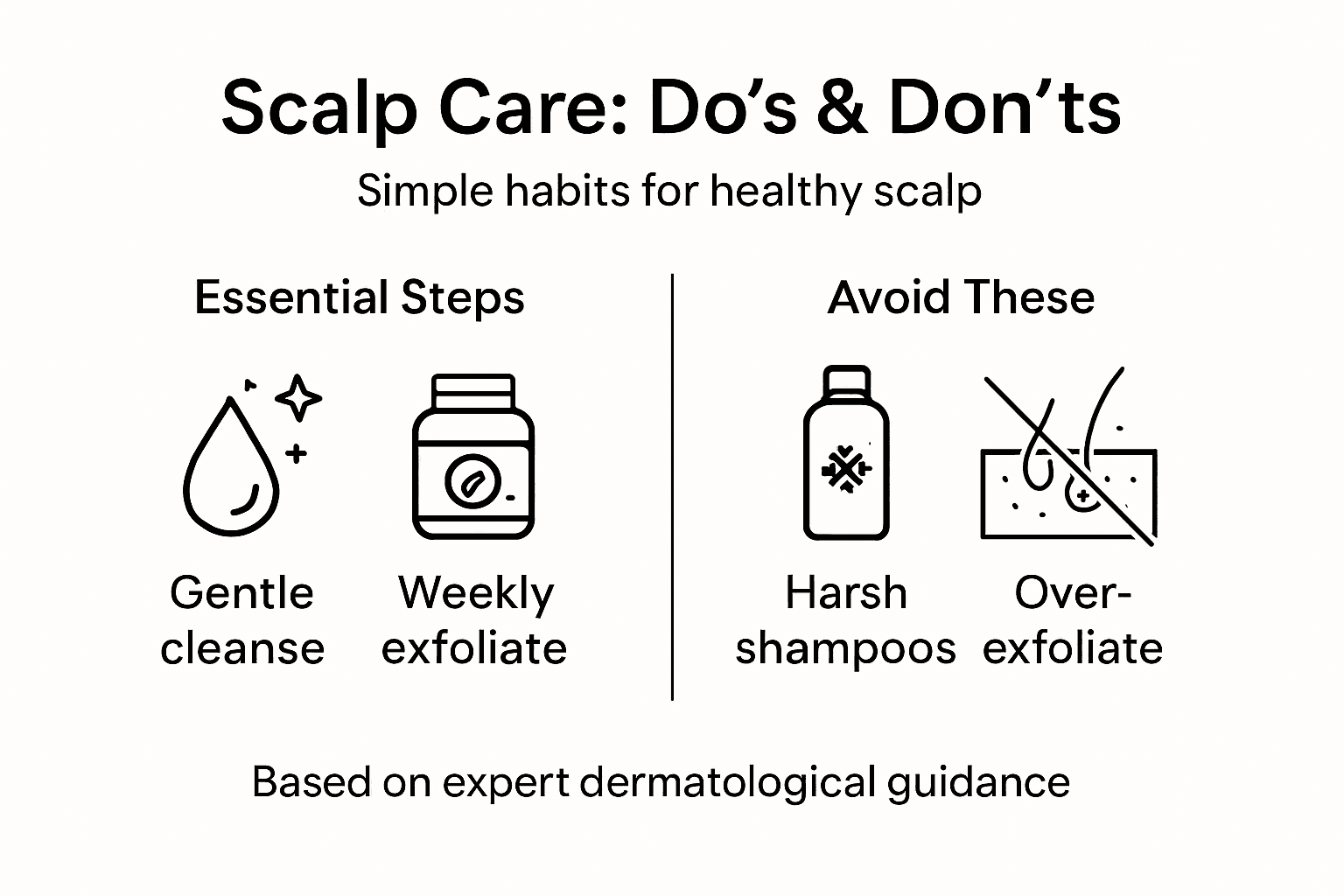
Gentle exfoliation once weekly removes dead skin cells without irritation. Your scalp needs time to recover between exfoliations. Over-exfoliating leads to redness, burning, and increased sensitivity.
Ignoring Scalp Conditions
Some scalp issues require professional assessment, yet many women attempt self-diagnosis and self-treatment indefinitely.
If symptoms persist beyond two weeks or worsen despite home care, see a dermatologist. Conditions like psoriasis, fungal infections, or alopecia need proper diagnosis. Self-treating the wrong condition wastes time and money whilst damage accumulates.
Scalp care mistakes compound quickly. Stop one harmful habit and you’re already on the path to hair revival.
Using Products with Irritants
Fragrance, sulphates, and harsh preservatives trigger sensitivity in many scalps. Just because a product smells nice doesn’t mean your scalp tolerates it.
Read ingredient lists carefully. Patch test new products on a small scalp area before full use. Your scalp’s reaction matters more than marketing claims.
Pro tip: Before trying any new scalp product, do a 48-hour patch test on a hidden scalp area. If you notice redness, itching, or burning, avoid that product entirely. Your scalp’s tolerance matters more than any trending ingredient—prioritise what works for your specific scalp condition over what works for others.
Restore Your Scalp and Unlock Natural Hair Revival Today
The article highlights a common but often hidden challenge: maintaining a healthy scalp as the essential foundation for strong, vibrant hair. If you struggle with issues like dandruff, irritation, thinning, or sensitivity caused by buildup and harsh chemicals, your hair’s true potential remains trapped beneath surface problems. Embrace the three pillars of scalp care outlined in the article — gentle cleansing, careful exfoliation, and targeted treatments — to reclaim your hair’s natural beauty with lasting results.

At LUXEVASTORE.com, discover expertly curated, clean, and scientifically-backed scalp care rituals designed specifically to address these scalp concerns. Our premium collection includes nourishing formulations packed with plant-powered ingredients such as argan oil, biotin, rosemary mint, and anti-ageing caviar extract — all cruelty-free and free from sulfates and parabens. Start your transformation now and experience how the right products can support your scalp microbiome and promote hair revival. Don’t wait for problems to worsen. Visit LUXEVASTORE.com and take the first step toward healthier scalp and naturally beautiful hair today.
Frequently Asked Questions
What are the key practices for effective scalp care?
Effective scalp care involves three key practices: regular cleansing to remove oil and product buildup, gentle exfoliation to eliminate dead skin and improve circulation, and targeted treatments that use natural ingredients suited to your scalp type. Each of these practices works together to create a healthy environment for hair growth.
How can I identify if I have dandruff or a dry scalp?
Dandruff typically presents as oily, large flakes accompanied by itching and may worsen with stress, while a dry scalp is characterised by fine, powdery flakes and tightness. Using the wrong treatment for each condition can exacerbate symptoms, so it’s vital to differentiate between them for effective care.
How often should I exfoliate my scalp?
It is recommended to exfoliate your scalp once a week. This gentle removal of dead skin cells helps prevent buildup that can suffocate hair follicles. Over-exfoliating can lead to irritation and sensitivity, so allow time for your scalp to recover between exfoliation sessions.
Why are clean, natural ingredients important in scalp care products?
Clean, natural ingredients are essential because they support your scalp’s natural balance without harsh chemicals that strip protective oils. Products formulated with plant-derived ingredients are less likely to cause irritation and help promote long-term scalp health, addressing root causes rather than just masking symptoms.