


Most british consumers believe that natural oils are a one-size-fits-all hair fix, yet research shows the reality is far more complex. With over 60 percent of people misunderstanding core principles, valuable benefits are often missed or lost. Knowing the true science behind oils like argan and coconut can make all the difference for hair strength, moisture, and vitality. Discover which misconceptions could be holding your hair back and see how careful oil selection transforms your routine.
Table of Contents
- Natural Oils for Hair – Core Principles and Misconceptions
- Key Types of Natural Oils Used in Haircare
- How Natural Oils Improve Hair Strength and Texture
- Scalp Health and Hair Growth – The Science Behind Oils
- Mistakes to Avoid When Using Natural Oils
Key Takeaways
| Point | Details |
|---|---|
| Understanding Natural Oils is Essential | Different oils have unique properties and benefits depending on their molecular structures, making personalised selection crucial for effective hair care. |
| Tailor Application Techniques | Proper application methods, including temperature control and application timing, significantly impact the efficacy of natural oils. |
| Avoid Common Misconceptions | Overapplication and treating all oils as universally effective can lead to negative effects on hair health, requiring careful consideration of hair type. |
| Prioritise Scalp Health | A healthy scalp is fundamental for hair growth; targeted oil treatments can enhance scalp health and stimulate hair follicles. |
Natural Oils for Hair – Core Principles and Misconceptions
Natural oils represent a powerful yet frequently misunderstood approach to hair health. These botanical extracts offer transformative potential for hair strength, moisture, and overall vitality. Understanding their core principles requires moving beyond simplistic beauty myths and embracing scientific insights into hair biology.
At the foundation of natural oil effectiveness are complex molecular structures that interact uniquely with hair proteins and cuticle layers. Some individuals mistakenly believe all oils work identically, but research demonstrates significant variations. Different oils like argan, coconut, and jojoba possess distinct molecular weights, penetration capabilities, and nutrient profiles that determine their specific hair benefits. For individuals experiencing ongoing hair loss concerns, understanding these nuanced interactions becomes crucial.
Common misconceptions about natural oils often stem from oversimplified marketing narratives. Many people assume that applying any oil will automatically improve hair quality, when in reality, successful application requires understanding individual hair type, porosity, and specific nutritional needs. Protein structure, moisture retention, and lipid composition are critical factors that determine an oil’s effectiveness. Some oils work best as pre-wash treatments, while others provide optimal results when used as leave-in conditioners or overnight masks.
The science behind natural oils reveals a sophisticated interaction between botanical compounds and hair keratin. Oils rich in omega fatty acids, vitamins, and antioxidants can penetrate hair shafts, reducing protein loss and reinforcing structural integrity. However, this process is not universal - each oil’s molecular structure determines its ability to genuinely nourish and protect hair. Consumers seeking transformative results must move beyond generic recommendations and develop a nuanced, personalised approach to natural hair care.
Key Types of Natural Oils Used in Haircare
Natural oils have emerged as transformative solutions for hair health, offering targeted treatments for diverse hair challenges. Each oil brings unique properties that address specific hair concerns, from moisture retention to structural reinforcement. Understanding the distinctive characteristics of these botanical extracts allows individuals to craft personalised hair care strategies.
Amongst the most renowned natural oils, argan oil stands out as a versatile haircare marvel, renowned for its exceptional nourishing capabilities. Extracted from the kernels of the Moroccan argan tree, this oil is rich in vitamin E, essential fatty acids, and antioxidants that penetrate hair shafts to restore moisture and strengthen protein structures. Other prominent natural oils include coconut oil, known for its deep conditioning properties, jojoba oil which closely mimics human sebum, and almond oil celebrated for its ability to reduce hair breakage and promote shine.
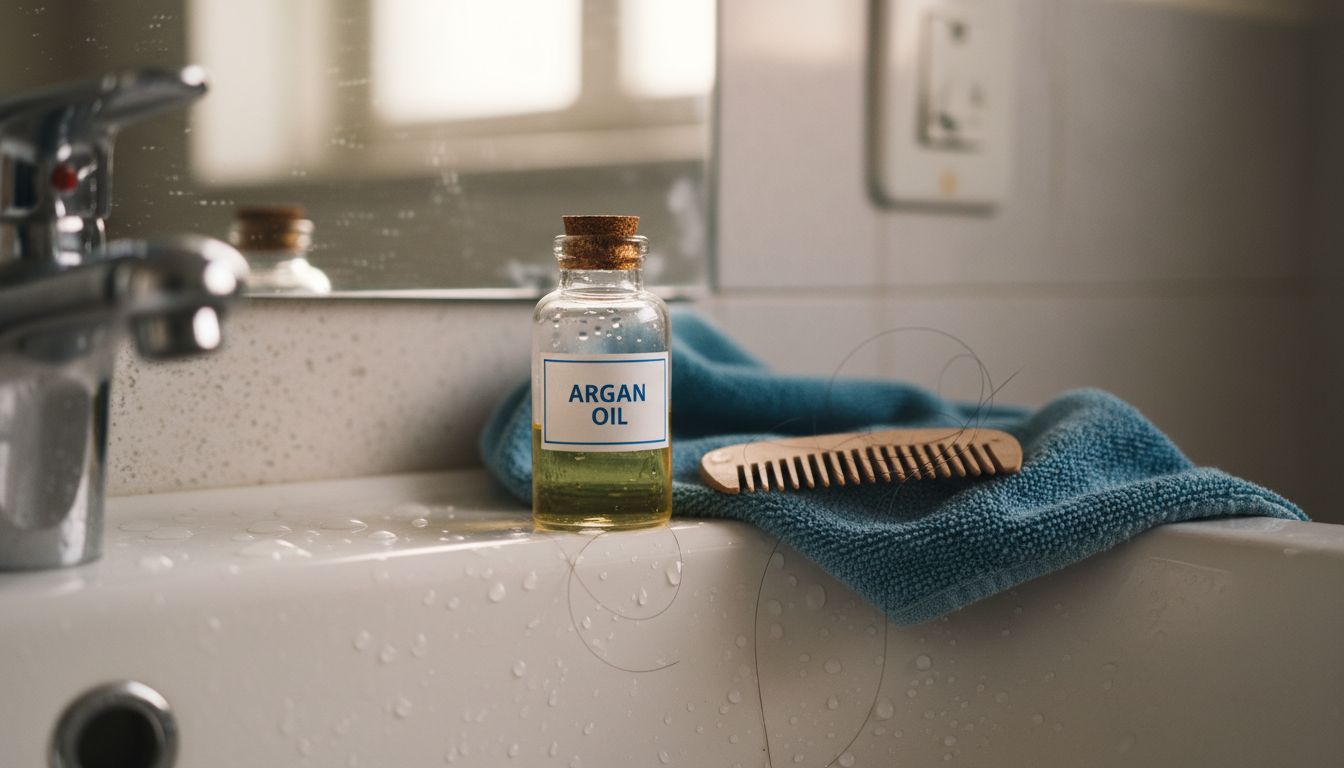
The effectiveness of natural oils varies significantly based on individual hair type and specific requirements. Porosity, hair texture, and existing damage play crucial roles in determining which oil will deliver optimal results. For instance, lightweight oils like grapeseed work brilliantly for fine hair, preventing weight and greasiness, while heavier oils such as castor oil provide intensive repair for thick, damaged hair strands. Some oils excel as pre-wash treatments, others as leave-in conditioners, and a select few can be used as overnight hair masks.
Beyond immediate aesthetic improvements, natural oils offer profound long-term hair health benefits. Oils like rosehip and moringa are packed with nutrients that support scalp health, stimulate hair follicles, and protect against environmental damage. Their molecular structures enable deep penetration, addressing issues at the root level rather than merely providing superficial treatment. By understanding the nuanced properties of different natural oils, individuals can develop sophisticated, personalised hair care rituals that transform hair strength, resilience, and natural radiance.
How Natural Oils Improve Hair Strength and Texture
Natural oils represent a sophisticated approach to hair care, offering transformative solutions that address fundamental hair health challenges at a molecular level. These botanical extracts work beyond superficial treatment, penetrating deep into hair shafts to rebuild, strengthen, and restore structural integrity. Understanding their complex mechanisms reveals how these natural compounds can dramatically improve hair strength and texture.
Herbal hair oils have demonstrated remarkable potential in nourishing hair follicles, providing comprehensive nutritional support that goes far beyond traditional conditioning treatments. The unique molecular structures of natural oils enable them to bind with hair proteins, reducing moisture loss and reinforcing each strand’s structural resilience. Lipid composition, molecular weight, and absorption capacity determine an oil’s effectiveness in repairing damaged hair cuticles and preventing further degradation.
The therapeutic properties of natural oils extend well beyond basic moisturisation. Phytochemicals play a crucial role in enhancing hair strength through their targeted interactions with hair proteins and scalp biology. Different oils offer specialised benefits: coconut oil penetrates deeply to prevent protein loss, argan oil provides antioxidant protection, and jojoba oil mimics natural scalp sebum to balance moisture levels. These oils work synergistically to address multiple hair health dimensions - reducing breakage, improving elasticity, and protecting against environmental damage.
Ultimately, the transformative power of natural oils lies in their ability to restore hair’s innate strength and vitality from within. By supplying essential nutrients, repairing microscopic damage, and creating a protective barrier, these botanical extracts enable hair to resist external stressors and maintain its natural beauty. The key is understanding each oil’s unique properties and selecting treatments tailored to individual hair types and specific concerns, transforming hair care from a superficial routine to a sophisticated, scientifically-informed ritual.
Scalp Health and Hair Growth – The Science Behind Oils
The intricate relationship between scalp health and hair growth represents a sophisticated biological ecosystem where nutrition, environment, and cellular mechanisms converge. Natural oils emerge as powerful interventions, offering more than superficial treatment by addressing fundamental physiological processes that govern hair follicle function and regeneration.
Understanding scalp microbiome dynamics reveals why targeted oil treatments can be transformative. Postpartum hair loss represents a critical period where strategic hair care becomes paramount, highlighting the importance of comprehensive scalp nutrition. Sebum production, follicle stimulation, and cellular regeneration are key mechanisms through which natural oils influence hair growth. Essential oils like rosemary, peppermint, and lavender demonstrate remarkable abilities to improve microcirculation, stimulate hair follicles, and create an optimal environment for robust hair growth.
The molecular interactions between natural oils and scalp biology are remarkably complex. Oils containing high concentrations of linoleic acid, gamma-linolenic acid, and antioxidants can directly influence follicular health by reducing inflammation, balancing hormonal interactions, and protecting against oxidative stress. Different oils target specific scalp conditions: tea tree oil combats fungal imbalances, castor oil stimulates keratin production, and jojoba oil mimics natural sebum to regulate excessive oil production without disrupting the scalp’s delicate microbiome.
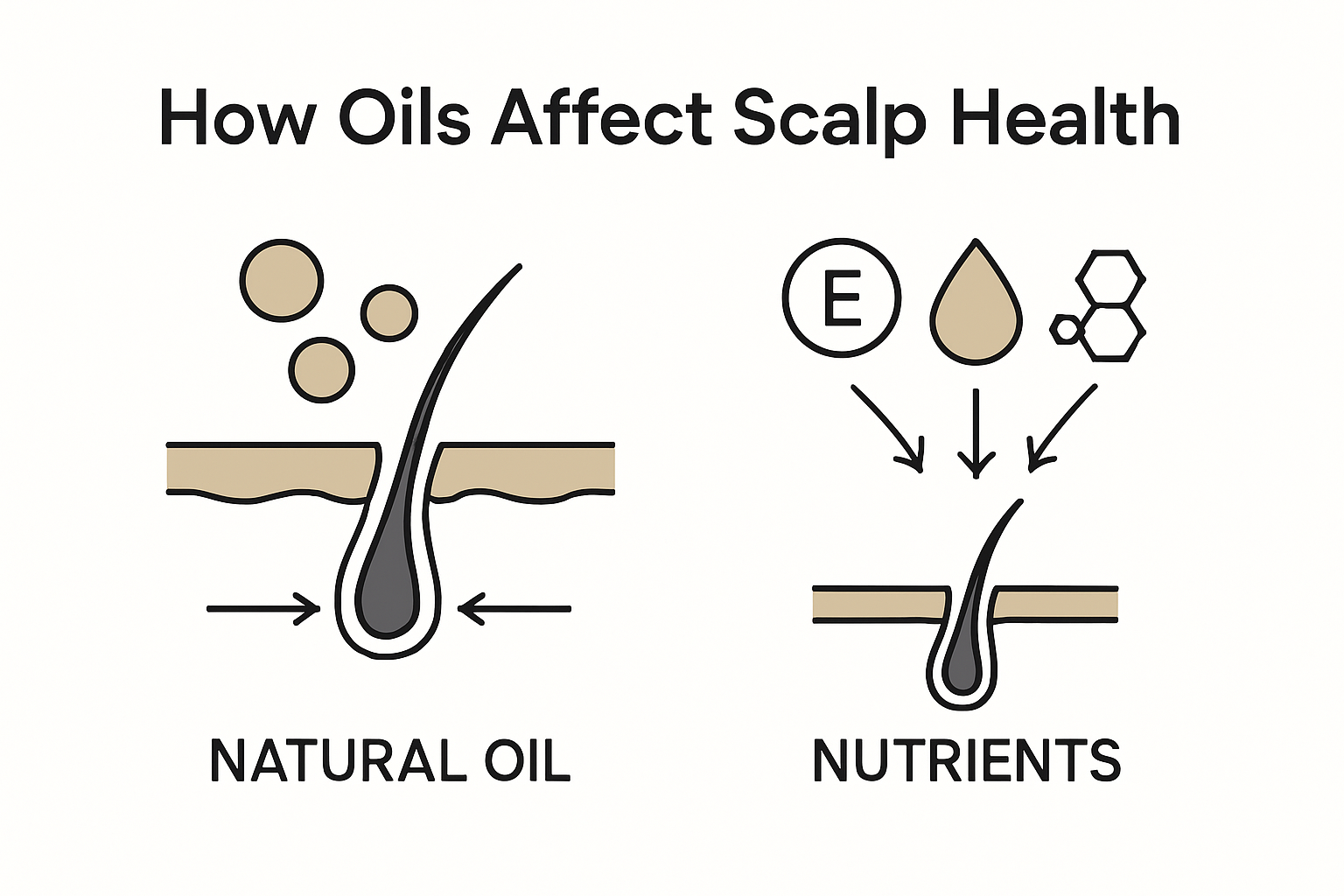
Ultimately, scalp health represents a holistic approach to hair growth that extends beyond topical treatments. Natural oils provide a scientifically sophisticated method of nurturing hair from its root, addressing underlying cellular processes that determine hair quality, strength, and regenerative potential. By understanding the nuanced interactions between botanical compounds and scalp biology, individuals can develop personalised hair care strategies that transform not just appearance, but fundamental hair health.
Mistakes to Avoid When Using Natural Oils
Navigating the world of natural hair oils requires a nuanced understanding that goes beyond simple application techniques. Many individuals approach these botanical treatments with enthusiasm but inadvertently compromise their effectiveness through common misconceptions and incorrect usage strategies. Understanding these potential pitfalls is crucial for maximising the transformative potential of natural oil treatments.
Herbal hair oil formulations demand careful consideration to prevent unintended adverse effects, with several critical mistakes frequently undermining hair health. Overapplication, incorrect oil selection, and improper application techniques represent the most significant challenges. Many consumers mistakenly believe that more oil equates to better results, when in reality, excessive application can lead to product buildup, blocked hair follicles, and reduced natural sebum production. Different hair types require distinctly tailored approaches: fine hair demands lightweight oils applied sparingly, while thicker hair can tolerate more substantial treatments.
Temperature and application method play pivotal roles in natural oil effectiveness that are often overlooked. Applying oils at extremely high temperatures can degrade their molecular structure, reducing nutrient potency and potentially causing hair damage. Equally problematic is the tendency to apply oils directly to dry hair, bypassing the crucial preparation of creating a receptive environment through gentle cleansing and moisture balance. Certain oils, like coconut and castor, require specific application techniques - coconut oil works best as a pre-wash treatment, while jojoba oil functions optimally as a leave-in conditioning agent. Understanding these nuanced interactions prevents potential protein overload and cuticle damage.
Ultimately, the most profound mistake individuals make is treating natural oils as a one-size-fits-all solution. Each hair type possesses unique characteristics requiring personalised approaches. Genetic factors, environmental conditions, existing hair damage, and individual scalp microbiome all influence how different oils interact with hair proteins. By adopting a scientific, methodical approach that considers individual hair needs, consumers can transform potentially ineffective treatments into sophisticated, targeted hair care rituals that genuinely restore and protect hair’s natural vitality.
Unlock the True Potential of Your Hair with Natural Oils and Targeted Care
Struggling with hair that lacks strength and shine? Understanding the unique interaction between natural oils and your hair’s protein structure is key to revitalising its natural beauty. Whether your hair is prone to breakage, dryness, or scalp concerns, a personalised haircare ritual that respects your hair type and porosity can deliver visible transformation. Explore our range of expertly crafted Scalp & Haircare Sets – LUXEVA designed to nourish your hair from root to tip using clean, plant-powered ingredients.

Experience the fusion of nature and science with our premium selections, including sulphate-free options and potent botanical oils tailored to restore hair vitality. Don’t wait to embrace healthier, stronger hair that shines with resilience. Start your transformative journey today at LUXEVASTORE.com and elevate your haircare routine with our exclusive Sulphate Free Shampoo Sets: Elevate Your Haircare Ritual with LUXEVA. Your hair deserves the care that truly understands it.
Frequently Asked Questions
What are the benefits of using natural oils for hair?
Natural oils can improve hair strength, moisture retention, and overall vitality. They deeply penetrate hair shafts, enhance protein structures, and provide essential nutrients that promote long-term hair health.
How should I apply natural oils to my hair for best results?
The application of natural oils depends on hair type. For finer hair, apply lightweight oils sparingly to avoid greasiness. Thicker hair may benefit from heavier oils. Always consider applying oils to damp hair for better absorption and effectiveness.
Can natural oils help with hair growth?
Yes, certain natural oils, such as rosemary and peppermint oil, can stimulate hair follicles and improve microcirculation, potentially promoting hair growth by creating a healthy scalp environment.
Are all natural oils suitable for every hair type?
No, not all natural oils work for every hair type. Factors like porosity, hair texture, and existing damage influence which oils are most effective. Lightweight oils are best for fine hair, while thicker oils suit coarse or damaged hair types.