


Finding truly effective, luxurious hair care that honours both your values and hair’s unique needs can feel like an impossible quest. As more women around the world embrace premium, cruelty-free formulas, understanding the power and potential of natural ingredients becomes essential. With evidence showing that plant-based products are crafted to deliver nourishing, gentle care while avoiding harsh synthetic chemicals, this guide clarifies common misconceptions and helps you discover how natural haircare can revitalise every strand.
Table of Contents
- Understanding Natural Hair Products And Misconceptions
- Types Of Natural Formulations And Key Ingredients
- How Natural Products Revitalise And Protect Hair
- Eco-Friendly, Ethical And Cruelty-Free Benefits
- Risks Of Synthetic Alternatives And Cost Implications
Key Takeaways
| Point | Details |
|---|---|
| Natural Products vs. Synthetic | Natural hair products offer a healthier alternative by using plant-based ingredients, minimising exposure to harmful chemicals found in conventional products. |
| Environmental Impact | Choosing natural hair care supports sustainability, as these products are often biodegradable and cruelty-free, reducing ecological harm. |
| Long-term Health Benefits | Natural formulations are linked to fewer health risks compared to synthetic alternatives, which may pose dangers such as endocrine disruption and respiratory issues. |
| Product Transparency | Always review ingredient lists to ensure compatibility with your hair needs and to avoid potentially harmful substances commonly found in synthetic products. |
Understanding Natural Hair Products and Misconceptions
Natural hair products represent a transformative approach to hair care, challenging decades of synthetic chemical dependency. As consumer awareness grows, understanding the nuanced landscape of natural hair treatments becomes crucial. Comprehensive research on organic hair products reveals a complex ecosystem of ingredients, benefits, and potential misconceptions.
The core distinction between conventional and natural hair products lies in their fundamental ingredient philosophy. Traditional hair care often relies on synthetic chemicals like sulfates and parabens, which can strip hair of natural oils and potentially cause long-term damage. Natural products, by contrast, harness plant-based ingredients designed to work harmoniously with hair’s biological structure.
Key differences between natural and synthetic hair products include:
- Ingredient Transparency: Natural products typically list recognisable botanical components
- Gentler Formulations: Reduced harsh chemical interactions with hair and scalp
- Environmentally Conscious: Lower ecological impact during production and disposal
- Nutrient-Rich Compositions: Inherent vitamins and minerals from plant extracts
Misconceptions about natural hair products persist, often stemming from limited understanding of their complex formulations. Many consumers assume natural means less effective, when scientific evidence suggests precisely the opposite. Global research on hair care innovations demonstrates that carefully crafted natural products can deliver superior hair health outcomes.
Pro tip: Always review ingredient lists and understand your specific hair type before selecting a natural hair product to ensure optimal results and compatibility.
Types of Natural Formulations and Key Ingredients
Natural hair care formulations represent a sophisticated approach to hair health, drawing upon centuries of botanical wisdom and modern scientific understanding. Comprehensive herbal hair product research reveals a diverse ecosystem of ingredients designed to nourish, protect, and revitalise hair naturally.
The landscape of natural hair products encompasses multiple formulation types, each targeting specific hair needs and concerns. These include:
- Hair Oils: Deeply penetrating treatments using botanical extracts
- Herbal Shampoos: Cleansing products with plant-based surfactants
- Leave-in Serums: Lightweight nutrient-rich treatments
- Hair Masks: Intensive conditioning formulations
- Natural Hair Dyes: Colour treatments using plant pigments
Key natural ingredients play pivotal roles in these formulations. Detailed herbal ingredient analysis highlights several powerhouse botanicals:
- Coconut Oil: Provides deep moisture and protein protection
- Hibiscus: Supports hair growth and prevents premature greying
- Amla: Rich in antioxidants, strengthens hair follicles
- Neem: Addresses scalp health and reduces dandruff
- Henna: Natural conditioning and colouring agent
These natural ingredients offer multifaceted benefits, addressing hair concerns holistically while minimising exposure to synthetic chemicals. Their complex compositions provide nutrient-rich alternatives to conventional hair care products, supporting both individual hair health and environmental sustainability.
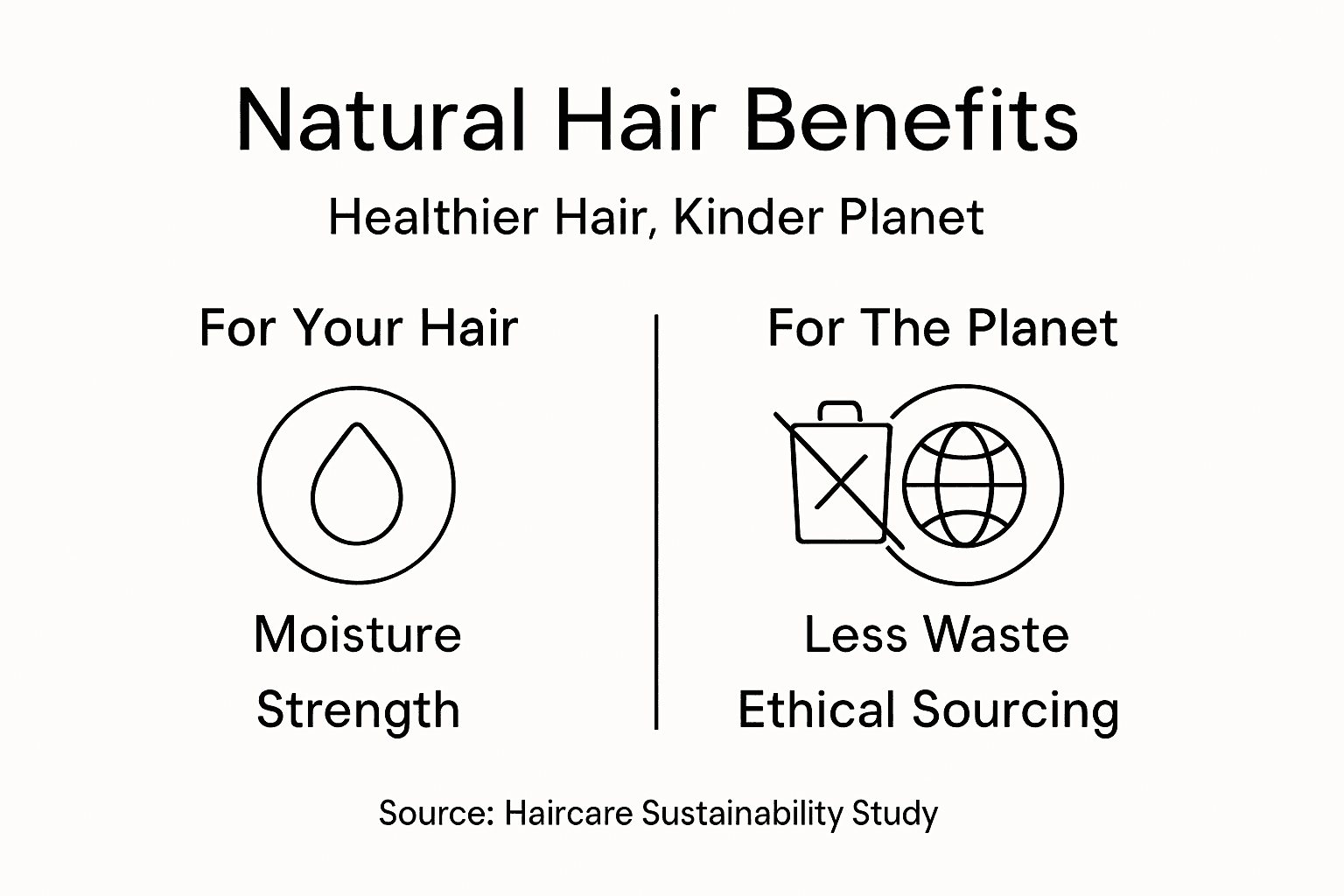
Pro tip: Rotate different natural formulations to prevent product build-up and discover which botanical combinations work best for your unique hair type.
Here’s a concise overview of common natural hair care formulations and their main purposes:
| Formulation Type | Primary Purpose | Typical Key Ingredient |
|---|---|---|
| Hair Oil | Deep nourishment | Coconut oil |
| Herbal Shampoo | Gentle cleansing | Hibiscus |
| Leave-in Serum | Lightweight hydration | Amla |
| Hair Mask | Intensive conditioning | Neem |
| Natural Dye | Plant-based colouring | Henna |
How Natural Products Revitalise and Protect Hair
Natural hair products represent a sophisticated approach to hair health, offering comprehensive protection and rejuvenation beyond conventional synthetic treatments. Advanced botanical hair molecule research reveals intricate mechanisms by which plant-derived ingredients actively nourish and strengthen hair from root to tip.
The protective capabilities of natural hair products stem from their complex phytochemical compositions, which work synergistically to address multiple hair health challenges:
- Follicle Stimulation: Activating cellular regeneration processes
- Nutrient Delivery: Providing essential vitamins and minerals
- Environmental Defence: Shielding hair from oxidative stress
- Moisture Retention: Preventing dehydration and brittleness
- Scalp Health: Supporting balanced microbiome conditions
Comprehensive natural ingredient analysis demonstrates how specific phytochemicals interact with hair structures to promote long-term vitality. Key botanical molecules like epigallocatechin-3-gallate, quercitrin, and caffeine actively stimulate hair growth by:
- Extending hair growth phases
- Increasing follicular cell proliferation
- Protecting against cellular damage
- Improving scalp microcirculation
- Reducing inflammation
These natural mechanisms provide a holistic approach to hair care, addressing underlying health factors rather than merely providing superficial treatment. By supporting the hair’s intrinsic regenerative processes, natural products offer a sustainable path to vibrant, resilient hair.

Pro tip: Choose natural hair products with transparent ingredient lists and focus on formulations that match your specific hair type and concerns.
Eco-Friendly, Ethical and Cruelty-Free Benefits
Comprehensive sustainable haircare research reveals that choosing natural hair products extends far beyond personal hair health, representing a powerful commitment to environmental responsibility and ethical consumption. These products embody a holistic approach that considers ecological impact, animal welfare, and human health simultaneously.
The environmental benefits of eco-friendly hair care products are multifaceted and profound:
- Biodegradable Ingredients: Minimising long-term environmental pollution
- Sustainable Packaging: Reducing plastic waste and carbon footprint
- Chemical-Free Formulations: Protecting aquatic and terrestrial ecosystems
- Ethical Sourcing: Supporting fair trade and responsible supply chains
- Zero Animal Testing: Promoting compassionate product development
Key ethical considerations that distinguish these products include:
- Avoiding harmful chemicals like sulfates and parabens
- Using plant-based, natural ingredient sourcing
- Supporting transparent manufacturing processes
- Prioritising recyclable and minimal packaging
- Investing in fair compensation for ingredient producers
Sustainable haircare brand analysis demonstrates that consumers who choose these products actively participate in a broader movement of environmental stewardship. By selecting natural hair care, individuals contribute to reducing global pollution, supporting ethical business practices, and promoting a more sustainable future.
Pro tip: Research brands that provide detailed sustainability reports and transparently communicate their environmental and ethical commitments before making your purchasing decisions.
Risks of Synthetic Alternatives and Cost Implications
Scientific analysis of hair product health risks reveals the alarming potential dangers associated with synthetic hair care products. These chemical-laden formulations pose significant long-term health risks that extend far beyond surface-level hair treatment, potentially impacting overall physiological well-being.
The primary health risks associated with synthetic hair care products include:
- Endocrine Disruption: Chemicals interfering with hormonal balance
- Carcinogenic Potential: Increased cancer risk from repeated exposure
- Respiratory Complications: Potential lung and breathing system damage
- Skin Sensitivity: Heightened allergic reactions and dermatological issues
- Reproductive Health Risks: Potential fertility and developmental challenges
Key synthetic chemicals of significant concern encompass:
- Parabens
- Phthalates
- Formaldehyde-releasing agents
- Synthetic fragrances
- Petroleum-based ingredients
Comprehensive chemical exposure research demonstrates that vulnerable populations face disproportionate risks from these synthetic ingredients. While natural alternatives might initially seem more expensive, the potential long-term health costs associated with synthetic products far outweigh their immediate affordability.
For clarity, here is a summary of the main health and environmental impacts of natural versus synthetic hair products:
| Aspect | Natural Products | Synthetic Products |
|---|---|---|
| Long-term Safety | Minimal health concerns | Potential endocrine risks |
| Environmental Footprint | Biodegradable ingredients | Persistence of chemicals |
| Allergen Potential | Lower, if formulated well | Higher with fragrances |
| Ethical Production | Commonly cruelty-free | Animal testing possible |
Pro tip: Conduct a personal ingredient audit of your current hair products, prioritising those with minimal synthetic chemicals and transparent ingredient lists.
Embrace Healthier Hair and a Kinder Planet with Natural Choices
If you are seeking to revitalise your hair using gentle, scientifically backed ingredients free from harmful sulfates and parabens explore Sulphate Free Shampoo Sets: Elevate Your Haircare Ritual with LUXEVA. These thoughtfully curated collections harness plant-powered nourishment to support scalp health, moisture retention, and long-term vitality as described in the article.

Discover the benefits of natural formulations with powerful botanicals like argan oil and biotin through our Top Hair Growth Oils & Sprays: Conditioners, Detanglers, Protectants – LUXEVA sets designed for targeted care that respects both your hair and the environment. Ready to make the switch towards ethical, cruelty-free haircare that combines nature with science? Visit LUXEVASTORE.com today and begin your journey to healthier hair and a more sustainable planet. Act now to take advantage of exclusive offers and elevate your haircare ritual.
Frequently Asked Questions
What are the main benefits of using natural hair products?
Natural hair products offer numerous benefits, including gentler formulations that minimise harsh chemical interactions, nutrient-rich compositions that nourish hair, increased ingredient transparency, and a lower environmental impact.
How do natural hair products compare to synthetic ones in terms of safety?
Natural hair products typically pose minimal health concerns, while synthetic products may contain harmful chemicals that can disrupt hormonal balance and cause allergic reactions. Opting for natural formulations can reduce exposure to these risks.
What are some key ingredients commonly found in natural hair products?
Popular natural ingredients include coconut oil for moisture, hibiscus for hair growth support, amla for strengthening, neem for scalp health, and henna for conditioning and colouring. These ingredients provide holistic benefits without synthetic additives.
How can I choose the right natural hair product for my hair type?
To select the right natural hair product, assess your specific hair needs and concerns. Review ingredient lists, understand how different botanicals interact with hair structures, and consider rotating products to find the combination that works best for your hair type.