


Choosing the right shampoo can often feel confusing when every label claims to be gentle and nourishing. For women seeking healthier hair and a revitalised scalp, understanding the reality of sulfates matters. These powerful detergents, like Sodium Lauryl Sulfate and Sodium Laureth Sulfate, are known to strip away natural oils, triggering dryness and irritation for those with sensitive skin. This guide breaks down sulfates in shampoo so you can make informed, cruelty-free choices that put your hair’s wellbeing first.
Table of Contents
- What Are Sulfates in Shampoo? Key Facts
- How Sulfates Affect Hair and Scalp Health
- Impacts on Coloured, Curly, and Treated Hair
- Sensitive Scalps: Risks and Allergic Reactions
- Sulfate-Free Alternatives and Their Benefits
- Making the Switch: What to Expect and Tips
Key Takeaways
| Point | Details |
|---|---|
| Understanding Sulfates | Sulfates are powerful cleansing agents commonly found in shampoos, primarily Sodium Lauryl Sulfate (SLS) and Sodium Laureth Sulfate (SLES). They effectively remove dirt and oil but may disrupt natural moisture balance and irritate sensitive skin. |
| Impact on Hair Types | Sulfates can cause colour fading in coloured hair, increase frizz in curly hair, and weaken chemically treated hair. Individuals with damaged or sensitive scalps should be particularly cautious. |
| Sulfate-Free Alternatives | Transitioning to sulfate-free shampoos can support long-term hair health by preserving natural moisture and minimising irritation. Gentle surfactants such as amino acid-based and plant-derived options are recommended. |
| Adjusting to Change | The transition to sulfate-free products may initially result in less foaming and a different hair texture. Allowing time for adjustment and using moisturising techniques can help improve hair health over time. |
What Are Sulfates in Shampoo? Key Facts
Sulfates are synthetic chemical compounds commonly used in personal care products as powerful cleansing and foaming agents. These detergents, primarily Sodium Lauryl Sulfate (SLS) and Sodium Laureth Sulfate (SLES), create the rich, bubbly lather we’ve come to expect from our favourite shampoos.
The primary function of sulfates is straightforward: they help remove dirt, oil, and product buildup from hair and scalp. Chemical cleansing mechanisms in hair products reveal how these compounds break down sebum and environmental debris, allowing them to be easily rinsed away.
However, sulfates aren’t without potential drawbacks. Here are key characteristics of sulfates in shampoo:
- Powerful detergent agents that strip away dirt and oils
- Create significant foaming action during washing
- Derived from petroleum and palm oil sources
- Can potentially disrupt natural hair and scalp moisture balance
- May cause irritation for individuals with sensitive skin
The Cosmetic Ingredient Review Expert Panel has assessed these compounds and determined they are generally safe in rinse-off formulations. Nonetheless, some individuals experience skin sensitivity, dryness, or allergic reactions when exposed to sulfate-based products.
Here’s how popular shampoo surfactants compare in terms of cleansing, foaming, and skin impact:
| Surfactant Type | Cleansing Strength | Foaming Action | Skin Sensitivity Risk |
|---|---|---|---|
| Sodium Lauryl Sulfate | Very strong | High | High (often irritates) |
| Sodium Laureth Sulfate | Strong | High | Moderate (can irritate) |
| Decyl Glucoside | Mild | Low | Low (gentle for skin) |
| Cocamidopropyl Betaine | Moderate | Moderate | Low (generally safe) |
| Amino Acid-based | Mild | Low | Minimal (very gentle) |
Pro tip: If you have sensitive skin or frequently experience scalp irritation, consider performing a patch test before using sulfate-containing shampoos to assess your individual reaction.
How Sulfates Affect Hair and Scalp Health
Sulfates can have significant and complex impacts on both hair and scalp health, often causing more damage than many people realise. Scalp moisture disruption mechanisms reveal how these harsh chemical compounds systematically strip away natural protective barriers, leaving hair vulnerable to damage and irritation.
The primary concern with sulfates is their aggressive cleansing action, which goes beyond simple dirt removal. These detergents work by breaking down natural sebum production, effectively removing essential oils that protect and nourish hair follicles and scalp skin. This process can trigger multiple negative reactions:
- Increased scalp dryness and flaking
- Potential enhancement of skin sensitivity
- Disruption of natural hair moisture balance
- Potential exacerbation of existing scalp conditions
- Higher risk of irritation for sensitive skin types
Scalp microbiome balance is particularly vulnerable to sulfate-based products. Hair and scalp hygiene research demonstrates that overuse of harsh cleansing agents can compromise the natural protective mechanisms of skin, potentially increasing susceptibility to infections and inflammatory responses.
Individuals with conditions like eczema, dermatitis, or naturally dry hair are especially at risk from sulfate-based shampoos. The continuous removal of natural oils can create a cycle of increasing scalp irritation and hair damage, forcing the scalp to overcompensate by producing more sebum.
Pro tip: Consider alternating between sulfate-containing and sulfate-free shampoos to minimise potential scalp and hair damage while maintaining cleanliness.
Impacts on Coloured, Curly, and Treated Hair
Coloured, curly, and chemically treated hair requires significantly more delicate care than standard hair types, making sulfate selection critically important. Sulfate impact on hair treatments reveals how these harsh detergents can systematically compromise the integrity of specialised hair processes.
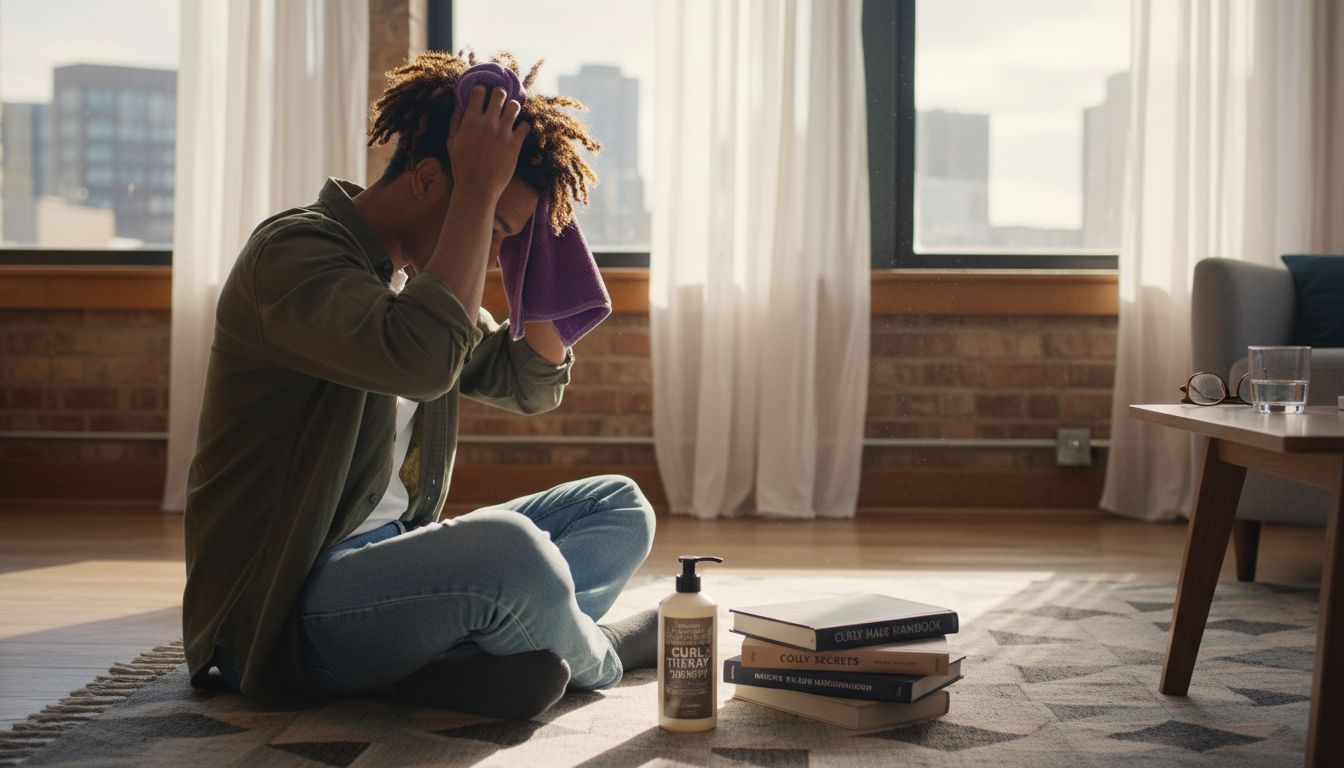
For individuals with coloured hair, sulfates pose a particular challenge. These aggressive cleansing agents rapidly strip away carefully applied hair dye molecules, causing premature colour fading and reducing the longevity of expensive salon treatments. The molecular structure of sulfates means they break down both artificial and natural pigments, leaving hair looking dull and washed out.
Specifically for different hair types, sulfates create unique challenges:
- Coloured Hair: Accelerates colour breakdown
- Curly Hair: Increases frizz and reduces natural curl definition
- Chemically Treated Hair: Weakens structural protein bonds
- Damaged Hair: Further increases porosity and moisture loss
- Sensitive Scalp: Heightens potential for irritation
Curly and textured hair types are particularly vulnerable to sulfate damage. These hair structures require natural oils to maintain definition, moisture, and overall health. Cosmetic ingredient safety research indicates that while sulfates are generally considered safe, they can cause significant sensitisation and structural damage to more delicate hair types.
People with chemically treated hair face additional risks, as sulfates can compromise the intricate chemical processes used to create permanent waves, straightening, or other structural modifications. The continuous use of sulfate-based products can essentially unravel these carefully constructed treatments.
Pro tip: Invest in a microfibre towel and gently squeeze - never rub - your coloured or treated hair to minimise additional damage and preserve your hair treatment.
For reference, here is a summary of how different hair types respond to sulfates and alternative cleansers:
| Hair Type | Sulfate Impact | Sulfate-Free Benefit |
|---|---|---|
| Coloured | Causes colour fading | Maintains vibrant hues |
| Curly | Increases frizz | Enhances curl definition |
| Chemically Treated | Weakens structure | Preserves treatments |
| Sensitive Scalp | Triggers irritation | Supports scalp comfort |
Sensitive Scalps: Risks and Allergic Reactions
Sensitive scalp syndrome represents a complex dermatological challenge affecting millions of individuals, with sulfate-based hair products frequently serving as primary irritants. Sensitive scalp research findings reveal that these harsh chemical compounds can trigger significant inflammatory responses and uncomfortable physiological reactions.
The primary symptoms of scalp sensitivity manifest through a range of unpleasant sensations, including:
- Persistent itching and burning
- Unexpected tingling sensations
- Redness and inflammation
- Localised skin irritation
- Increased scalp tenderness
- Potential development of contact dermatitis
People with sensitive scalps experience profound discomfort when exposed to sulfate-containing products. These aggressive detergents break down natural protective barriers, causing microscopic damage that heightens skin reactivity. Allergic contact dermatitis mechanisms demonstrate how repeated exposure can lead to cumulative sensitisation, where the immune system becomes progressively more reactive to specific chemical triggers.
Allergic reactions to sulfates can range from mild irritation to severe inflammatory responses. Individuals with pre-existing skin conditions like eczema or rosacea are particularly vulnerable, as their compromised skin barriers are more susceptible to chemical irritation. The molecular structure of sulfates can penetrate and disrupt the delicate equilibrium of the scalp’s microbiome, creating a cascade of inflammatory responses.
Pro tip: Conduct a 24-hour patch test with new hair products on a small skin area to assess potential allergic reactions before full application.
Sulfate-Free Alternatives and Their Benefits
Gentle surfactant technologies represent a revolutionary approach to hair cleansing, offering sophisticated alternatives to traditional sulfate-based products. Sulfate-free cleansing innovations demonstrate how modern personal care science has developed remarkable solutions that effectively clean hair without compromising scalp health.
The primary sulfate-free alternatives include:
- Amino acid-based surfactants: Derived from natural protein components
- Glucamides: Mild, plant-derived cleansing agents
- Cocamidopropyl betaine: Natural coconut-based surfactant
- Decyl glucoside: Gentle, non-ionic surfactant
- Coco-glucoside: Biodegradable plant-based cleanser
These alternative surfactants offer multiple significant advantages over traditional sulfate formulations. Novel surfactant platforms provide enhanced performance with reduced environmental impact, addressing both personal care efficacy and sustainability concerns. Their molecular structures enable effective cleansing while maintaining the natural protective barriers of hair and scalp.
The benefits of sulfate-free alternatives extend beyond simple hair washing. These advanced formulations support long-term hair health by preserving natural moisture, reducing protein degradation, and minimising potential allergic reactions. They represent a holistic approach to hair care that considers both immediate cleansing requirements and long-term hair and scalp wellness.
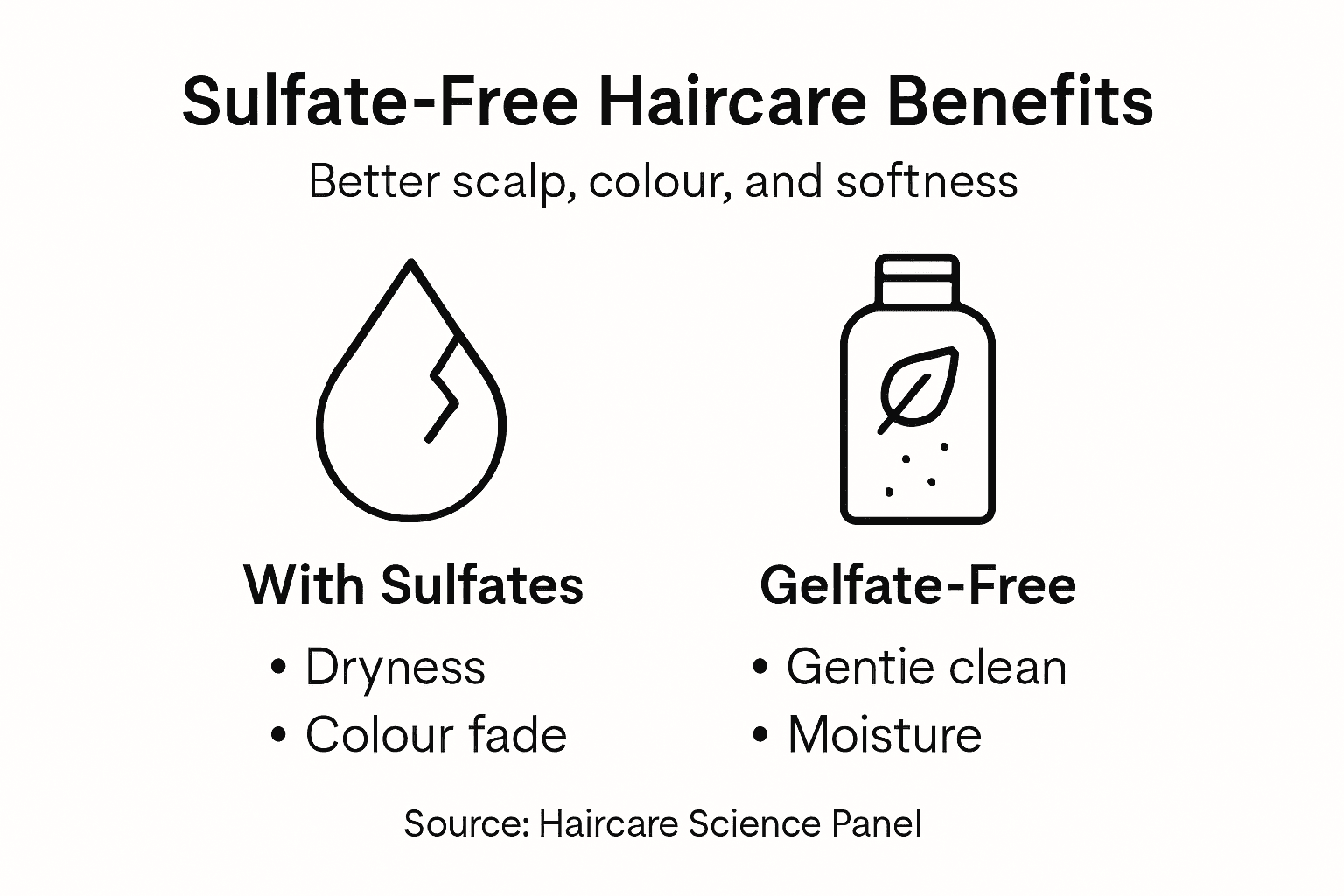
Pro tip: When transitioning to sulfate-free products, allow your hair a two-week adjustment period to rebalance natural oil production and observe optimal results.
Making the Switch: What to Expect and Tips
Transitioning to sulfate-free shampoo represents a significant change in hair care routine that requires patience and understanding. Sulfate-free shampoo transition dynamics reveal a complex adaptation process where hair and scalp gradually recalibrate to gentler cleansing mechanisms.
During the initial transition period, expect the following changes:
- Reduced foaming action during washing
- Potential temporary increase in hair oiliness
- Less immediate ‘squeaky clean’ sensation
- Hair might feel different in texture
- Gradual improvement in overall hair health
- Potential initial scalp adjustment period
The first few weeks require strategic management. Natural hair care transition strategies recommend supplementing your routine with additional moisturising techniques to support your hair’s adaptation. This might involve using leave-in conditioners, avoiding excessive heat styling, and being extraordinarily gentle during hair manipulation.
Consistent application is key to successful transition. Your scalp’s natural oil production will gradually normalise, leading to improved hair texture, reduced breakage, and enhanced moisture retention. Remember that individual experiences vary, and what works for one person might require slight modification for another.
Pro tip: Keep a hair journal during your transition to track changes and identify the most effective sulfate-free products for your unique hair type.
Discover Gentle, Science-Backed Haircare That Respects Your Scalp
The article highlights how traditional sulfate shampoos can strip natural oils, cause irritation, and damage sensitive, coloured, or treated hair. Many readers are seeking solutions that protect their scalp moisture balance and preserve hair vitality without compromising cleanliness. If you experience scalp dryness, itching, or colour fading caused by harsh detergents like Sodium Lauryl Sulfate, it is time to explore alternatives that honour both hair health and your wellness.

At LUXEVASTORE.com, we specialise in premium, sulphate-free hair treatments crafted to nourish and restore natural hair strength. Our carefully curated collection blends plant-powered ingredients such as argan oil and biotin with scientifically proven formulas gentle enough for sensitive scalps yet effective against buildup. Explore our exclusive sets and rituals designed for natural hair revival and radiant beauty. Start your journey towards healthier hair today by visiting our main website and discover the perfect balance of nature and science.
Experience the difference for yourself. Protect your scalp, preserve your colour, and indulge in luxurious, cruelty-free care. Embrace a new haircare ritual with LUXEVASTORE.com now.
Frequently Asked Questions
What are the main concerns about using sulfates in shampoo?
Sulfates are powerful cleaning agents that can strip natural oils from hair and scalp, leading to issues like dryness, irritation, and disrupting the natural moisture balance. This can worsen conditions for individuals with sensitive skin or specific scalp issues.
How do sulfates affect coloured and treated hair?
Sulfates can accelerate colour fading in coloured hair and weaken the structural integrity of chemically treated hair, compromising salon treatments and overall hair health. This can lead to dull appearance and increased frizz in various hair types.
What are the signs that I may be sensitive to sulfates in my shampoo?
Signs of sulfate sensitivity include persistent itching, redness, inflammation, and increased scalp tenderness. People with existing scalp conditions, like eczema or dermatitis, are particularly at risk of experiencing these symptoms.
What are some effective sulfate-free alternatives to consider for hair care?
Effective sulfate-free alternatives include amino acid-based surfactants, glucamides, and cocamidopropyl betaine. These gentler surfactants maintain cleansing efficacy without compromising the health of the hair or scalp.