


Dry, damaged hair leaves you battling brittleness, split ends, and lifeless strands that refuse to cooperate. Whether it’s relentless heat styling, harsh chemical treatments, or environmental assault, your hair bears the brunt of daily stressors. This guide reveals premium, cruelty-free solutions combining natural ingredients with scientifically-backed treatments to reverse damage and restore vibrant, healthy hair. You’ll discover practical repair strategies, expert techniques, and powerful botanical remedies that deliver real results without compromising ethics or effectiveness.
Table of Contents
- Understanding The Causes Of Dry And Damaged Hair
- Preparing For Effective Hair Repair: What You Need
- Step-By-Step Guide To Restoring Dry And Damaged Hair
- Maintaining And Verifying Hair Health After Repair
- Discover Cruelty-Free Haircare Solutions At LUXEVA
- FAQ
Key takeaways
| Point | Details |
|---|---|
| Damage origins | Mechanical stress, chemical treatments, and UV exposure progressively weaken hair structure and cuticle integrity. |
| Natural repair power | Fermented grapeseed oil and fenugreek extracts offer scientifically validated cortex repair and strengthening benefits. |
| Sealing matters | Lasting moisture requires sealing treatments that lock hydration into the hair shaft, not just temporary hydrating products. |
| Gentle handling | Reducing mechanical damage through proper combing and styling techniques preserves cuticle layers and prevents breakage. |
| Consistent routine | Weekly deep conditioning with heat activation supports sustained moisture retention and visible repair progress. |
Understanding the causes of dry and damaged hair
Hair weathering describes progressive deterioration affecting the hair shaft, gradually eroding structural components and increasing breakage susceptibility. This process begins at the cuticle, where protective overlapping scales lift and fracture, exposing the vulnerable cortex beneath. As damage advances, the cortex itself suffers protein loss and structural compromise, leaving hair weak and prone to splitting.
Mechanical damage ranks as the primary culprit behind hair weathering. Every time you comb, brush, or tie your hair, friction physically removes cuticle layers. Aggressive towel drying, tight hairstyles, and rough handling compound this effect. The cumulative impact creates a roughened surface that tangles easily and reflects light poorly, producing that characteristic dull appearance.
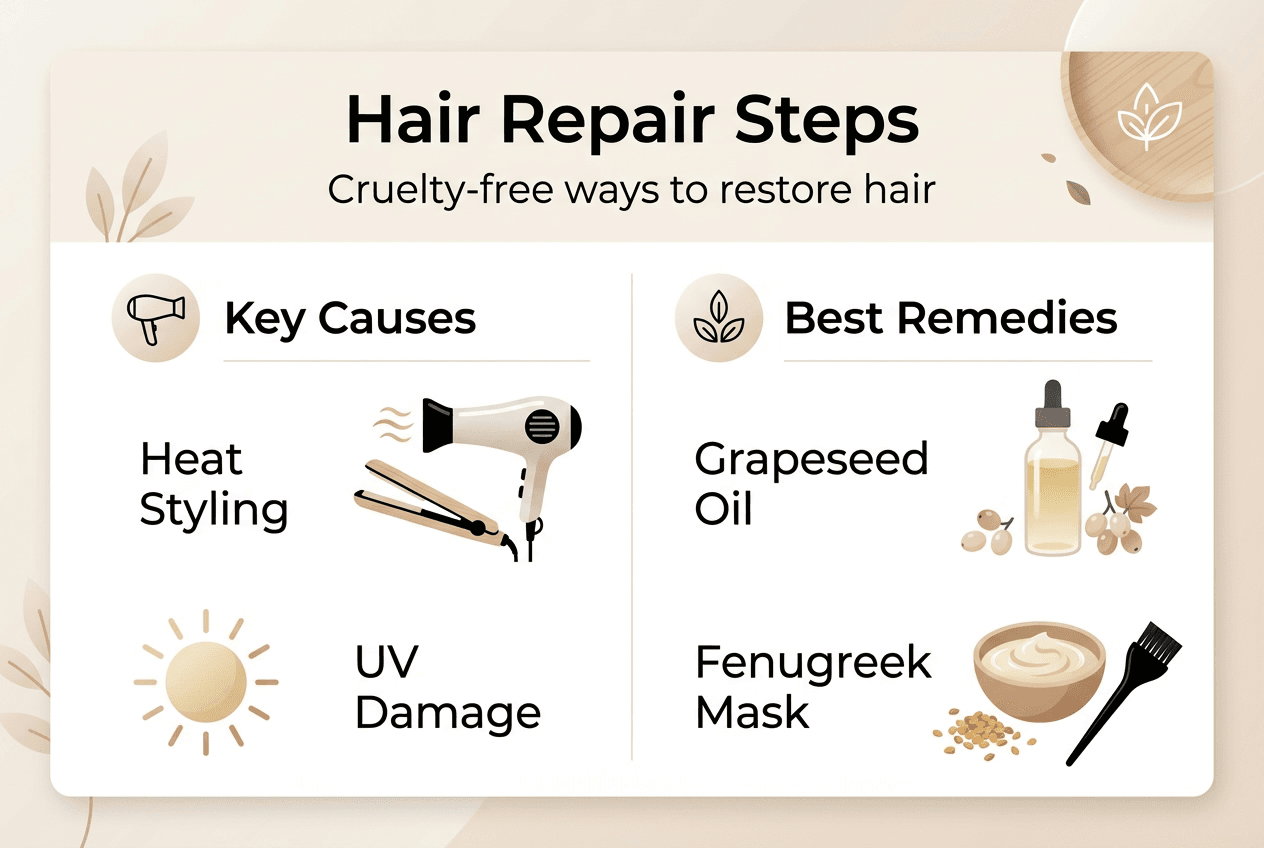
UV radiation attacks hair through dual mechanisms. UVB radiation cleaves protein bonds, particularly disulfide bridges that provide structural strength, whilst UVA radiation oxidises pigment molecules, causing colour fading and brassiness. Both wavelengths accelerate weathering, especially in unprotected hair exposed to prolonged sunlight.
Distinguishing between dry and dehydrated hair proves crucial for targeted treatment. Dry hair suffers from sebum deficiency, where inadequate oil production leaves the cuticle rough and prone to split ends. Dehydrated hair lacks water content, often feeling brittle despite adequate oil levels. Many women experience both conditions simultaneously, requiring comprehensive repair approaches.
Common damage contributors include:
- Chemical relaxers and permanent colouring treatments that alter keratin structure
- Heat styling tools exceeding 180°C without protective products
- Environmental stressors like wind, pollution, and hard water minerals
- Inadequate protein and moisture balance in hair care routines
- Chlorine and salt water exposure during swimming
Mechanical damage represents the most frequent contributor to hair weathering, surpassing chemical and environmental factors in prevalence.
Genetic factors and lifestyle choices influence weathering severity dramatically. Some women naturally produce less sebum, whilst others possess thinner cuticle layers that damage more easily. Your daily habits, from diet quality to styling frequency, determine how quickly damage accumulates and how effectively your hair responds to repair efforts. Understanding your specific damage profile enables you to select the most effective natural repair methods and prevent recurring breakage.
Preparing for effective hair repair: what you need
Successful hair restoration begins with gathering quality ingredients and tools before starting treatment. Your repair arsenal should include sulphate-free shampoo, silicone-free conditioner, fermented grapeseed oil, fenugreek extract products, deep conditioning masks, and a heat cap or warm towel for treatment activation. Wide-toothed combs, microfibre towels, and UV protection sprays complete the essential toolkit.
Fermented grapeseed oil stands out amongst natural repair ingredients due to enhanced permeability mechanisms that allow active compounds to penetrate the cortex effectively. Fermentation breaks down molecular structures, creating smaller particles that traverse cuticle barriers and deliver reparative benefits directly to damaged protein matrices. This scientifically validated ingredient repairs chemically compromised hair whilst maintaining cruelty-free and natural product standards.
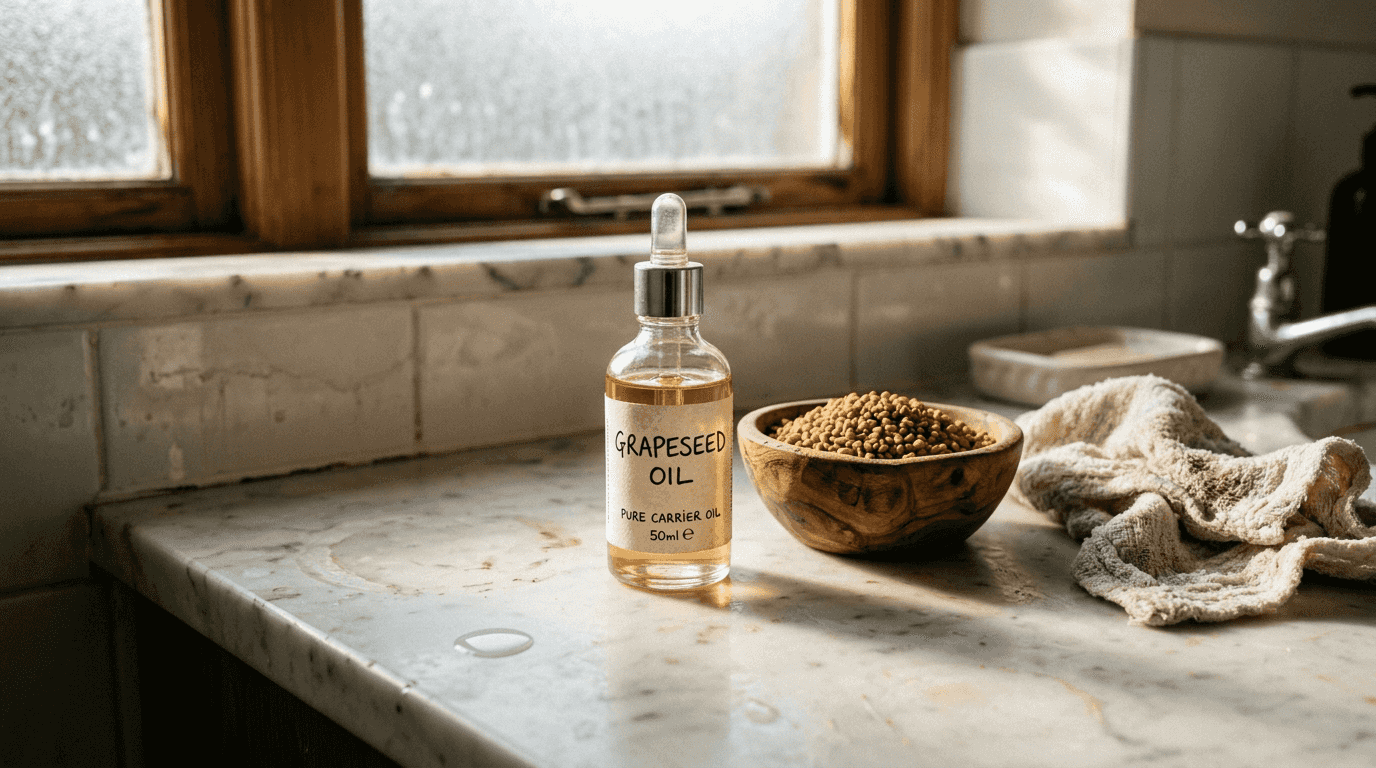
Fenugreek extracts provide complementary strengthening benefits through protein-rich compounds and mucilage content that coats and protects hair shafts. Research emphasises standardised extracts and robust clinical validation for fenugreek’s cosmetic potential, supporting its use in premium hair care formulations. The botanical’s nourishing properties address multiple damage aspects simultaneously, from moisture retention to structural reinforcement.
| Ingredient Type | Key Benefits | Scientific Support | Cruelty-Free Status |
|---|---|---|---|
| Fermented grapeseed oil | Cortex repair, enhanced permeability | Clinical studies confirm efficacy | Certified plant-based |
| Fenugreek extracts | Protein strengthening, moisture coating | Validated cosmetic potential | Botanical source |
| Conventional silicones | Temporary smoothing, shine enhancement | Limited repair evidence | Synthetic compound |
| Chemical keratin treatments | Immediate structural reinforcement | Effective but damaging long-term | Often animal-derived |
Before applying treatments, ensure hair is freshly cleansed but not stripped. Avoid heat styling for 48 hours prior to intensive repair sessions, allowing hair to rest in its natural state. This preparation maximises treatment absorption and prevents additional stress during the restoration process.
Essential equipment and products:
- Wide-toothed wooden or seamless plastic comb for detangling
- Microfibre towel or cotton t-shirt for gentle water absorption
- Heat cap or thermal wrap for treatment activation
- Applicator bottles for precise oil and mask distribution
- Satin or silk pillowcase to reduce overnight friction
Pro Tip: Select products bearing Leaping Bunny or PETA certification to guarantee genuine cruelty-free status, as many brands claim ethical practices without third-party verification.
Gathering these components before beginning your scientifically proven repair journey ensures consistency and effectiveness. Quality ingredients make measurable differences in outcomes, particularly when addressing severe damage. Investing in premium, ethically sourced treatments pays dividends through faster recovery and longer-lasting results compared to conventional alternatives that merely mask damage temporarily. Your preparation phase sets the foundation for successful hair revival and sustainable health maintenance.
Step-by-step guide to restoring dry and damaged hair
Implementing a structured repair routine transforms damaged hair systematically. Follow this detailed protocol for optimal restoration results:
-
Gentle cleansing: Use sulphate-free shampoo focusing on scalp only, allowing runoff to cleanse lengths without stripping natural oils. Massage scalp gently for 60 seconds to stimulate circulation without creating friction on hair shafts.
-
Initial conditioning: Apply silicone-free conditioner from mid-lengths to ends, avoiding roots. Leave for 3 minutes whilst gently detangling with fingers or wide-toothed comb, working from tips upward to minimise breakage.
-
Fermented grapeseed oil treatment: On towel-dried hair, distribute 2-3 tablespoons of fermented grapeseed oil through lengths and ends. The enhanced permeability allows deep cortex penetration for structural repair.
-
Fenugreek mask application: Layer fenugreek-enriched mask over the oil treatment, focusing on severely damaged areas. This combination addresses both protein loss and moisture deficiency simultaneously.
-
Heat activation: Cover hair with a heat cap or warm towel for 30-45 minutes. Maintain temperature between 40-50°C to open cuticles without causing thermal damage, optimising ingredient absorption.
-
Thorough rinsing: Remove treatments with lukewarm water, gradually cooling to seal cuticles. Ensure complete product removal to prevent buildup whilst retaining beneficial compounds absorbed into the cortex.
-
Sealing treatment: Apply lightweight oil or leave-in conditioner to damp hair. Sealing treatments lock moisture inside the shaft, providing lasting hydration beyond temporary surface smoothing.
| Treatment Type | Primary Function | Best Timing | Frequency |
|---|---|---|---|
| Hydrating masks | Water content restoration | After cleansing | Weekly |
| Sealing oils | Moisture retention | Final step on damp hair | Every wash |
| Protein treatments | Structural reinforcement | Mid-routine | Fortnightly |
| Deep conditioners | Comprehensive nourishment | With heat activation | Weekly |
Timing and temperature control determine treatment effectiveness significantly. Deep conditioning requires sufficient duration for ingredients to penetrate multiple cuticle layers and reach the cortex where damage occurs. Too brief applications waste product potential, whilst excessive heat causes additional thermal stress.
Exercise caution with chemical treatments, as relaxers break disulfide bonds permanently, compromising structural integrity even when reforming them into new configurations. Natural alternatives provide repair without sacrificing long-term hair health or ethical standards.
Pro Tip: Alternate between protein-rich and moisture-focused treatments weekly to maintain optimal balance, as excessive protein causes brittleness whilst too much moisture creates limpness.
Consistency delivers cumulative benefits that single intensive treatments cannot match. Your hair rebuilds gradually, with each session contributing to overall structural improvement and moisture retention capacity. Following this comprehensive repair protocol systematically addresses damage from multiple angles, whilst the essential steps checklist ensures you maintain the routine effectively. Patience proves crucial, as visible improvements typically emerge after 4-6 weeks of dedicated care.
Maintaining and verifying hair health after repair
Once you’ve implemented repair treatments, monitoring progress and maintaining improvements become priorities. Texture changes provide the first indicator of success. Run your fingers through hair weekly, noting increased smoothness, reduced roughness, and improved elasticity. Healthy hair stretches slightly when wet without snapping immediately, demonstrating restored protein structure.
Moisture retention capacity improves as cuticle damage heals. Hair should feel hydrated for 2-3 days post-washing rather than becoming dry within hours. This extended moisture maintenance signals that sealing treatments have successfully reduced porosity and improved the cuticle’s barrier function. Split ends diminish gradually as you trim damaged sections and new growth emerges healthier.
Daily habits sustaining hair health:
- Handle hair gently when wet, as swollen fibres are most vulnerable to mechanical damage
- Apply UV protection spray before sun exposure, particularly during summer months
- Maintain balanced nutrition with adequate protein, omega fatty acids, and B vitamins
- Limit heat styling to twice weekly maximum, always using thermal protectants
- Sleep on satin or silk pillowcases to reduce overnight friction and moisture loss
- Avoid tight hairstyles that create tension points and traction damage
Individual variation in weathering severity means your repair timeline and maintenance needs differ from others. Genetic factors influence sebum production, cuticle thickness, and natural hair strength. Lifestyle elements like diet quality, stress levels, and environmental exposure further impact outcomes. Some women achieve dramatic improvements within weeks, whilst others require months of consistent care for comparable results.
Recognise recurrent damage signs promptly to adjust your routine. Returning dryness, increased tangling, or renewed split end formation indicate your current regimen needs modification. Perhaps you’ve reduced treatment frequency too quickly, or environmental factors have intensified. Reassess your habits and product choices, potentially increasing deep conditioning sessions or adding protective styling during harsh weather.
Periodic professional consultations provide personalised insights when home care plateaus. Trichologists can analyse your specific hair condition, identify underlying issues like nutritional deficiencies or hormonal imbalances, and recommend targeted interventions. This expert guidance proves particularly valuable for severe damage or when progress stalls despite consistent effort.
Understanding hair follicle health supports long-term maintenance, as scalp condition directly influences new growth quality. Healthy follicles produce stronger, more resilient hair that withstands environmental stressors better. Your repair efforts extend beyond treating existing damage to creating optimal conditions for future growth, establishing a sustainable cycle of hair health that persists with proper maintenance.
Discover cruelty-free haircare solutions at LUXEVA
Your hair repair journey deserves products that match your commitment to effective, ethical beauty. LUXEVA offers premium shampoo and conditioner sets specifically formulated to nourish and protect dry, damaged hair using scientifically-backed natural ingredients. Each product combines botanical extracts like fermented grapeseed oil and fenugreek with advanced formulation technology, delivering salon-quality results without compromising cruelty-free standards.

Our collections feature sulphate-free cleansers, silicone-free conditioners, and intensive repair treatments enriched with the powerful ingredients discussed throughout this guide. Every formulation undergoes rigorous testing to ensure efficacy whilst maintaining clean ingredient profiles free from parabens, harsh chemicals, and animal-derived components. LUXEVA’s woman-led creation process prioritises your hair health and ethical values equally.
Explore the complete LUXEVA range to discover luxurious, effective solutions supporting continuous hair health maintenance. From daily care essentials to intensive repair treatments, our expertly-formulated products provide the premium support your hair deserves throughout its restoration journey and beyond.
FAQ
What causes dry hair and how can i prevent it?
Sebum deficiency creates dry hair when oil glands produce insufficient natural oils to coat and protect hair shafts. Environmental exposure, mechanical damage from styling, and harsh chemical treatments compound this condition. Prevent dryness through gentle handling, regular moisturising with natural oils, UV protection, and avoiding sulphate-based shampoos that strip protective sebum.
Are natural oils effective for repairing damaged hair?
Yes, specific natural oils like fermented grapeseed oil demonstrate scientifically validated repair capabilities through enhanced permeability that allows cortex penetration. These oils restore structural integrity whilst providing moisture and protection. Clinical studies support their effectiveness as premium, cruelty-free alternatives to synthetic treatments, making them excellent choices for ethical hair care routines.
How often should i perform deep conditioning treatments?
Weekly deep conditioning maintains optimal moisture levels and supports ongoing repair for most hair types. Severely damaged hair may benefit from twice-weekly sessions initially, then reducing frequency as condition improves. Monitor your hair’s response, adjusting timing based on texture, moisture retention, and overall health indicators to prevent protein overload or excessive moisture.
Can damaged hair recover completely?
Existing structural damage to hair shafts cannot fully reverse, as hair consists of dead keratinised cells without regenerative capacity. However, proper care dramatically improves appearance, strength, and manageability through cuticle smoothing and cortex reinforcement. New growth from healthy follicles benefits completely from repair strategies, ensuring long-term hair health as you gradually trim damaged ends and replace them with restored lengths.