


Many people believe damaged hair is beyond natural repair, or that cruelty-free products are less effective than conventional treatments. This misconception prevents women from discovering scientifically backed, plant-powered solutions that genuinely restore hair health. You will learn how natural ingredients repair hair structure, why cruelty-free formulations reduce further damage, and how to personalise your routine based on hair porosity for visible results.
Table of Contents
- Understanding Damaged Hair: Causes And Effects
- How Natural Ingredients Repair And Protect Damaged Hair
- Choosing Cruelty-Free And Vegan Hair Care Products
- Understanding Hair Porosity To Tailor Your Haircare Routine
- Supporting Hair Health From Within: Biotin, Silica And Nutraceuticals
- Explore Luxeva’s Premium Damaged Haircare Range
- FAQ
Key takeaways
| Point | Details |
|---|---|
| Natural ingredients restore strength and moisture | Argan oil, shea butter, and aloe vera improve hair elasticity and reduce breakage through scientific mechanisms. |
| Cruelty-free formulations reduce irritation | Vegan products exclude harsh chemicals that worsen damage, supporting healthier scalp and cuticle condition. |
| Hair porosity guides product selection | Understanding how your hair absorbs moisture ensures you choose treatments that actually penetrate and repair. |
| Internal supplements enhance external care | Biotin and silica reduce hair fall and increase growth rate when combined with topical treatments. |
| Multiple damage types require targeted solutions | Mechanical, chemical, and UV damage each require specific repair strategies for effective recovery. |
Understanding damaged hair: causes and effects
Having summarised key facts, delve deeper into the science behind hair damage causes and their effects on hair structure. Recognising what harms your hair allows you to prevent further deterioration whilst repairing existing damage.
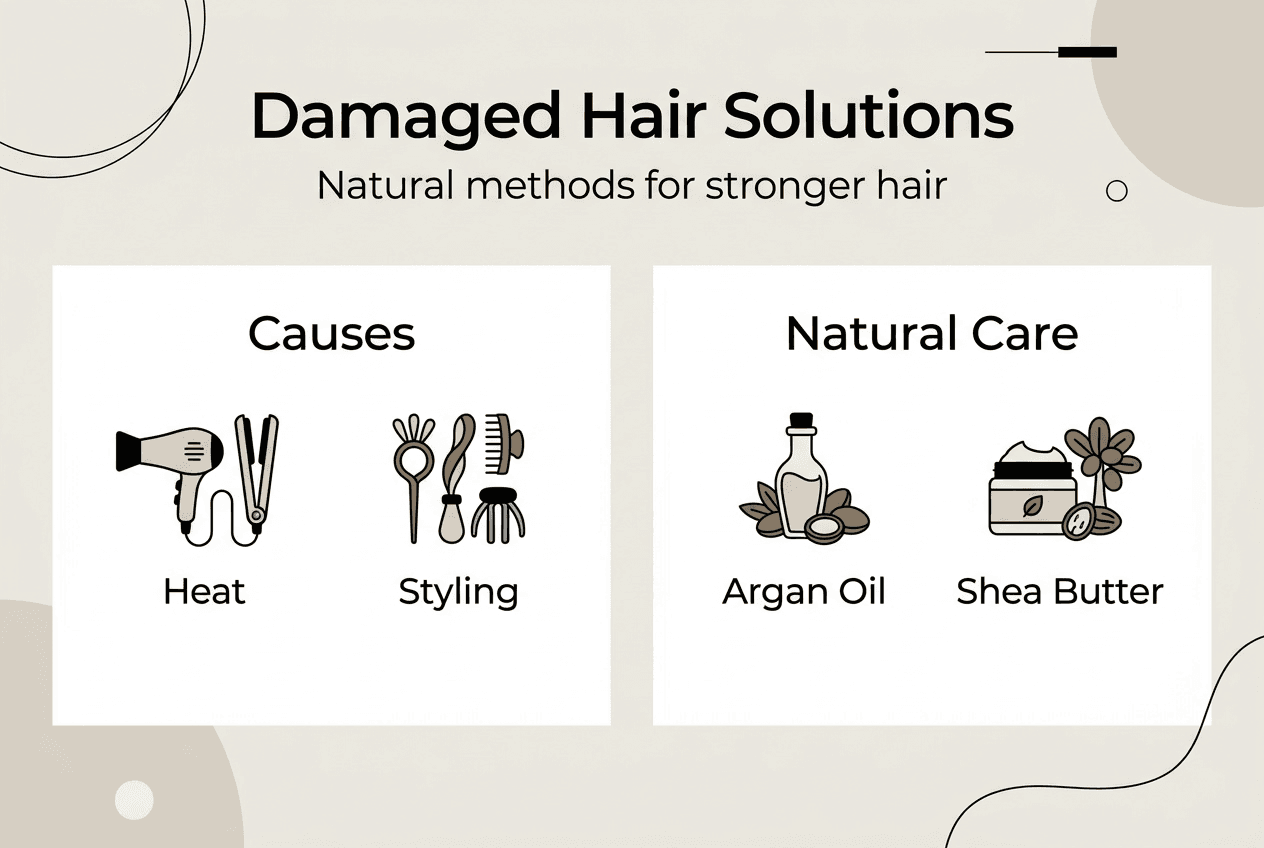
Mechanical damage from styling tools and wet combing weakens the hair shaft over time. Heat exceeding 180°C denatures keratin proteins, whilst brushing wet hair stretches fibres beyond their elastic limit. UV radiation causes protein loss and colour fading, particularly damaging the outer cuticle layer that protects the cortex.
Chemical treatments such as bleaching cause fibre weakening by breaking down the disulphide bonds that give hair its structural integrity. This process raises the cuticle scales, creating a rough surface that tangles easily and loses moisture rapidly. Progressive cuticle erosion exposes the inner cortex to environmental stressors.
Severity depends on several factors:
- Genetics and natural hair porosity levels
- Frequency and intensity of chemical treatments
- Environmental exposure to chlorine, salt water, or pollution
- Heat styling frequency and temperature settings
- Hair washing practices and product choices
Understanding these damage mechanisms helps you make informed decisions about which natural treatments will address your specific hair concerns most effectively.
How natural ingredients repair and protect damaged hair
From causes to solutions: explore how nature’s ingredients scientifically support hair repair and resilience. Clinical research validates that specific plant-based compounds actively restore hair structure rather than merely coating damage.
Argan oil, shea butter, and aloe vera improve hair elasticity and moisture retention through their unique molecular structures. Argan oil contains high concentrations of vitamin E and essential fatty acids that penetrate the hair shaft, whilst shea butter forms a protective barrier that locks in hydration. Aloe vera’s polysaccharides smooth the cuticle layer, reducing friction and breakage.
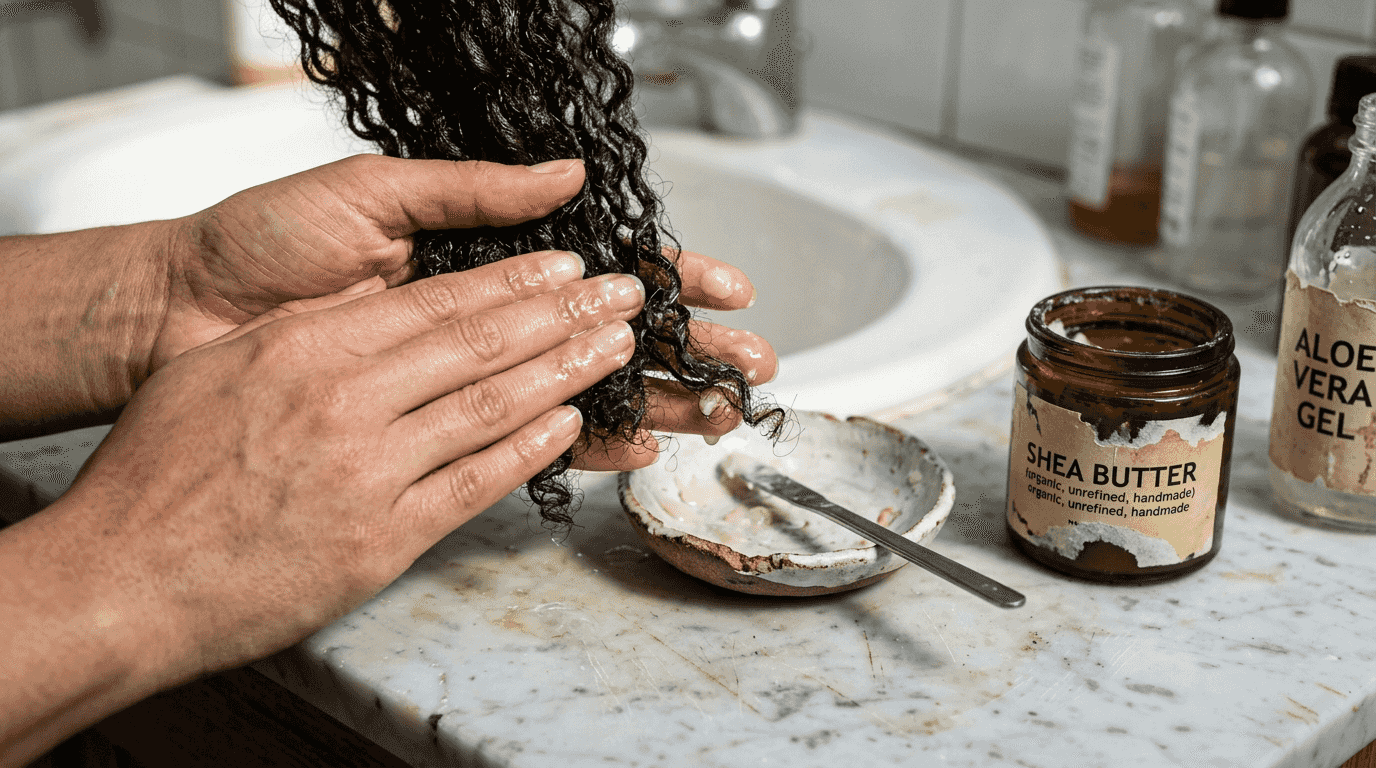
Hydrolysed proteins and plant oils penetrate the hair shaft to strengthen the cuticle from within. These smaller protein molecules fill gaps in damaged areas, temporarily reinforcing weakened sections. Over time, consistent use allows your hair to rebuild its natural protective layer.
Benefits of scientifically validated natural formulations include improved elasticity, enhanced moisture balance, and measurably reduced breakage. Studies show a 40% reduction in hair fall after eight weeks of consistent natural oil treatment.
Pro Tip: Patch test natural ingredients on your inner wrist 24 hours before full application to check for allergies, even with gentle botanical extracts.
Importance of scientifically validated formulations cannot be overstated. Not all natural products are created equal. Look for brands that cite research and use standardised ingredient concentrations for predictable results.
Choosing cruelty-free and vegan hair care products
Having covered ingredient effectiveness, next explore how cruelty-free and vegan products specifically aid damaged hair care. These formulations often exclude harsh additives that worsen existing damage whilst aligning with ethical values.
Avoidance of sulfates and silicones that worsen damage is a primary advantage. Sulfates strip natural oils that protect the cuticle, whilst certain silicones build up and prevent moisture penetration. Vegan products reduce protein loss and improve cuticle health by excluding these harsh chemicals.
Less scalp irritation and healthier hair cuticle result from gentler cleansing agents derived from coconut or sugar. These alternatives clean effectively without disrupting the scalp’s pH balance or causing inflammation that weakens hair follicles.
Ethical consideration of no animal testing matters to conscious consumers who want their beauty routine to reflect their values. Cruelty-free certification ensures products were developed without harming animals, whilst vegan status confirms no animal-derived ingredients like keratin or collagen.
Key points about choosing cruelty-free haircare:
- Cruelty-free does not always mean gentle: ingredient knowledge is essential
- Check for Leaping Bunny or PETA certification logos
- Vegan formulations may use plant-based protein alternatives
- Some natural ingredients can still cause sensitivity in certain individuals
Pro Tip: Look for multiple certifications on product packaging to verify both cruelty-free and vegan claims independently.
Understanding hair porosity to tailor your haircare routine
Transition from product choice ethics to personalised product selection based on your hair’s unique porosity. This characteristic determines how effectively treatments penetrate and repair your damaged strands.
Hair porosity refers to your hair’s ability to absorb and retain moisture, classified into three categories. Low porosity hair has tightly bound cuticles that resist moisture entry. Medium porosity hair maintains a balanced cuticle layer that absorbs and retains moisture well. High porosity hair has gaps and holes in the cuticle, absorbing moisture quickly but losing it just as fast.
How porosity affects moisture absorption and retention directly impacts which products work best. High porosity hair benefits from humectants and emollients to retain moisture, whilst low porosity hair needs lighter oils that won’t sit on the surface.
| Porosity Type | Characteristics | Recommended Products |
|---|---|---|
| Low | Cuticles lay flat, resists moisture, products sit on surface | Lightweight oils (argan, grapeseed), heat for penetration |
| Medium | Balanced absorption, holds styles well, minimal damage | Most natural treatments, protein treatments as needed |
| High | Absorbs moisture quickly, loses it fast, prone to frizz | Heavy butters (shea), leave-in conditioners, protein masks |
Importance of identifying your hair’s porosity for effective damage repair cannot be understated. The float test offers a simple method: place a clean strand in water. Low porosity hair floats, medium porosity hair suspends mid-glass, and high porosity hair sinks quickly.
Recommended product characteristics vary significantly. Low porosity hair needs humectants like glycerin to attract moisture, whilst high porosity hair requires sealing ingredients like oils and butters to prevent moisture loss.
Supporting hair health from within: biotin, silica and nutraceuticals
After external treatments, discover how strengthening hair internally complements your damaged hair care. Nutritional support addresses deficiencies that contribute to weak, brittle hair from the follicle level.
Biotin plays a crucial role in metabolic pathways and keratin synthesis, the protein that forms your hair structure. This B vitamin supports the production of amino acids essential for building strong hair fibres. Biotin and silica supplementation reduces hair fall and increases growth rate by up to 13% in clinical trials.
Evidence shows supplementation reduces shedding whilst increasing hair thickness measurably. Women experiencing hair loss or damage see the most dramatic improvements, with studies documenting a 34% reduction in hair fall after 90 days of consistent biotin intake.
Hair growth nutraceuticals enhance hair shaft diameter and reduce breakage through multiple mechanisms. Marine proteins, silica from bamboo extract, and vitamin complexes work synergistically to strengthen hair from inside. These supplements provide building blocks your body needs to produce resilient hair fibres.
Benefits for women experiencing hair loss or damage:
- Increased hair density and thickness within 12 weeks
- Reduced daily shedding and breakage
- Improved hair texture and manageability
- Enhanced response to topical treatments
- Stronger new growth from the follicle
Integrating biotin supplementation with topical care delivers the best outcomes. External treatments repair existing damage whilst internal nutrition supports healthy new growth. This dual approach addresses both symptoms and root causes of damaged hair.
Explore luxeva’s premium damaged haircare range
Having learned how to care for damaged hair scientifically and naturally, here’s how Luxeva can help simplify your routine. Our curated collections translate research into practical solutions you can trust.
Luxeva offers scientifically backed natural ingredient blends formulated specifically for damaged hair recovery. Each product combines multiple repair mechanisms in optimal concentrations based on clinical evidence. All formulations are cruelty-free and vegan certified, meeting the highest ethical standards without compromising effectiveness.

Convenient shampoo and conditioner sets tailored for damaged hair remove the guesswork from building an effective routine. These coordinated systems ensure ingredients work synergistically rather than counteracting each other. Expert tips included with each set help you maximise repair benefits through proper application techniques and timing.
This represents an ideal next step to apply your new knowledge practically, transforming understanding into visible hair health improvements.
FAQ
How often should I use natural hair repair treatments?
Most products show benefits with regular weekly use, though daily use varies by product type. Deep conditioning masks work best once or twice weekly, whilst lightweight oils can be applied daily. Consistency is key for long-term repair success, as natural ingredients work cumulatively rather than providing instant dramatic changes.
Can using cruelty-free hair products really make a difference to hair health?
Yes, they typically avoid harsh chemicals that worsen damage and irritation, particularly sulfates and synthetic silicones. These gentler formulations support healthier scalp and cuticle condition over time. The absence of aggressive cleansing agents allows your hair to maintain its natural protective oils whilst still achieving thorough cleansing.
What is hair porosity and why does it matter for damaged hair?
Hair porosity measures how well hair absorbs and retains moisture through the cuticle layer. Choosing products matching your porosity type improves repair and hydration effectiveness significantly. High porosity damaged hair needs heavier sealants, whilst low porosity hair requires lighter penetrating oils to avoid product buildup.
Are biotin supplements safe for hair growth and repair?
Generally safe when used as directed, with proven benefits for hair thickness and reduced shedding. Most adults tolerate biotin well at recommended doses between 2.5 to 5 milligrams daily. Consult with a healthcare provider before starting any supplement, especially if you take medications or have existing health conditions.