


Many assume natural haircare products are inherently safer and deliver faster results than synthetic alternatives. Scientific evidence reveals natural ingredients can trigger allergic reactions in up to 15% of users, challenging widespread assumptions about safety. This guide clarifies how to confidently choose premium, ethical, and effective natural haircare backed by science, helping you navigate ingredient profiles, realistic timelines, and cruelty-free certifications for genuine hair repair.
Table of Contents
- Introduction To Natural Ingredients In Haircare
- How Natural Ingredients Repair Hair: Scientific Insights
- Common Misconceptions About Natural Haircare Ingredients
- Comparing Natural Versus Synthetic Haircare Ingredients
- Ethical Aspects And Cruelty-Free Certifications In Haircare Selection
- Practical Guide: Choosing And Using Premium Natural Haircare Products
- Summary And Next Steps For Natural Haircare Enthusiasts
- Discover LuxeVA’s Premium Natural Haircare Solutions
Key takeaways
| Point | Details |
|---|---|
| Natural ingredients repair hair gradually | Bioactive compounds in plant oils and vitamins strengthen hair cuticles and support keratin production over 6 to 8 weeks of consistent use. |
| Natural does not always mean safer | Allergic reactions occur with natural extracts similarly to synthetic ingredients, requiring patch testing for sensitive scalps. |
| Cruelty-free certification matters | Recognised ethical labels such as Leaping Bunny ensure no animal testing and signal trustworthy product quality. |
| Consistent usage is essential | Visible repair effects require daily application over 6 to 12 weeks, unlike faster-acting synthetic treatments. |
| Ingredient transparency drives choices | Premium natural haircare emphasises scientifically validated compounds, ethical sourcing, and clear labelling for informed decisions. |
Introduction to natural ingredients in haircare
Natural ingredients encompass plant-derived oils, vitamins, and antioxidants formulated without synthetic chemicals like sulfates or parabens. Consumer trends in 2026 show a marked shift towards natural, cruelty-free, and ethically sourced haircare products, particularly among premium UK markets. Ingredient transparency and ethical sourcing now rank alongside efficacy as key purchasing factors.
These ingredients nourish the scalp, repair damaged hair cuticles, and support healthy hair growth through bioactive compounds. Understanding their mechanisms helps consumers differentiate genuine scientific benefits from marketing claims.
Key natural ingredients include:
- Argan oil rich in unsaturated fatty acids and vitamin E
- Biotin supporting keratin production and hair density
- Rosemary and mint compounds soothing scalp inflammation
- Plant-based antioxidants protecting against environmental damage
- Essential oils promoting follicle health and circulation
Premium haircare brands prioritise ingredient transparency, enabling consumers to verify scientific backing and ethical sourcing claims. This shift reflects growing awareness that natural does not automatically guarantee safety or rapid results, requiring informed evaluation of ingredient profiles and realistic expectations about repair timelines.
How natural ingredients repair hair: scientific insights
Natural ingredients repair hair through specific biological and chemical mechanisms targeting cuticle damage, keratin production, and scalp health. Argan oil delivers 20% improvement in breakage resistance after eight weeks due to its 80% unsaturated fatty acid content and high vitamin E levels. These compounds penetrate hair shafts, smoothing cuticles and restoring elasticity.
Biotin improves hair growth in 38% of deficient patients within six months by enhancing keratin synthesis, the structural protein comprising hair strands. Deficiency is common, making supplementation through topical products valuable for many users seeking increased density and strength.
Rosemary mint blends reduce scalp inflammation by 18% and improve hair thickness by 10% over 12 weeks. These compounds stimulate blood circulation to follicles whilst reducing oxidative stress that impairs growth cycles.
Mechanisms of natural hair repair:
- Fatty acids seal cuticles reducing moisture loss
- Antioxidants neutralise free radicals preventing cellular damage
- Vitamins support metabolic processes in follicle cells
- Anti-inflammatory compounds create healthier scalp environments
- Plant proteins reinforce keratin structures
| Ingredient | Primary Function | Typical Timeline |
|---|---|---|
| Argan oil | Cuticle repair and moisture retention | 6 to 8 weeks |
| Biotin | Keratin production and hair density | 3 to 6 months |
| Rosemary oil | Scalp health and follicle stimulation | 8 to 12 weeks |
| Vitamin E | Antioxidant protection and shine | 4 to 6 weeks |
Consistent use is essential to realise measurable repair, typically requiring 6 to 12 weeks of daily application. Natural compounds work cumulatively, building structural improvements rather than masking damage with temporary coatings. Products combining multiple bioactive ingredients, like those found in damaged hair repair naturally guide approaches, offer synergistic benefits.
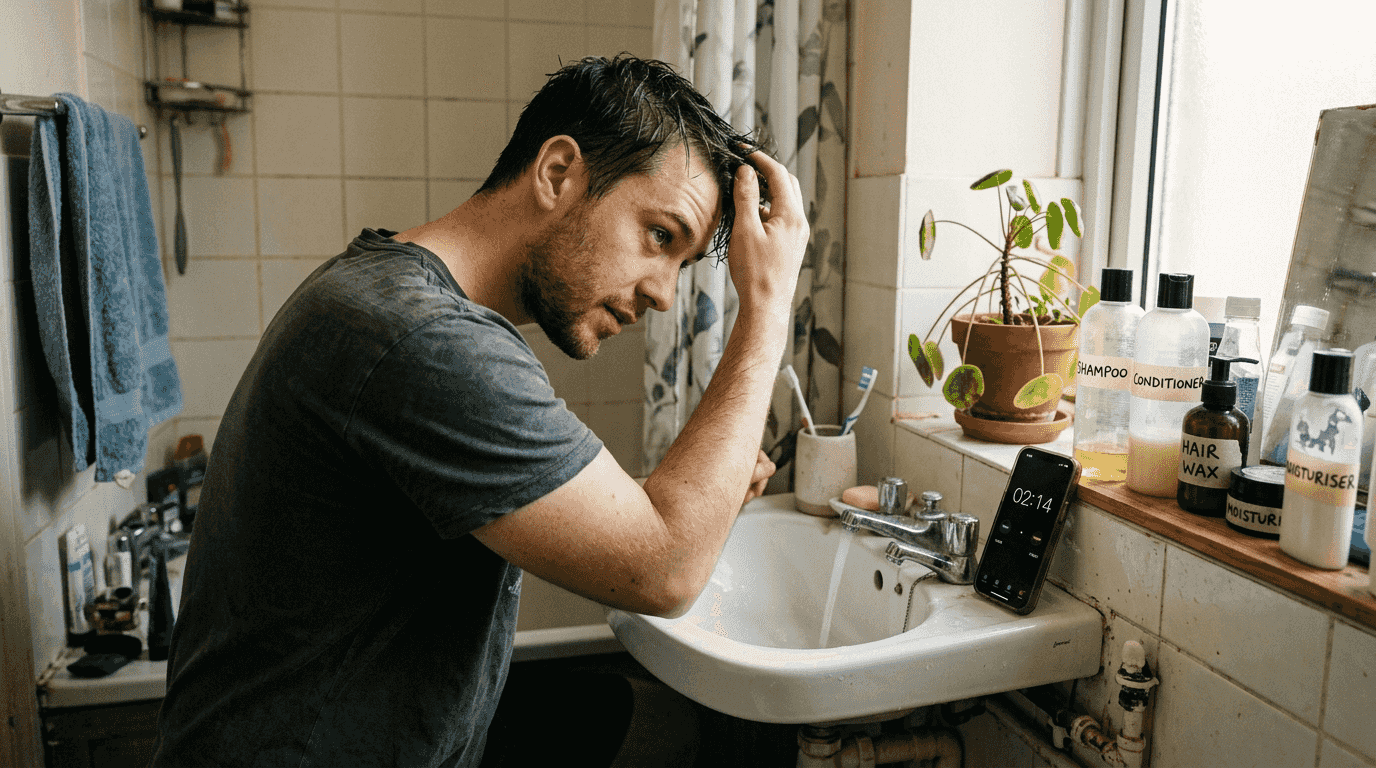
Pro Tip: Apply natural oils support hair treatments to damp hair for better absorption, focusing on mid-lengths and ends where damage concentrates. Understanding hair follicle repair explained mechanisms helps set realistic expectations for visible improvements.
Common misconceptions about natural haircare ingredients
The assumption that natural ingredients are universally hypoallergenic misleads consumers about potential sensitivities. Up to 15% of cosmetic dermatitis patients reacted to natural fragrance ingredients in patch tests, disproving blanket safety claims. Essential oils, botanical extracts, and plant proteins can trigger allergic responses in sensitive individuals similarly to synthetic compounds.
Natural hair repair typically requires longer, consistent use versus rapid synthetic treatments. Visible improvements from natural ingredients appear after 6 to 8 weeks of consistent use, compared to 2 to 3 weeks for some synthetic agents. This timeline difference causes premature product abandonment when users expect immediate results.
Common myths debunked:
- Natural always equals safe: allergies occur regardless of ingredient origin
- Instant results from plant extracts: biological repair requires time
- All synthetic ingredients are harmful: many are rigorously tested and effective
- Natural products never cause irritation: concentration and formulation matter
- Organic certification guarantees efficacy: scientific validation is separate
Setting realistic expectations prevents disappointment and product switching before ingredients can deliver benefits. Patch testing new products behind the ear or on the inner arm for 24 hours helps identify sensitivities before full application.
Pro Tip: Keep a haircare journal tracking product usage and visible changes over eight weeks to objectively assess effectiveness rather than relying on subjective daily observations. Resources like why choose natural hair products help establish informed expectations aligned with scientific timelines.
Comparing natural versus synthetic haircare ingredients
Natural cleansers avoid harsh sulfates and parabens that strip natural oils and irritate sensitive scalps. Sulfate-free shampoos reduce scalp irritation by 32% among sensitive users compared to sulfate-containing formulas. However, synthetic ingredients can provide faster visible repair through targeted chemical action, though often with higher irritation risks.
Ethical sourcing and cruelty-free status are more transparent and emphasised in natural products, aligning with values-driven purchasing decisions. Consumers must weigh effectiveness speed versus long-term hair and scalp health benefits when choosing between natural and synthetic formulations.
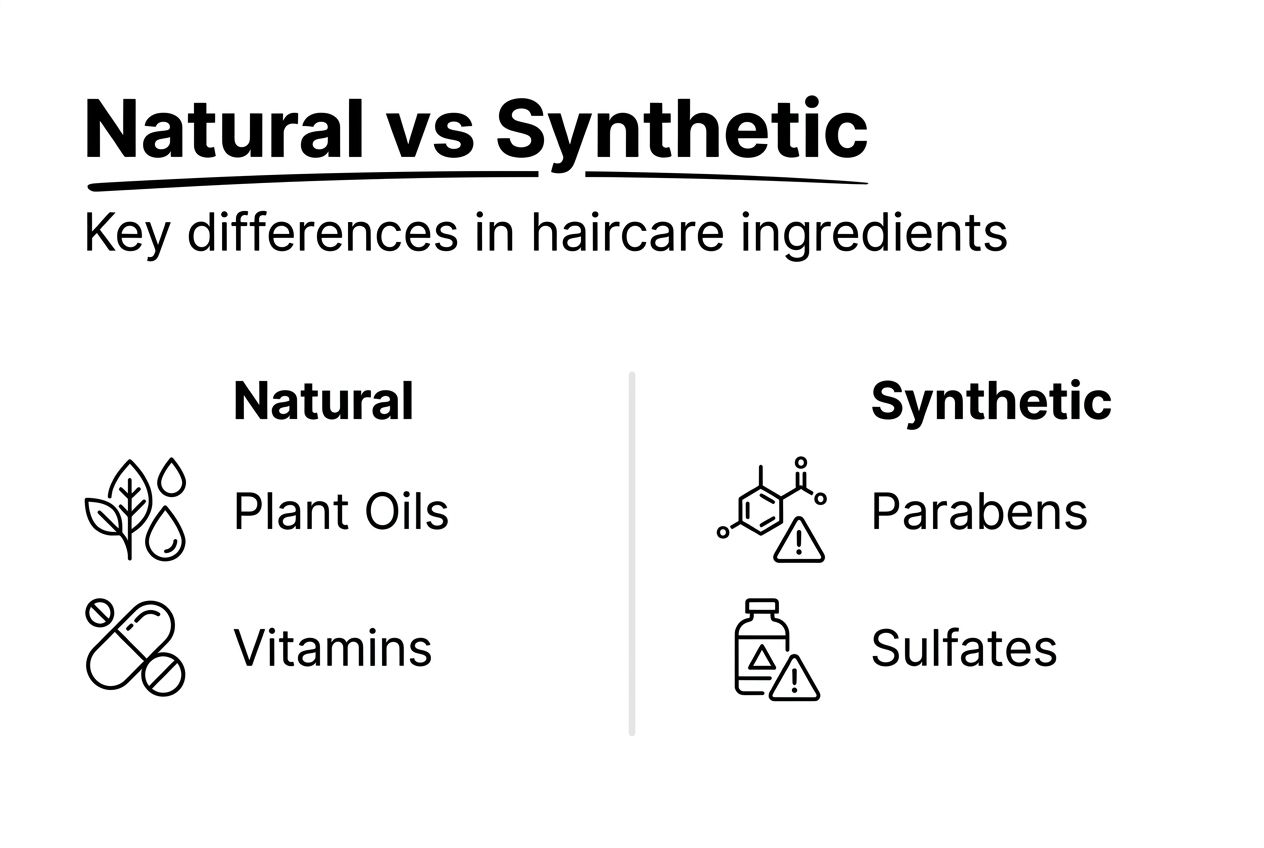
| Aspect | Natural Ingredients | Synthetic Ingredients |
|---|---|---|
| Safety profile | Generally gentler but not hypoallergenic | Rigorously tested but higher irritation potential |
| Effectiveness timeline | 6 to 12 weeks for visible repair | 2 to 4 weeks for visible results |
| Ethical transparency | Emphasised cruelty-free and sustainable sourcing | Variable depending on brand values |
| Scalp health impact | Supports long-term scalp microbiome balance | May disrupt natural oil production |
| Cost consideration | Often premium priced due to sourcing | Wide range from budget to luxury |
Key comparison factors:
- Natural preservatives have shorter shelf life than synthetic alternatives
- Synthetic silicones provide immediate smoothness but may cause buildup
- Plant-based surfactants clean gently without stripping oils
- Synthetic fragrances last longer but increase sensitivity risks
- Natural colour stability varies with exposure to light and heat
The rosemary oil and biotin comparison illustrates how natural compounds deliver measurable benefits through different biological pathways. Informed consumers evaluate individual ingredient profiles rather than categorically preferring natural or synthetic options.
Ethical aspects and cruelty-free certifications in haircare selection
Cruelty-free certification indicates no animal testing occurred during product development or ingredient sourcing, supporting ethical values increasingly demanded by UK consumers in 2026. Recognised certifications include Leaping Bunny and PETA logos, which require independent audits verifying compliance with strict no-testing standards throughout supply chains.
Ethical sourcing of natural ingredients ensures environmental sustainability and fair labour practices in cultivation and harvesting. Products with ethical certifications often align with premium product quality, as brands committed to cruelty-free values typically invest in rigorous ingredient validation and transparent supply chains.
Key ethical considerations:
- Leaping Bunny certification requires no animal testing by suppliers or third parties
- PETA approval covers finished products and individual ingredients
- Vegan formulations exclude animal-derived ingredients like keratin or collagen
- Fair trade sourcing supports equitable compensation for ingredient producers
- Sustainable harvesting prevents depletion of botanical resources
- Carbon-neutral shipping reduces environmental impact
Consumer trust correlates strongly with visible ethical certifications, as third-party verification provides accountability beyond brand claims. Premium natural haircare brands differentiate themselves through comprehensive ethical commitments extending from ingredient sourcing to packaging materials and business practices.
Practical guide: choosing and using premium natural haircare products
Identify your specific hair repair needs and scalp sensitivity before selecting products. Dry, damaged hair benefits from argan and coconut oil-based treatments, whilst thinning hair responds to biotin and rosemary formulations. Sensitive scalps require fragrance-free or hypoallergenic options with minimal essential oil concentrations.
Step-by-step selection process:
- Assess your hair condition: damage type, texture, and scalp health
- Research scientifically-backed ingredients targeting your specific concerns
- Verify cruelty-free certifications from recognised bodies like Leaping Bunny
- Check ingredient lists for allergens or known sensitivity triggers
- Read reviews focusing on similar hair types and concerns
- Patch test new products for 24 hours before full application
- Commit to consistent use for 6 to 8 weeks before evaluating effectiveness
Usage optimisation tips:
- Apply treatments to clean, damp hair for maximum absorption
- Focus products on damaged areas rather than uniform application
- Use lukewarm water for rinsing to preserve natural oils
- Limit heat styling during repair periods to prevent further damage
- Store products away from direct sunlight to maintain ingredient stability
Pro Tip: Start with travel sizes or sample sets when testing new brands to minimise waste if sensitivity occurs. The choosing natural haircare guide provides detailed evaluation criteria for premium product selection.
Summary and next steps for natural haircare enthusiasts
Natural ingredients offer scientifically validated hair repair through antioxidants, vitamins, and plant oils that strengthen cuticles and support healthy growth. Safety misconceptions require careful evaluation of ingredient profiles and monitoring for individual reactions, as natural origin does not guarantee hypoallergenic properties.
Ethical sourcing and cruelty-free certifications ensure premium quality aligned with consumer values, providing transparent accountability through third-party verification. Consistent use over 6 to 12 weeks is essential for realising measurable benefits, requiring patience and commitment beyond quick-fix expectations.
Informed choices empower effective, luxurious natural haircare routines that balance scientific efficacy with ethical considerations. Understanding biological repair mechanisms, realistic timelines, and proper product selection creates confidence in achieving genuine hair health improvements through premium natural formulations.
Discover LuxeVA’s premium natural haircare solutions
Transform your hair repair journey with LuxeVA’s scientifically formulated, cruelty-free natural products designed for visible results. Our biotin and rosemary shampoo set combines clinically-backed ingredients with ethical sourcing, delivering the gradual, sustainable repair your hair deserves.

Explore expert-backed formulas featuring argan oil, biotin, and rosemary compounds that nourish scalps and strengthen strands over consistent use. Every LuxeVA product meets rigorous cruelty-free standards, ensuring your beauty routine aligns with conscious consumer values. Our natural haircare selection guide helps match your specific hair concerns with optimal ingredient combinations. Discover the LuxeVA haircare range designed for premium quality and ethical integrity.
Frequently asked questions
Are natural haircare products really safer than synthetic ones?
Natural ingredients do not guarantee hypoallergenic properties. Natural extracts trigger allergic reactions in up to 15% of users with cosmetic dermatitis, similar to synthetic chemicals. Patch testing is essential for sensitive scalps, regardless of ingredient origin. Safety depends on individual sensitivities and proper formulation rather than natural versus synthetic categorisation.
How long does it take to see repair results from natural haircare products?
Natural ingredient benefits typically appear after 6 to 8 weeks of consistent daily use. Bioactive compounds work cumulatively to repair cuticles and strengthen keratin structures. Synthetic products may act faster but could have more side effects. Setting realistic expectations prevents premature product abandonment before measurable improvements occur.
What should I look for in a cruelty-free haircare product?
Recognised labels such as Leaping Bunny or PETA logos indicate verified cruelty-free standards throughout supply chains. Research the brand’s ethical sourcing policies, ingredient transparency, and third-party certifications. Vegan formulations exclude animal-derived ingredients, whilst fair trade sourcing supports equitable producer compensation. Comprehensive ethical commitments extend beyond testing to environmental sustainability.
Can natural haircare products cause scalp irritation?
Natural extracts can irritate sensitive scalps similarly to synthetic chemicals. Patch tests reveal up to 15% reaction to some natural fragrance ingredients among dermatitis patients. Perform 24-hour patch tests before full application. Choose fragrance-free or hypoallergenic products if prone to irritation, and monitor concentration levels of essential oils in formulations.