


Dry, damaged hair affects countless women across the UK, leaving them frustrated with dullness, breakage, and frizz that resists conventional treatments. Many products promise miraculous repair, yet genuine restoration remains elusive for most. This guide cuts through marketing claims to deliver scientifically backed, natural, cruelty-free methods that truly improve hair health. You’ll discover how structural damage occurs, which premium ingredients penetrate effectively, and how to build a treatment routine that restores your hair’s vitality over time. Whether you’re battling chemical damage, heat styling consequences, or environmental wear, these evidence-based strategies offer real solutions for achieving stronger, healthier hair.
Table of Contents
- Understanding Dry And Damaged Hair: Causes And Key Challenges
- Preparing For Treatment: Selecting Premium Natural And Cruelty-Free Products
- Executing Your Dry And Damaged Hair Treatment Routine Step-By-Step
- Verifying Results And Troubleshooting Common Issues In Hair Repair
- Explore Premium Cruelty-Free Haircare Solutions At Luxeva
- Frequently Asked Questions
Key takeaways
| Point | Details |
|---|---|
| Structural damage | Hair dryness stems from broken keratin bonds and lost protective lipids like 18-MEA |
| Natural penetration | Premium oils and antioxidants hydrate internally, unlike surface-coating silicones |
| Cruelty-free efficacy | Certified natural products deliver measurable strength and moisture improvements |
| Timeline commitment | Consistent routines require 4 to 6 months for visible property restoration |
Understanding dry and damaged hair: causes and key challenges
Your hair’s condition reflects cumulative exposure to stressors that compromise its internal structure. Dry and damaged hair primarily results from breakage of disulfide bonds in keratin, loss of lipids like 18-MEA, cuticle damage, and protein loss due to chemical, mechanical, thermal, and UV exposure. Chemical treatments strip away the hair’s natural protective layer, whilst heat styling tools literally cook protein structures. Mechanical stress from brushing, tight hairstyles, and rough towel drying creates microscopic tears that worsen over time.
The loss of 18-MEA, a fatty acid coating each strand, proves particularly problematic. This lipid layer creates a hydrophobic barrier that keeps moisture locked inside whilst repelling external humidity. When depleted, hair becomes porous and vulnerable, absorbing water unevenly and swelling irregularly. The result manifests as the frizz, roughness, and unpredictable texture you experience daily.
Damage manifests as dullness, roughness, frizz, split ends, and breakage, with full repair difficult and focus needed on restoring properties. Understanding this biological reality helps set realistic expectations. You cannot reverse severe structural damage completely, but you can significantly improve hair’s mechanical properties, appearance, and manageability. The key lies in selecting treatments that address both protein restoration and lipid replacement.
Common damage sources include:
- Chemical processes like bleaching, colouring, and perming that alter hair’s molecular structure
- Thermal styling tools exceeding 180°C that denature keratin proteins
- Environmental factors including UV radiation, chlorine, and saltwater exposure
- Mechanical stress from aggressive brushing, tight styling, and friction against fabrics
Preventing additional damage whilst treating existing issues creates the foundation for successful hair restoration. This dual approach, combined with patience and consistency, yields the most satisfying results. For comprehensive strategies on damaged hair repair naturally guide, explore evidence-based methods that prioritise hair health. Learning how to repair damaged hair naturally 2026 empowers you to make informed choices about your haircare routine.
Preparing for treatment: selecting premium natural and cruelty-free products
Choosing the right products determines your treatment success more than any other factor. Premium natural formulations offer distinct advantages over synthetic alternatives, particularly for women seeking cruelty-free options that align with ethical values. Premium, natural, cruelty-free UK-available products include MONDAY Repair with keratin, coconut, shea, and argan oils, Dr. Hauschka Hair Oil featuring neem, chamomile, and rosemary, plus Louise Galvin Sacred Locks, Rahua, Giovanni, Vegamour, and Harrogate Organics, all certified cruelty-free.
Keratin-based treatments deserve special attention because they replenish the primary structural protein in your hair. Look for hydrolysed keratin in ingredient lists, as this smaller molecular form penetrates the hair shaft rather than merely coating the surface. Coconut oil stands out among natural oils for its unique ability to reduce protein loss during washing, thanks to its lauric acid content and affinity for hair proteins.
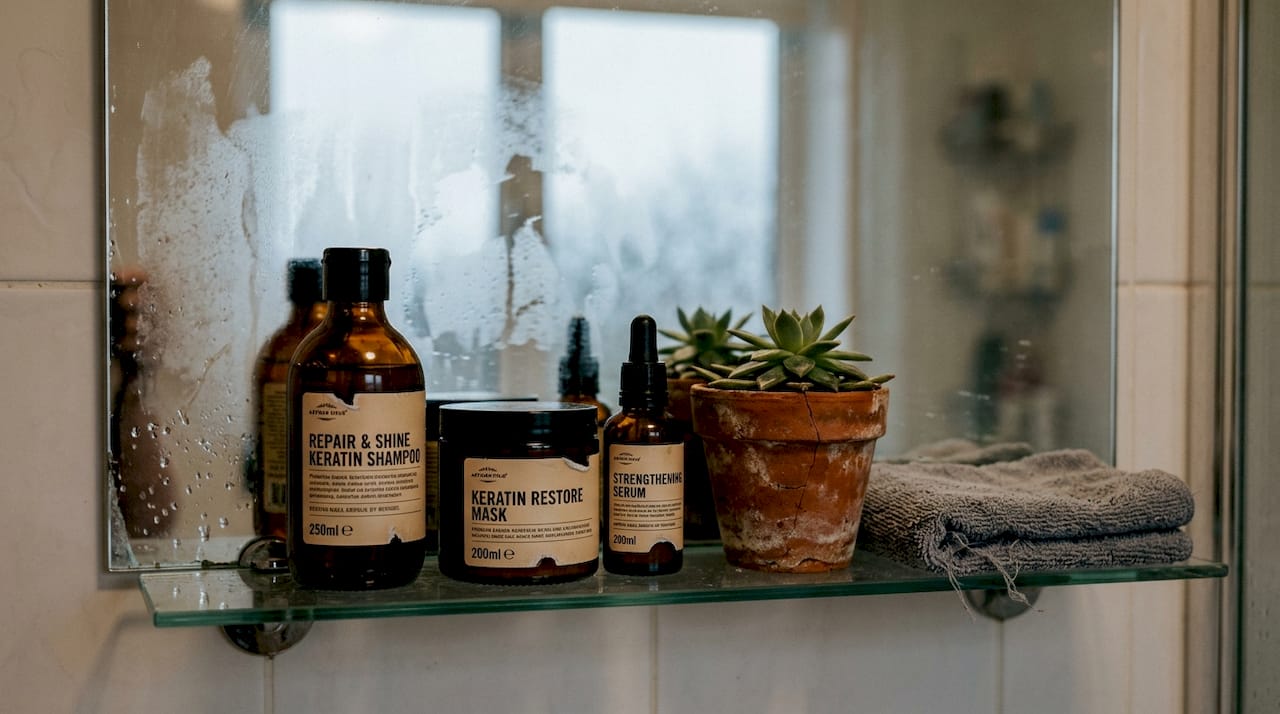
Argan oil brings essential fatty acids and vitamin E that nourish hair from within whilst providing antioxidant protection against environmental damage. Shea butter delivers intensive moisture and creates a protective barrier without the buildup issues associated with synthetic polymers. Botanical antioxidants, particularly rosemary extract, offer UV protection and stimulate scalp circulation to support healthy hair growth.
Avoid these problematic ingredients:
- Parabens, which disrupt hormone function and may cause scalp sensitivity
- Sulfates like sodium lauryl sulfate that strip natural oils excessively
- Synthetic fragrances containing undisclosed allergens
- Silicones that create temporary smoothness but prevent moisture penetration
Certifications provide valuable quality indicators when selecting products. NATRUE certification guarantees natural and organic ingredients meet strict standards, whilst Leaping Bunny or PETA cruelty-free logos confirm no animal testing occurred. These third-party verifications offer peace of mind that your purchases align with your values whilst delivering effective results.
Matching products to your specific hair type and damage cause optimises outcomes. Fine hair benefits from lightweight oils like argan, whilst thick, coarse hair handles richer formulations with shea butter. Chemically treated hair requires protein-rich treatments, whereas heat-damaged hair needs intensive moisture replenishment. Understanding best natural hair growth oils available for purchase uk comparison helps you select optimal formulations. Discover paraben free haircare advantages healthy hair to understand why clean ingredients matter.
Pro Tip: Purchase travel sizes initially to test product compatibility with your hair before investing in full-size bottles, especially when trying premium brands.
For additional natural treatment options, explore hair oils that complement your routine.
Executing your dry and damaged hair treatment routine step-by-step
Consistency transforms good products into visible results. Your treatment routine should follow a structured approach that addresses damage at multiple levels. Methodologies include pre-wash oil application for 20 minutes minimum, weekly deep conditioning masks, and daily leave-in conditioners, with benchmarks via tensile and breakage tests showing full repair unlikely but property restoration achievable.
Your weekly treatment schedule:
- Apply pre-wash oil treatment to dry hair, focusing on mid-lengths and ends where damage concentrates most severely
- Massage gently into hair and leave for 20 to 30 minutes, allowing natural oils to penetrate the cuticle layer
- Cleanse with a gentle, sulfate-free shampoo that removes oil without stripping natural moisture
- Apply a deep conditioning mask to towel-dried hair, distributing evenly from roots to tips
- Leave mask on for 10 to 15 minutes under a shower cap to enhance penetration through gentle heat
- Rinse thoroughly with cool water to seal the cuticle and enhance shine
- Apply leave-in conditioner to damp hair, focusing on damaged areas whilst avoiding the scalp
| Treatment Step | Duration | Frequency | Primary Purpose |
|---|---|---|---|
| Pre-wash oil | 20-30 minutes | Weekly | Deep penetration and protein protection |
| Deep conditioning mask | 10-15 minutes | Weekly | Intensive moisture and repair |
| Leave-in conditioner | Until next wash | Daily | Ongoing hydration and protection |
| Clarifying treatment | 5 minutes | Monthly | Remove buildup and refresh scalp |
Coconut oil deserves particular emphasis for pre-wash treatments because it penetrates the hair shaft more effectively than most alternatives. Its molecular structure allows it to slip between cuticle scales and bond with internal proteins. This penetration reduces water absorption during washing, which minimises the swelling and contraction cycle that causes cumulative damage.
Deep conditioning masks work best when you create a warm environment that opens the cuticle slightly. Wrap your hair in a warm towel or wear a shower cap whilst the mask processes. This gentle heat enhances ingredient absorption without the damage risk associated with direct heat styling. Some women find sitting in a steamy bathroom whilst the mask works provides similar benefits.
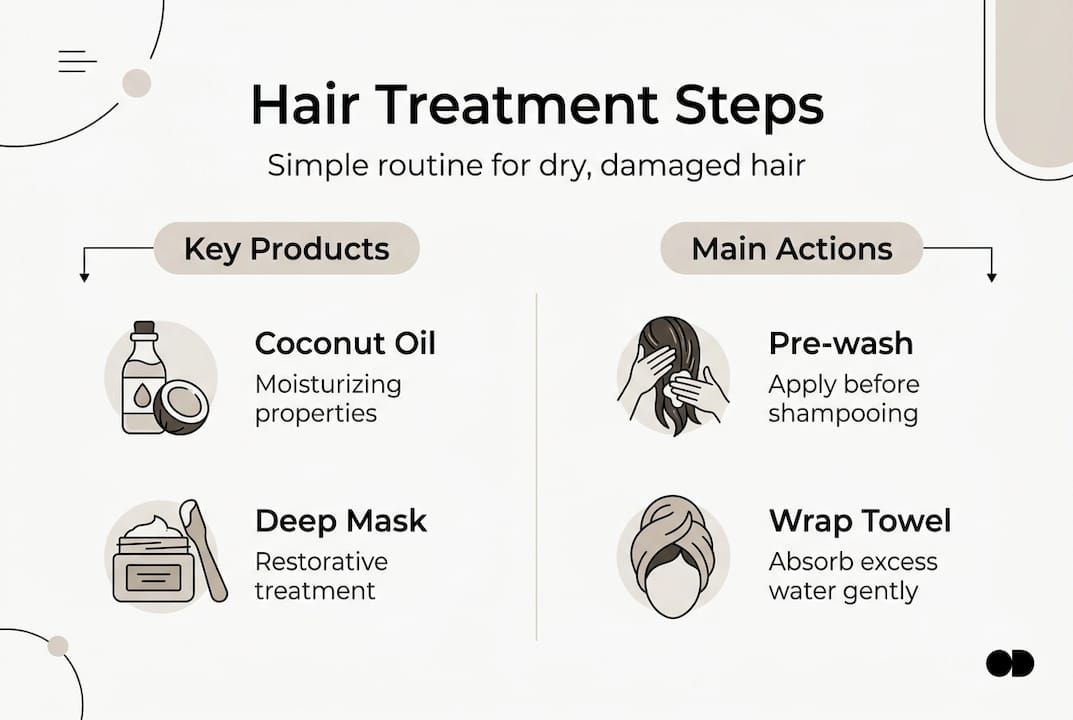
Leave-in conditioners serve as daily armour against environmental stressors. They provide ongoing moisture, reduce friction during styling, and create a protective barrier against UV radiation and pollution. Apply sparingly to avoid weighing hair down, concentrating product where damage appears most severe. For guidance on how to revive damaged hair naturally, implement these evidence-based techniques. Learn how to reduce hair breakage naturally through consistent care.
Pro Tip: Apply pre-wash oil the night before washing and sleep with hair in a loose braid for maximum penetration time without mess.
Testing shows consistent routines improve tensile strength and reduce breakage over weeks. You won’t see overnight miracles, but gradual property restoration becomes evident within the first month. Hair feels softer, tangles less, and shows improved elasticity when gently stretched.
Verifying results and troubleshooting common issues in hair repair
Measuring progress requires attention to specific indicators that reflect genuine improvement rather than temporary cosmetic changes. Monitor hair texture by running your fingers along individual strands weekly, noting whether roughness decreases and smoothness increases. Shine improvements become visible under natural light as the cuticle layer repairs and lies flatter. Frizz reduction in humid conditions signals restored lipid barriers protecting against moisture intrusion.
Breakage assessment provides the most objective measure of treatment efficacy. Count hairs on your brush or in the shower drain before starting treatment, then track changes monthly. Empirical benchmarks show 79% breakage reduction claimed by Vegamour, tensile strength improved via thiol cross-linkers in laboratory tests, nanoparticles re-binding split ends for over 72 hours versus 1.5 hours for silicones, and clinical trials demonstrating fenugreek hydration benefits plus rosemary UV protection. These measurable outcomes demonstrate what realistic improvement looks like over four to six months.
Natural treatments penetrate hair’s internal structure, delivering nutrients and moisture where damage originates. Synthetic alternatives, particularly silicones, coat the exterior surface to create temporary smoothness and shine. This surface treatment provides immediate gratification but prevents moisture penetration and can lead to buildup that dulls hair over time. Understanding this fundamental difference helps you evaluate whether products deliver genuine repair or cosmetic camouflage.
| Treatment Type | Penetration Depth | Duration of Effect | Buildup Risk | Long-term Benefits |
|---|---|---|---|---|
| Natural oils | Internal shaft | Cumulative | Minimal | Structural improvement |
| Silicones | Surface coating | Temporary | High | Cosmetic only |
| Protein treatments | Mid-cortex | Moderate | Low | Strength restoration |
| Botanical extracts | Cuticle layer | Sustained | None | Protection and nourishment |
Common troubleshooting scenarios:
- Product buildup manifesting as limp, greasy hair despite regular washing requires monthly clarifying treatments with natural alternatives
- Scalp sensitivity or itching suggests ingredient reactions, warranting a switch to simpler formulations with fewer botanical extracts
- Insufficient hydration despite treatment indicates need for heavier oils or more frequent deep conditioning sessions
- Continued breakage after three months signals need for increased protein rather than additional moisture
Clarifying treatments remove accumulated residue from styling products, hard water minerals, and even natural oils that build up over time. Use a gentle clarifying shampoo monthly, or create a natural alternative by mixing apple cider vinegar with water as a final rinse. This periodic reset allows subsequent treatments to penetrate more effectively.
Understanding that full repair remains unlikely helps maintain realistic expectations whilst appreciating genuine improvements. Severely damaged hair cannot regenerate its original structure, but you can restore many functional properties that make hair look and feel healthier. This property restoration proves measurable through reduced breakage, improved elasticity, enhanced shine, and better moisture retention. Explore restore dry damaged hair cruelty free remedies 2026 for additional strategies. Discover rosemary mint haircare benefits for scalp health and protection.
For complementary treatments, consider hair masks that enhance your routine.
Explore premium cruelty-free haircare solutions at LUXEVA
Transforming your hair requires more than knowledge alone. You need access to genuinely effective, ethically produced products that deliver on their promises. LUXEVA curates scalp & haircare sets specifically formulated with the keratin, botanical oils, and antioxidants this guide recommends. Each product undergoes rigorous testing to ensure it meets the highest standards for natural ingredients and cruelty-free production.

Their biotin & rosemary hair growth shampoo conditioner 3-in-1 set exemplifies the science-backed approach to hair repair. Biotin strengthens hair structure from within, whilst rosemary extract provides antioxidant protection and stimulates scalp circulation. This combination addresses multiple damage factors simultaneously, supporting the comprehensive treatment strategy outlined throughout this guide. When you choose LUXEVA, you invest in sustainable beauty that aligns with your values whilst delivering measurable results for your hair.
Frequently asked questions
What causes dry and damaged hair?
Multiple factors including chemical treatments, heat styling, and environmental exposure break hair’s keratin bonds and strip natural oils. Bleaching, colouring, and perming alter molecular structure, whilst tools exceeding 180°C denature proteins. UV radiation, chlorine, saltwater, and mechanical stress from brushing create cumulative damage that manifests as frizz, dullness, and brittleness.
How long does it take to see results from natural hair treatments?
Consistent use of natural, cruelty-free treatments typically requires four to six months for visible improvement in strength and moisture. Initial softness appears within weeks, but measurable breakage reduction and texture restoration develop gradually. Gradual hair property restoration represents realistic expectations, as full repair of severely damaged hair remains uncommon.
Are natural oils better than silicones for damaged hair?
Natural oils like coconut penetrate hair shafts, promoting internal repair, whilst silicones mostly coat the surface providing temporary smoothness. Oils deliver nutrients and moisture where damage originates, creating cumulative benefits over time. Silicones can cause buildup requiring clarifying treatments, whereas natural oils nourish without residue. Choose paraben free haircare advantages healthy hair for healthier scalp conditions.
Can dry and damaged hair be fully repaired?
Complete reversal of structural hair damage rarely occurs due to the complexity of keratin bond breakage and lipid loss. Once hair emerges from the follicle, it cannot regenerate damaged sections. The realistic goal focuses on property restoration to improve strength, hydration, and appearance over time, making hair look and feel healthier whilst preventing additional damage.
Recommended
- Restore dry and damaged hair: cruelty-free remedies 2026 – LUXEVA
- Effective damaged hair care with natural solutions 2026 – LUXEVA
- How to repair damaged hair naturally in 2026 – LUXEVA
- Damaged Hair Repair Naturally: Restore Strength and Shine – LUXEVA
- Hair Masks - Hair Care - mybestpharmacy.net | Mybestpharmacy.net | Online Pharmacy