


Dull hair frustrates countless women across the UK, yet many believe harsh chemical treatments are the only solution. This misconception persists despite growing evidence that natural, cruelty-free products deliver superior results without damaging your hair further. Understanding what truly causes dullness and how to address it with gentle, scientifically-backed methods transforms your approach to hair care. This guide reveals the root causes of lacklustre locks and practical strategies using premium natural ingredients to restore radiant shine, strength, and vitality to your hair.
Table of Contents
- Understanding What Causes Dull Hair
- The Role Of Nutrition And Hormonal Changes In Hair Shine
- Effective Natural And Cruelty-Free Treatments To Restore Shine
- How To Protect Your Hair Daily To Prevent Dullness
- Discover Luxeva’s Natural Haircare Solutions For Dull Hair
- Common Questions About Dull Hair Answered
Key takeaways
| Point | Details |
|---|---|
| Multiple damage types | Mechanical stress, UV exposure, chemical treatments, and product buildup all contribute to dull hair appearance |
| Internal factors matter | Iron deficiency and hormonal fluctuations directly impact hair shine and overall health |
| Natural solutions work | Premium cruelty-free products with argan oil and hyaluronic acid increase hydration by 35% within four weeks |
| Prevention is essential | Daily UV protection, gentle grooming tools, and sulphate-free cleansers prevent cuticle damage |
| Holistic approach wins | Combining nutritional support, protective habits, and nourishing treatments delivers lasting radiance |
Understanding what causes dull hair
Your hair loses its natural lustre through various forms of damage that compromise the protective cuticle layer. Hair weathering involves various insults leading to cuticle damage and dullness, creating a rough surface that scatters rather than reflects light. Recognising these damage mechanisms helps you avoid practices that worsen the problem whilst selecting appropriate natural haircare solutions.
Mechanical damage occurs daily through seemingly innocent grooming habits. Brushing wet hair, using poor-quality combs with rough seams, or aggressive towel drying creates microscopic fractures in the cuticle. These tiny breaks accumulate over time, transforming smooth, reflective hair into a dull, frizzy mess. The cuticle’s protective scales lift and chip away, exposing the vulnerable cortex underneath.
Environmental factors assault your hair relentlessly, particularly in the UK’s variable climate. UV radiation degrades hair proteins and pigments causing dryness and colour fading, whilst humidity fluctuations cause the cuticle to swell and contract repeatedly. This constant expansion and contraction weakens structural integrity, leading to porosity issues that prevent moisture retention. Wind, pollution, and hard water minerals further compound the damage, coating hair shafts with dulling residues.
Chemical insults represent perhaps the most severe threat to hair vitality. Chemical treatments are among the most damaging to hair fibres, breaking essential keratin bonds that maintain structure and elasticity. Permanent colouring, bleaching, perming, and relaxing treatments penetrate deep into the cortex, altering protein chains irreversibly. Even seemingly mild processes like frequent shampooing with harsh sulphates strip away natural oils that protect and illuminate hair.
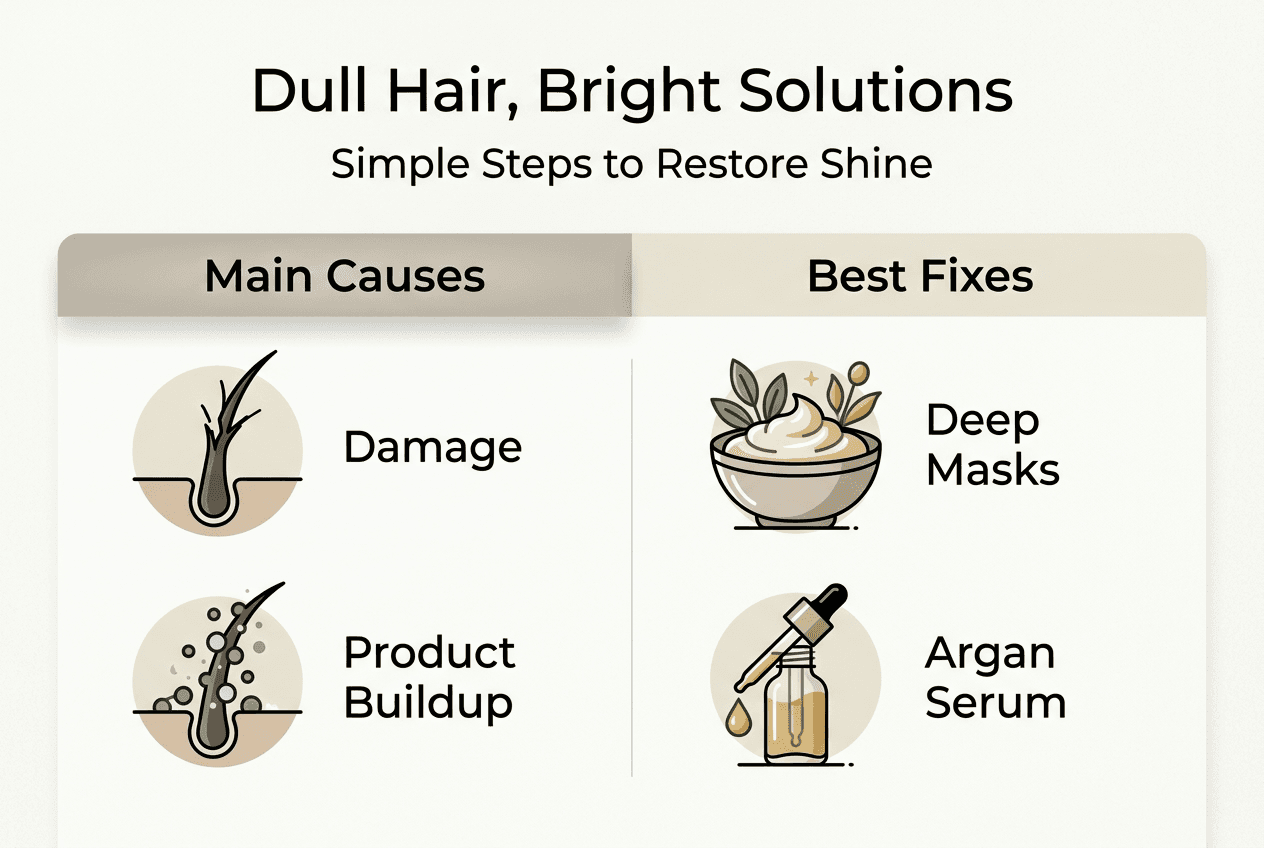
Product buildup creates an invisible barrier that blocks light reflection entirely. Silicones, heavy styling products, and mineral deposits from hard water accumulate on the hair shaft, creating a dull film. This residue prevents moisture from penetrating whilst trapping dirt and pollutants against the cuticle. The resulting appearance lacks dimension and movement, appearing lifeless regardless of your hair’s underlying health.
The cumulative effect of these factors explains why dull hair rarely results from a single cause. Your hair endures multiple simultaneous stressors, each contributing to progressive deterioration. Understanding this complexity guides you towards comprehensive solutions rather than quick fixes that address only surface symptoms.
The role of nutrition and hormonal changes in hair shine
Internal physiological factors significantly influence your hair’s ability to maintain its natural radiance. Whilst external treatments address surface damage, nutritional deficiencies and hormonal imbalances create systemic issues that manifest as persistent dullness. Addressing these underlying causes proves essential for achieving lasting improvements in hair quality and appearance.
Iron deficiency can cause hair loss by reducing oxygen and nutrients to follicles, triggering a condition called telogen effluvium. This premature shift into the resting phase produces thinner, weaker strands with diminished shine. Women aged 25 to 45 face particular vulnerability due to menstruation, pregnancy, and dietary restrictions that deplete iron stores. The resulting hair grows slowly, lacks pigment intensity, and appears noticeably dull compared to healthy strands.
Hormonal changes affect oil production impacting hair shine and health throughout various life stages. Oestrogen fluctuations during menstrual cycles, pregnancy, postpartum periods, and perimenopause alter sebum secretion from scalp glands. Too little oil leaves hair dry and brittle, whilst excessive production creates greasy roots with dehydrated ends. This imbalance prevents the even distribution of natural oils that coat and protect each strand, resulting in inconsistent texture and diminished lustre.
Thyroid dysfunction compounds these challenges by disrupting the entire hair growth cycle. Both hyperthyroidism and hypothyroidism slow cellular metabolism within follicles, producing fragile hair that breaks easily and lacks structural integrity. The strands emerge thinner, with irregular cuticle formation that scatters light inefficiently. Addressing thyroid imbalances through medical supervision often yields dramatic improvements in hair quality within months.
Adequate protein intake supports keratin production, the primary structural component of hair. Insufficient dietary protein forces your body to ration this essential nutrient, prioritising vital organs over hair growth. The resulting strands contain less keratin, making them weaker and more susceptible to damage. Including lean meats, fish, eggs, legumes, and nuts ensures your follicles receive sufficient building blocks for strong, shiny hair.

Pro Tip: Combine iron-rich foods like spinach and red meat with vitamin C sources such as citrus fruits to enhance absorption, whilst monitoring your intake of comprehensive hair wellness habits that support both internal and external hair health.
B vitamins, particularly biotin and B12, facilitate energy production within rapidly dividing follicle cells. Deficiencies slow growth rates and compromise structural protein synthesis, producing lacklustre hair. Supplementation often helps, though obtaining these nutrients through whole foods like eggs, dairy, and leafy greens provides superior bioavailability alongside complementary minerals and antioxidants.
Effective natural and cruelty-free treatments to restore shine
Premium natural products deliver scientifically-proven results without the harsh chemicals that perpetuate damage cycles. Selecting formulations with targeted nourishing ingredients addresses specific causes of dullness whilst supporting long-term hair health. Understanding which components work and why empowers you to build an effective routine tailored to your hair’s unique needs.
Leave-in serums with argan oil, shea butter, and hyaluronic acid can increase hair hydration by 35% after four weeks of consistent application. These ingredients penetrate the cuticle layer, binding moisture within the cortex whilst smoothing surface scales. Argan oil’s high vitamin E and fatty acid content repairs oxidative damage from UV exposure, whilst hyaluronic acid’s humectant properties draw atmospheric moisture into dehydrated strands. Shea butter seals the cuticle, preventing moisture loss and creating a reflective surface.
Sulphate-free cleansers preserve your scalp’s natural oil balance whilst removing product buildup and environmental pollutants. Traditional shampoos containing sodium lauryl sulphate strip away protective sebum, triggering compensatory overproduction that leaves roots greasy and lengths parched. Gentle alternatives using coconut-derived cleansing agents or micellar technology lift impurities without disrupting the acid mantle, maintaining optimal pH for cuticle health and shine.
Natural products mitigate chemical damage and reduce mechanical stress through superior slip and conditioning properties. Plant-based oils and butters provide lubrication during detangling, minimising friction-induced breakage. Protein treatments using hydrolysed keratin or silk amino acids temporarily fill gaps in damaged cuticles, restoring smoothness and light reflection. These biomimetic ingredients integrate seamlessly with your hair’s natural structure, unlike synthetic polymers that merely coat the surface.
Deep conditioning masks containing caviar extract, rosemary oil, and biotin deliver intensive nourishment for severely compromised hair. Weekly treatments allow active ingredients extended contact time to penetrate deeply and repair accumulated damage. Caviar’s omega-3 fatty acids strengthen cellular membranes within the cortex, whilst rosemary stimulates scalp circulation, enhancing nutrient delivery to follicles. Biotin supports keratin synthesis, gradually improving strand thickness and resilience.
Pro Tip: Apply argan oil treatments to damp hair rather than soaking wet strands, as excess water prevents oil penetration and dilutes effectiveness.
UV protection products prevent the protein degradation and pigment oxidation that cause irreversible dullness. Formulations containing UV filters, antioxidants like vitamin C and green tea extract, and mineral sunscreens shield hair from photodamage during outdoor activities. This preventative approach proves far more effective than attempting to reverse sun damage after it occurs, preserving your hair’s natural vibrancy and structural integrity.
| Ingredient | Primary benefit | Application frequency |
|---|---|---|
| Argan oil | Repairs oxidative damage, enhances shine | Daily or alternate days |
| Hyaluronic acid | Increases moisture retention by 35% | Daily in leave-in products |
| Shea butter | Seals cuticle, prevents moisture loss | 2 to 3 times weekly |
| Rosemary oil | Stimulates circulation, promotes growth | Weekly in masks |
| Biotin | Supports keratin production | Daily supplements or topical |
Consistent application of these natural damaged hair care solutions produces cumulative benefits, with noticeable improvements emerging within two to four weeks. Patience proves essential, as cellular repair and cuticle regeneration occur gradually. Tracking progress through photographs helps maintain motivation during the initial adjustment period when results may seem subtle.
How to protect your hair daily to prevent dullness
Establishing protective daily habits prevents new damage whilst allowing restorative treatments to work effectively. Small adjustments to your grooming routine and lifestyle choices compound over time, dramatically reducing the cumulative stress your hair endures. These practical strategies require minimal effort yet deliver substantial long-term benefits.
-
Never brush or comb hair whilst wet, as saturated strands stretch up to 30% beyond their dry length, making them extremely vulnerable to breakage. Wait until hair reaches 70% dry, then use a wide-tooth comb or specialised detangling brush with flexible bristles that bend rather than snap fragile strands.
-
Invest in high-quality grooming tools with smooth, seamless construction that glides through hair without snagging. Natural boar bristle brushes distribute oils from roots to ends, whilst carbon fibre combs eliminate static and reduce friction during styling.
-
Limit heat styling to twice weekly maximum, always applying a heat protectant containing silicones or polymers that create a thermal barrier between hot tools and hair proteins. When using heated appliances, select the lowest effective temperature, as damage occurs exponentially above 180°C.
-
Apply UV protection sprays or leave-in products containing SPF filters before outdoor exposure, reapplying every two hours during prolonged sun exposure. This simple step prevents the mechanical damage that poor grooming tools or brushing wet hair accelerates through photodegradation.
-
Rinse hair thoroughly after every wash, spending at least 60 seconds ensuring all product residue flows away completely. Incomplete rinsing leaves dulling deposits that accumulate with each wash, blocking light reflection and attracting dirt.
-
Switch to silk or satin pillowcases that reduce friction during sleep, preventing the mechanical abrasion that cotton creates. This single change decreases breakage, preserves hairstyles, and maintains moisture levels overnight.
-
Protect hair from chlorine and saltwater by saturating strands with clean water and applying a protective oil before swimming. Pre-loading hair with fresh water prevents absorption of damaging chemicals and minerals.
Pro Tip: Embrace the advantages of sulphate-free shampoo by gradually reducing wash frequency, allowing your scalp to recalibrate oil production naturally over four to six weeks.
| Protective practice | Damage prevented | Implementation ease |
|---|---|---|
| Avoiding wet brushing | Mechanical breakage, cuticle lifting | Simple, requires awareness |
| UV protection products | Protein loss, colour fading | Easy, daily application |
| Heat protectants | Thermal degradation above 180°C | Simple, pre-styling step |
| Silk pillowcases | Friction damage during sleep | Effortless, one-time purchase |
| Thorough rinsing | Product buildup, residue dulling | Easy, adds 60 seconds |
Incorporating these hair wellness habits into your existing routine requires minimal disruption whilst delivering maximum protective benefits. Consistency matters more than perfection, so focus on implementing one or two changes at a time until they become automatic. This gradual approach ensures sustainable adoption rather than overwhelming yourself with simultaneous modifications that prove difficult to maintain.
Discover luxeva’s natural haircare solutions for dull hair
Transforming dull, lifeless hair into radiant, healthy locks becomes achievable with the right products and commitment. LUXEVA offers scientifically-formulated, cruelty-free solutions that address every cause of dullness whilst nourishing your hair with premium natural ingredients. Each product combines nature’s most effective botanicals with cutting-edge hair science, delivering salon-quality results at home.

The GrowLux hair scalp ritual set provides comprehensive care that stimulates follicles whilst repairing existing damage, promoting both growth and shine simultaneously. For intensive repair, the argan oil heat protection repair shine set shields against thermal styling damage whilst restoring moisture balance and lustre. Explore the complete range of hair oils and sprays to find targeted treatments that complement your unique hair needs and lifestyle. Each formulation excludes harsh sulphates, parabens, and synthetic fragrances, ensuring gentle yet effective care that honours both your hair and ethical values.
Common questions about dull hair answered
Can dull hair be reversed completely?
Yes, with consistent use of appropriate natural treatments and protective practices, you can restore significant shine and vitality to dull hair within four to eight weeks. However, severely damaged sections may require trimming to remove split ends that cannot be repaired.
How often should I use deep conditioning masks?
Apply intensive masks once weekly for moderately dull hair, increasing to twice weekly for severely damaged or chemically treated hair. Overuse can cause protein overload, so monitor your hair’s response and adjust accordingly.
Do expensive products work better than budget options?
Quality matters more than price, though premium formulations typically contain higher concentrations of active ingredients and exclude harsh fillers. Reviving damaged hair naturally requires effective ingredients at sufficient levels, which budget products may not provide.
Will cutting my hair make it shinier?
Trimming removes damaged ends that appear dull and frizzy, immediately improving overall appearance. However, cutting alone does not address underlying causes, so combine regular trims with proper care for lasting results.
Can diet really improve hair shine?
Absolutely, as hair reflects your overall nutritional status. Adequate protein, iron, B vitamins, and omega-3 fatty acids support healthy growth and natural lustre from within, complementing topical treatments.
How long before I see results from natural products?
Most people notice improved texture and subtle shine within two weeks, with dramatic transformation occurring after four to six weeks of consistent application. Patience proves essential, as cellular repair requires time.
Recommended
- How to Revive Damaged Hair Naturally for Luxurious Results – LUXEVA
- How to repair damaged hair naturally in 2026 – LUXEVA
- How to Boost Hair Growth Naturally for Luxurious Results – LUXEVA
- Step by Step Biotin Hair Care for Revived, Healthy Hair – LUXEVA
- 5 ways to improve your skin in a week – EQUA - Sustainable Water Bottles