


Many women spend months treating the wrong problem. You buy anti-dandruff shampoo, use it religiously, and still wake up to flakes on your shoulders and an itchy, tight scalp. The reason? Dry scalp flakes are small, white, and dry, while dandruff flakes are larger, oily, and yellowish. These two conditions look similar but need completely different treatments. This guide cuts through the confusion, gives you the science, and shows you exactly which natural, cruelty-free solutions actually work for lasting scalp hydration and hair health.
Table of Contents
- What is dry scalp and how does it differ from dandruff?
- What causes a dry scalp? Unpicking the root triggers
- Premium, natural ingredients proven to hydrate and soothe
- Proven daily and weekly routines for lasting relief
- When to seek professional help for persistent dryness
- Premium, cruelty-free hair care for dry scalp relief
- Frequently asked questions
Key Takeaways
| Point | Details |
|---|---|
| Dry scalp vs. dandruff | Recognising the difference is crucial to choosing the right remedy for your symptoms. |
| Hydrating ingredients work | Niacinamide and hyaluronic acid show strong scientific evidence for improving scalp dryness. |
| Daily routines matter | Gentle, regular care using natural products can dramatically reduce dryness and flaking. |
| When to seek help | If scalp issues persist beyond 6 weeks or worsen, consult a healthcare professional. |
What is dry scalp and how does it differ from dandruff?
Dry scalp happens when your scalp loses moisture faster than it can replenish it. The skin becomes tight, itchy, and starts shedding tiny white flakes. It feels uncomfortable, especially in cold weather or after washing with harsh products. The flakes are light and fall off easily when you touch your hair.
Dandruff is a different beast entirely. It is caused by an overgrowth of a yeast called Malassezia, which triggers excess oil production and rapid skin cell turnover. The result is larger, oily, yellow flakes that tend to stick to the hair shaft rather than fall freely. Dandruff often comes with redness and a greasy scalp, not a tight, parched one.
Here is where it gets tricky. Both conditions can exist at the same time. If your scalp is very dry, it may overcompensate by producing excess oil, which then creates the conditions for Malassezia to thrive. This overlap makes self-diagnosis genuinely difficult.
Quick comparison: Dry scalp vs dandruff
| Feature | Dry scalp | Dandruff |
|---|---|---|
| Flake size | Small, fine | Large, chunky |
| Flake texture | Dry, powdery | Oily, waxy |
| Flake colour | White | White to yellowish |
| Scalp feel | Tight, itchy | Greasy, irritated |
| Root cause | Moisture loss | Yeast overgrowth |
| Best treatment | Hydrating, nourishing products | Antifungal ingredients |
Signs you likely have dry scalp rather than dandruff:
- Flakes appear after cold weather or central heating exposure
- Your scalp feels tight or uncomfortable after washing
- Flakes are very small and fall off without much effort
- Your hair and scalp feel dry overall, not oily
- Symptoms worsen in winter and improve in humid conditions
For more tailored guidance, explore these women’s scalp care tips to build a routine that fits your specific needs.
What causes a dry scalp? Unpicking the root triggers
Understanding the cause is the first step to fixing the problem. Dry scalp is not random. It has clear, identifiable triggers, and once you know yours, treatment becomes far more targeted.
Common causes include:
- Over-washing, which strips the scalp’s natural oils
- Shampoos containing sulphates or parabens that disrupt the skin barrier
- Cold, dry air and central heating that pull moisture from the skin
- Hot showers, which dehydrate the scalp just like they dehydrate your face
- Hormonal changes, particularly during perimenopause or postpartum recovery
- Ageing, which naturally reduces the scalp’s ability to retain moisture
- Nutritional deficiencies, especially in omega-3 fatty acids, zinc, and vitamin D
At a biological level, dry scalp often involves a disrupted skin barrier. Your scalp’s outermost layer, the stratum corneum, relies on ceramides to hold moisture in. When ceramide levels drop, transepidermal water loss (TEWL) increases, meaning moisture escapes faster than it is replaced. This is the core mechanism behind chronic dry scalp.
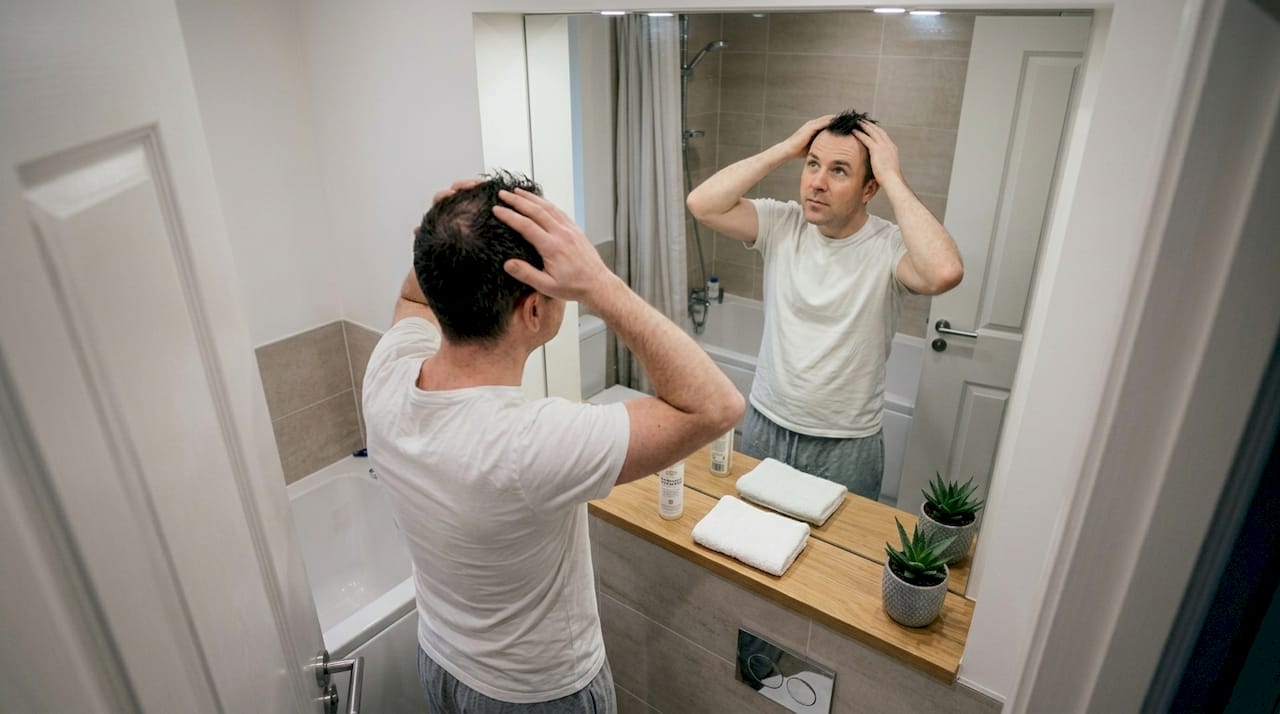
Niacinamide, a form of vitamin B3, directly addresses this. Research shows it enhances water uptake in the stratum corneum and helps plasticise keratin, keeping the scalp supple rather than brittle. Read more about the niacinamide benefits for hair and why it belongs in your routine.
Pro Tip: Switch to a sulphate-free, paraben-free shampoo immediately if you suspect product-related dryness. Harsh cleansers are one of the most common and most overlooked causes of chronic scalp dehydration.
Premium, natural ingredients proven to hydrate and soothe
Not all ingredients are equal. Some are backed by strong clinical evidence. Others are marketing noise. Here is what actually works for dry scalp relief.
Science-backed ingredients and how they work:
| Ingredient | Key benefit | Mode of action |
|---|---|---|
| Niacinamide | Strengthens skin barrier | Boosts ceramide production, reduces TEWL |
| Hyaluronic acid | Deep hydration | Binds up to 1,000x its weight in water |
| Coconut oil | Moisture sealing | Fatty acids penetrate the hair shaft |
| Tea tree oil | Soothes irritation | Antimicrobial, reduces scalp inflammation |
| Ceramides | Barrier repair | Replenishes lipid layer in stratum corneum |
| Rosemary extract | Stimulates circulation | Increases blood flow to follicles |
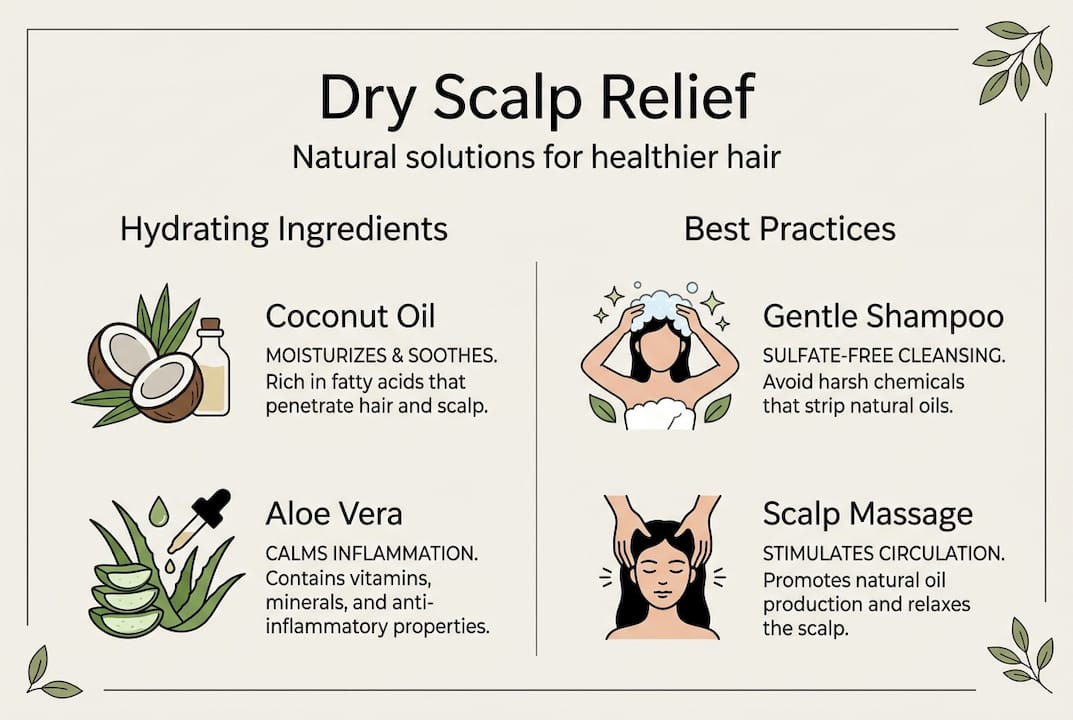
HA-based treatments reduce dry scalp symptoms by up to 83% within just 6 weeks. That is a significant result for a natural, non-prescription ingredient. Hyaluronic acid works by drawing moisture into the scalp tissue and holding it there, creating lasting hydration rather than a temporary fix.
For conscious consumers, cruelty-free formulations matter just as much as efficacy. Look for products certified by Leaping Bunny or PETA, and check that the brand does not test on animals at any stage of production. Discover how combining niacinamide with other actives can amplify your results without irritating a sensitive scalp.
For a broader look at what works at home, natural dry scalp remedies offer a solid starting point alongside premium product routines.
What to look for on product labels:
- Hyaluronic acid or sodium hyaluronate
- Niacinamide (vitamin B3)
- Ceramide NP, AP, or EOP
- Coconut oil or caprylic/capric triglyceride
- Rosemary leaf extract
- Free from sulphates, parabens, and synthetic fragrances
Pro Tip: Always dilute essential oils like tea tree before applying directly to your scalp. A ratio of 2 to 3 drops per tablespoon of carrier oil is safe and effective. Undiluted essential oils can cause irritation, especially on an already sensitive scalp.
Proven daily and weekly routines for lasting relief
The right products only work when used correctly and consistently. A structured routine removes guesswork and delivers real, visible results.
Your weekly dry scalp routine:
- Pre-shampoo oil treatment (once weekly): Apply a blend of coconut oil and 2 to 3 drops of diluted tea tree oil to your scalp. Leave for 30 minutes or overnight under a shower cap. This seals in moisture before cleansing strips any away.
- Gentle cleanse: Use a sulphate-free shampoo. Wash with lukewarm water, never hot. Massage the scalp gently with your fingertips using small circular motions to lift flakes without scratching.
- Hydrating scalp mask (once weekly): Apply a ceramide or hyaluronic acid-rich mask directly to the scalp. Leave for 10 to 15 minutes before rinsing. This is your biggest hydration boost of the week.
- Conditioner and leave-in spray: Apply conditioner from mid-lengths to ends. Follow with a lightweight hydrating leave-in spray on the scalp to lock in moisture post-wash.
- Daily scalp massage: Spend 3 to 5 minutes each day massaging your scalp with your fingertips or a soft-bristle brush. Scalp massage routines improve circulation, encourage nutrient delivery to follicles, and help distribute natural oils evenly.
Results build over time. Commit to a 6 to 8 week scalp ritual before assessing whether your routine needs adjusting. Consistency is everything.
Natural oils like coconut and diluted tea tree provide deep hydration through their fatty acid content, making them ideal anchors for any weekly scalp mask routine.
Pro Tip: Massage your scalp before bed rather than just before washing. Evening massage allows oils to absorb overnight, giving active ingredients maximum contact time with the scalp.
Common mistakes that make dry scalp worse:
- Washing your hair every day, which strips protective oils
- Using very hot water, which dehydrates the scalp
- Skipping scalp protection in harsh sun or cold wind
- Applying conditioner directly to the scalp, which can clog follicles
- Scratching flakes off aggressively, which damages the skin barrier
When to seek professional help for persistent dryness
Home routines work brilliantly for most cases of dry scalp. But sometimes the dryness signals something deeper that needs professional attention.
See a dermatologist if you notice:
- Redness, swelling, or open sores on the scalp
- Bleeding or crusting that does not resolve within a week
- Significant hair loss alongside scalp dryness
- No improvement after 6 consistent weeks of targeted home care
- Symptoms spreading beyond the scalp to the face, ears, or neck
- Intense pain or burning rather than mild itching
“Dry scalp can coexist with conditions like seborrhoeic dermatitis, and if over-the-counter methods are not working, a medical evaluation is essential to rule out underlying triggers.” — Expert insight via The Healthy
Seborrhoeic dermatitis, psoriasis, and contact dermatitis can all mimic dry scalp. A dermatologist can distinguish between these conditions and prescribe targeted treatments where needed. Do not spend another six months treating the wrong thing. If your gentle scalp solutions are not delivering results, professional input is the smart next step.
Premium, cruelty-free hair care for dry scalp relief
Your scalp deserves better than guesswork. ✨ At Luxeva, we have built every formula around what your scalp actually needs: deep hydration, barrier repair, and clean, cruelty-free ingredients that deliver real results. No sulphates. No parabens. No compromise.

Our biotin rosemary shampoo set is one of our most loved solutions for dry, flaky scalps. 🌿 Biotin strengthens the hair shaft while rosemary extract boosts circulation and soothes irritation at the root. It is the kind of routine upgrade that shows results within weeks, not months. Shop now and feel the difference a truly clean formula makes. FREE SHIPPING available. Limited stock. Do not wait. 🚚✨
Frequently asked questions
How do I tell if my scalp is dry or if I have dandruff?
Dry scalp flakes are small, white, and dry, while dandruff flakes are larger, oily, and often yellowish. If your scalp feels tight and parched rather than greasy, dry scalp is the more likely culprit.
What natural treatments are best for a dry scalp?
Natural oils like coconut and diluted tea tree provide deep hydration through fatty acids, while HA-based treatments reduce symptoms by 83% in 6 weeks. Niacinamide and ceramides are also excellent additions to any dry scalp routine.
How long does it take to see results from dry scalp remedies?
Most evidence-backed routines show meaningful relief within 6 weeks. HA-based treatments in particular show up to 83% symptom reduction in that timeframe when used consistently.
Can dry scalp be completely cured with home remedies?
Many cases improve significantly with the right routine and ingredients. However, if symptoms persist beyond 6 weeks, seborrhoeic dermatitis or another underlying condition may be involved, and professional evaluation is recommended.