


Many believe sulphate-free shampoos can’t clean properly, yet scientific testing reveals less than 5% difference in cleansing efficacy compared to traditional formulas. The real distinction lies not in cleaning power but in how these gentler alternatives protect your scalp barrier whilst delivering effective results. This guide explores why sulphate-free options offer superior hair health benefits for women prioritising clean beauty and premium haircare in 2026.
Table of Contents
- Understanding Sulphates: What Are They And Why Are They Used?
- Why Sulphates Can Harm Hair And Scalp
- How Sulphate-Free Shampoos Protect Hair And Scalp
- Common Misconceptions About Sulphate-Free Shampoos
- Ingredients That Enhance Sulphate-Free Shampoo Benefits
- How To Transition And Choose The Right Sulphate-Free Shampoo
- Experience Premium Sulphate-Free Haircare With LUXEVA
- What Are Sulphates In Shampoo And Why Are They Controversial?
- Will Sulphate-Free Shampoos Foam As Much As Regular Shampoos?
- How Long Does It Take To See Hair Health Benefits After Switching To Sulphate-Free Shampoo?
Key takeaways
| Point | Details |
|---|---|
| Gentle yet effective cleansing | Sulphate-free shampoos use mild surfactants that clean thoroughly without stripping natural oils or damaging hair cuticles. |
| Reduced scalp irritation | Eliminating harsh sulphates decreases inflammation and barrier disruption by 30-50%, benefiting sensitive scalps prone to dryness or eczema. |
| Enhanced hair repair | Premium formulas contain biotin, argan oil, and antioxidants that actively strengthen hair structure and improve density over time. |
| Clean beauty alignment | These products exclude harsh chemicals, parabens, and support cruelty-free values central to ethical haircare choices. |
| Transitional adjustment | Optimal results appear after 4-6 weeks as hair and scalp adapt to gentler cleansing methods. |
Understanding sulphates: what are they and why are they used?
Sulphates are synthetic detergents derived from petroleum or plant sources, commonly appearing as sodium lauryl sulphate (SLS) or sodium laureth sulphate (SLES) on ingredient lists. These compounds excel at creating abundant lather and breaking down oils, which explains their widespread use in conventional shampoos since the 1930s. Manufacturers favour them because they deliver immediate sensory satisfaction through rich foam whilst effectively removing dirt, sebum, and styling product residue.
Their chemical structure contains both water-loving and oil-loving components, allowing them to surround and lift away greasy substances from hair and scalp surfaces. This powerful degreasing action makes sulphates incredibly efficient cleansers. However, this same strength becomes problematic when sulphates like sodium lauryl sulphate strip oils but disrupt scalp barrier and cause irritation in up to 20-30% of users.
Common sulphate ingredients to identify include:
- Sodium lauryl sulphate (SLS)
- Sodium laureth sulphate (SLES)
- Ammonium lauryl sulphate
- Sodium myreth sulphate
- TEA lauryl sulphate
Recognising these terms helps you make informed decisions when reading shampoo labels. Understanding why avoid sulphates shampoo begins with knowing exactly what you’re looking for on product packaging.
Why sulphates can harm hair and scalp
The aggressive cleansing action that makes sulphates effective also compromises your scalp’s protective barrier, leading to inflammation, moisture loss, and chronic irritation. Research shows sulphates accelerate cuticle damage and hair shaft roughness, leading to increased breakage, frizz, and moisture loss within 3 weeks of regular use. This structural damage accumulates over time, creating progressively weaker hair that resists styling and loses its natural shine.
Your scalp maintains a delicate lipid barrier that regulates moisture and protects against environmental stressors. Sulphates strip away these essential oils faster than your skin can replenish them, causing dryness, flaking, and heightened sensitivity to temperature changes. For the 20-30% of women experiencing scalp irritation from sulphates, symptoms often include itching, redness, and discomfort after washing.
Critical statistic: Regular sulphate shampoo use damages hair cuticles within just 3 weeks, accelerating breakage and dullness that requires months to reverse through intensive repair treatments.
Specific scalp and hair damage includes:
- Protein loss from hair cortex weakening internal structure
- Cuticle lifting creating rough, porous hair texture
- Colour fade acceleration in treated hair
- Sebaceous gland overstimulation triggering excess oil production
- Inflammatory responses worsening conditions like seborrhoeic dermatitis
The harmful effects of sulphates extend beyond immediate discomfort to long-term hair quality decline. Women with chemically treated, fine, or naturally dry hair experience amplified damage, making sulphate avoidance particularly crucial for these hair types.
How sulphate-free shampoos protect hair and scalp
Sulphate-free formulations replace harsh detergents with gentler alternatives like cocamidopropyl betaine, decyl glucoside, and coco-glucoside that cleanse effectively whilst preserving scalp integrity. These mild surfactants work through different chemical mechanisms, removing impurities without disrupting the protective lipid layer your skin needs for optimal health. Clinical studies demonstrate 30-50% reduction in protein loss and inflammation when switching from sulphate to sulphate-free cleansers.
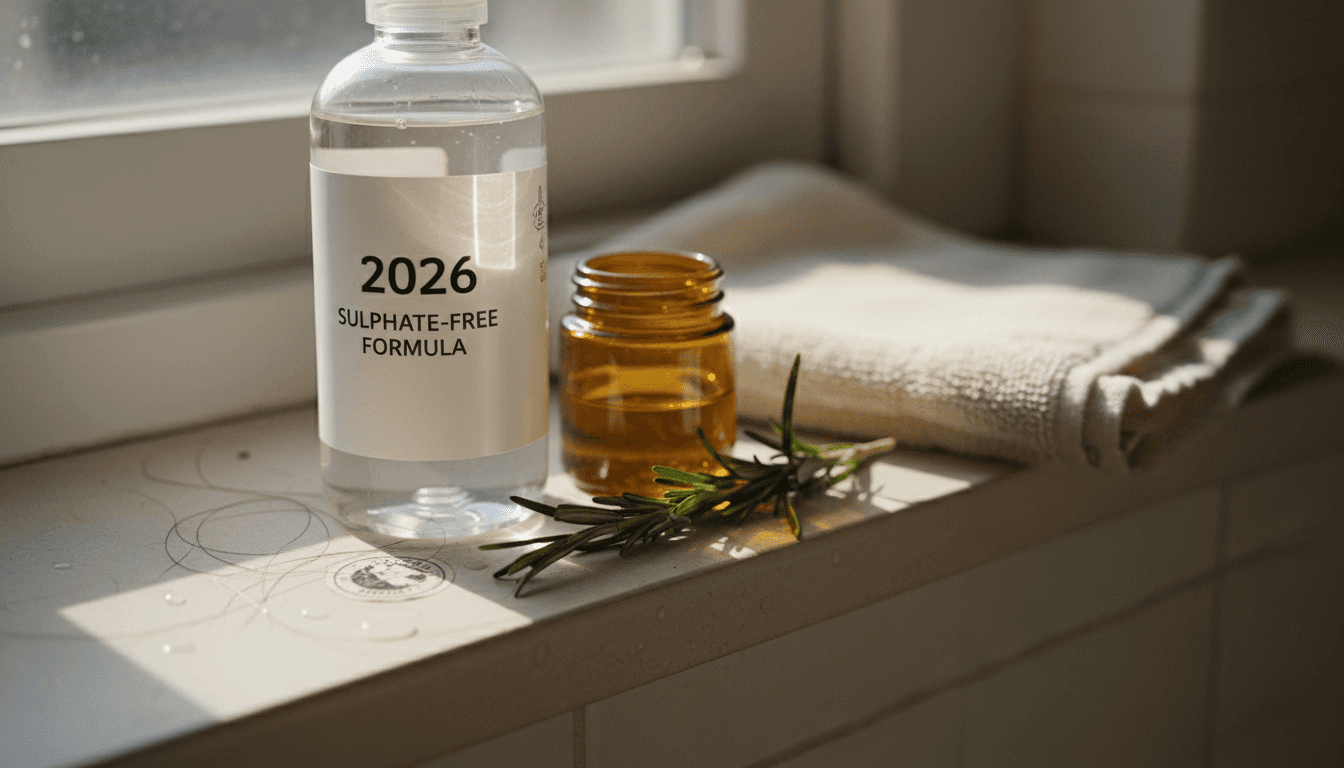
Your scalp responds to this gentler approach by maintaining better moisture balance, reducing flaking, and showing decreased reactivity to environmental triggers. Women with eczema, psoriasis, or chronic dryness often experience significant improvement in scalp comfort within the first month of sulphate-free use. Hair itself retains more natural oils along the shaft, resulting in improved elasticity, reduced breakage, and enhanced shine without requiring heavy conditioning products.
Sulphate-free shampoos also align with clean beauty movements by excluding harsh surfactants, parabens, and cruelty, appealing to consumers focused on ethical and sustainable haircare. This philosophy prioritises ingredient transparency and long-term hair health over immediate cosmetic effects.
Pro tip: Check beyond the “sulphate-free” label to verify your shampoo contains truly gentle surfactants like decyl glucoside or coco-betaine, not just alternative harsh detergents like olefin sulphonate that can cause similar irritation.
Key protective benefits include:
- Maintained scalp barrier function preventing moisture loss
- Preserved hair cuticle integrity reducing frizz and breakage
- Reduced inflammatory markers supporting scalp healing
- Retained natural sebum distribution for balanced hydration
Exploring a comprehensive sulphate-free haircare guide helps you understand how these products work synergistically with your hair’s natural biology to deliver superior results compared to conventional formulas.
Common misconceptions about sulphate-free shampoos
The belief that sulphate-free shampoos can’t clean properly persists despite scientific evidence showing similar cleansing efficacy between mild sulphate-free and sulphate shampoos, with less than 5% difference. This misconception stems from associating cleaning power with abundant lather, yet foam quantity doesn’t correlate directly with dirt removal effectiveness. Modern plant-based surfactants achieve thorough cleansing through different mechanisms that don’t require aggressive foaming.
Another common myth suggests sulphate-free options lack satisfying foam, yet research confirms many sulphate-free shampoos maintain effective foaming and cleansing through plant-based surfactants without compromising cleaning performance. The foam difference typically measures within 10% of traditional formulas, providing adequate sensory experience whilst delivering gentler hair care.
| Feature | Sulphate shampoos | Sulphate-free shampoos |
|---|---|---|
| Cleansing efficacy | 100% (baseline) | 95-98% (minimal difference) |
| Foam production | High volume, immediate | Moderate volume, within 10% |
| Scalp irritation risk | 20-30% of users | Under 5% of users |
| Protein retention | Significant loss | 30-50% better retention |
| Price range | £3-£15 | £8-£25 (premium options) |
Some consumers worry sulphate-free means ineffective or prohibitively expensive. Whilst premium sulphate-free shampoos cost more than basic drugstore options, they deliver measurable hair health improvements that reduce need for additional treatments and repairs. The investment pays dividends through stronger, healthier hair requiring fewer corrective products.
Key myth-busting points:
- Sulphate-free formulas clean thoroughly using alternative surfactant chemistry
- Foam abundance doesn’t determine cleaning effectiveness
- Plant-based surfactants provide satisfying lather within normal ranges
- Price reflects ingredient quality and excludes cheaper harsh detergents
Reviewing sulphate-free shampoo comparisons helps you evaluate options based on actual performance data rather than outdated assumptions about cleaning power or sensory experience.
Ingredients that enhance sulphate-free shampoo benefits
Premium sulphate-free formulations combine gentle cleansing with active repair ingredients that address specific hair concerns beyond basic washing. Biotin, a water-soluble B vitamin, strengthens keratin infrastructure, with studies showing biotin-enriched shampoos improve hair density by 15% after 12 weeks whilst argan oil and antioxidants support cuticle repair. This dual-action approach cleanses whilst actively rebuilding damaged hair structure.
Argan oil delivers essential fatty acids and vitamin E that penetrate hair shafts, smoothing raised cuticles and restoring natural shine without weighing hair down. Antioxidants like vitamin C and green tea extract neutralise free radicals from UV exposure and pollution that accelerate ageing and colour fade. These ingredients work synergistically, creating comprehensive hair care that goes far beyond what traditional sulphate shampoos offer.
Plant-based surfactants such as coconut-derived cleansers provide effective dirt removal whilst maintaining hair’s natural moisture balance. Unlike synthetic detergents, these botanical alternatives support scalp health through additional anti-inflammatory and antimicrobial properties. The result is clean hair that feels softer, looks healthier, and requires less intensive conditioning.
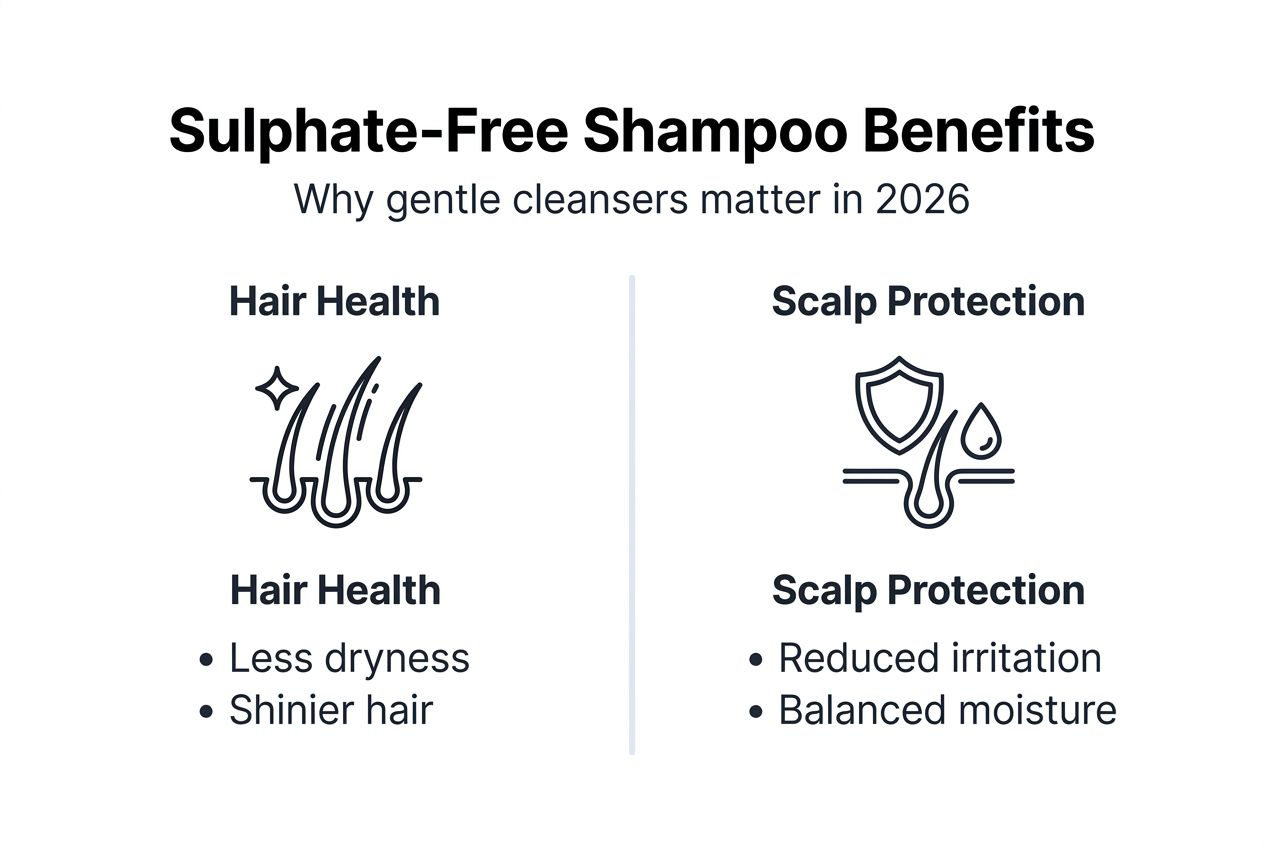
Pro tip: Prioritise sulphate-free shampoos combining mild cleansing surfactants with active repair ingredients like biotin, keratin, or argan oil rather than basic formulas that simply exclude sulphates without adding beneficial actives.
Valueable active ingredients include:
- Biotin (vitamin B7) for keratin production and hair strength
- Argan oil providing fatty acids and cuticle smoothing
- Rosemary extract stimulating scalp circulation and growth
- Keratin proteins rebuilding damaged hair structure
- Panthenol (pro-vitamin B5) for moisture retention
- Antioxidants protecting against environmental damage
Understanding the advantages of sulphate-free shampoo means recognising how premium formulations deliver measurable improvements in hair density, strength, and scalp comfort through scientifically validated ingredients.
How to transition and choose the right sulphate-free shampoo
Successfully switching to sulphate-free haircare requires a gradual adjustment period as your scalp recalibrates oil production and hair adapts to gentler cleansing. Research indicates transitioning to sulphate-free shampoo requires gradual adjustment, with optimal scalp improvements seen after 6 weeks. During this transition, you might notice increased oiliness or different texture as your sebaceous glands reduce the overproduction triggered by harsh sulphates.
Begin by alternating sulphate-free shampoo with your current product every other wash, gradually increasing frequency over 4-6 weeks until you’ve completely transitioned. This approach minimises shock to your scalp and allows time for natural oil balance to restore. Some women experience temporary dryness or flatness during week two or three, which typically resolves as hair adjusts to retaining more natural moisture.
Choosing the optimal sulphate-free shampoo involves evaluating multiple factors:
- Identify your hair type and primary concerns (dryness, breakage, thinning, colour protection)
- Review ingredient lists for gentle surfactants and active repair compounds
- Verify clean beauty credentials including cruelty-free and paraben-free certifications
- Consider scalp sensitivity and select formulas with anti-inflammatory botanicals if needed
- Start with trial sizes to test texture and performance before committing to full bottles
- Monitor hair and scalp response over 6 weeks, adjusting product choice if concerns persist
Your hair’s response provides the best guidance for product selection. Notice improvements in scalp comfort, reduced breakage, enhanced shine, and easier styling as indicators you’ve found the right match. Women with fine hair often prefer lightweight formulas with volumising ingredients, whilst those with thick, coarse hair benefit from moisture-rich options containing oils and butters.
Following a structured guide on how to transition to sulphate-free haircare naturally ensures you navigate the adjustment period successfully and maximise the long-term benefits of gentler, more effective cleansing.
Experience premium sulphate-free haircare with LUXEVA
Transitioning to sulphate-free haircare becomes effortless when you choose formulas designed for both efficacy and scalp wellness. LUXEVA’s approach combines scientific rigour with clean beauty principles, delivering results you can see and feel from the first wash.

The LUXEVA 3-in-1 biotin & rosemary shampoo exemplifies premium sulphate-free haircare, blending gentle coconut-derived cleansers with clinically proven actives. Biotin strengthens each strand whilst rosemary extract stimulates scalp circulation, supporting natural growth cycles. This cruelty-free formula excludes harsh sulphates, parabens, and synthetic fragrances, aligning with your values for ethical beauty without compromising performance. Women with sensitive scalps appreciate the reduced irritation, whilst those seeking hair repair notice improved density and reduced breakage within weeks. Experience the difference that thoughtfully formulated, science-backed sulphate-free haircare makes in your daily routine.
What are sulphates in shampoo and why are they controversial?
Sulphates are synthetic detergent compounds that create lather and remove oils, grease, and dirt from hair through aggressive cleansing action. Sodium lauryl sulphate and sodium laureth sulphate rank as the most common types found in conventional shampoos since the mid-20th century. Their controversy stems from documented irritation in 20-30% of users, scalp barrier disruption, and accelerated hair damage including cuticle roughening and protein loss within weeks of regular use.
Health-conscious consumers also raise environmental concerns, as sulphates persist in water systems and can harm aquatic life. The clean beauty movement has amplified scrutiny of sulphates alongside parabens and other synthetic additives, pushing brands towards gentler alternatives. This controversy doesn’t mean sulphates are universally harmful, but rather that many women experience better hair health outcomes using sulphate-free alternatives that clean effectively without the associated irritation and damage risks.
Will sulphate-free shampoos foam as much as regular shampoos?
Sulphate-free shampoos produce satisfying foam using plant-based surfactants, though lather volume may measure approximately 10% less than traditional sulphate formulas. This slight reduction doesn’t impact cleaning effectiveness, as foam abundance doesn’t correlate directly with dirt removal capability. Modern coconut and sugar-derived cleansers create sufficient lather for thorough scalp massage and hair cleansing whilst maintaining gentler chemical profiles.
Your sensory expectations might require brief adjustment, particularly if you equate rich foam with cleanliness. Research confirms foam quantity and cleaning power are separate properties, with sulphate-free options matching 95-98% of sulphate shampoo efficacy despite producing moderately less lather. Focus on how your hair feels after washing rather than foam volume during washing, as clean, healthy hair matters more than abundant bubbles.
How long does it take to see hair health benefits after switching to sulphate-free shampoo?
Most women notice initial improvements in scalp comfort and reduced irritation within 2-3 weeks of switching to sulphate-free formulas. However, significant hair health benefits including improved moisture retention, reduced breakage, and enhanced shine typically emerge after 4-6 weeks of consistent use as your scalp rebalances oil production and hair adjusts to gentler cleansing.
Clinical studies demonstrate optimal results appear around the 6-week mark when scalp barrier function fully restores and hair shafts retain more natural proteins. Don’t expect overnight transformation, as hair repair occurs gradually through each growth cycle. Women transitioning from heavily damaged hair may require 8-12 weeks to observe substantial improvements in hair density, strength, and overall appearance. Patience and consistency deliver the best long-term outcomes, particularly when combining sulphate-free cleansing with nourishing treatments and protective styling practices.