


Most advice about switching your routine overlooks one surprising fact: the average British shopper uses at least four different hair products every week. The choices you make with your haircare routine can directly affect the health and appearance of your hair. Understanding each step of your current approach provides the foundation needed to make a smooth, confident transition to sulfate-free haircare that genuinely supports your unique needs.
Table of Contents
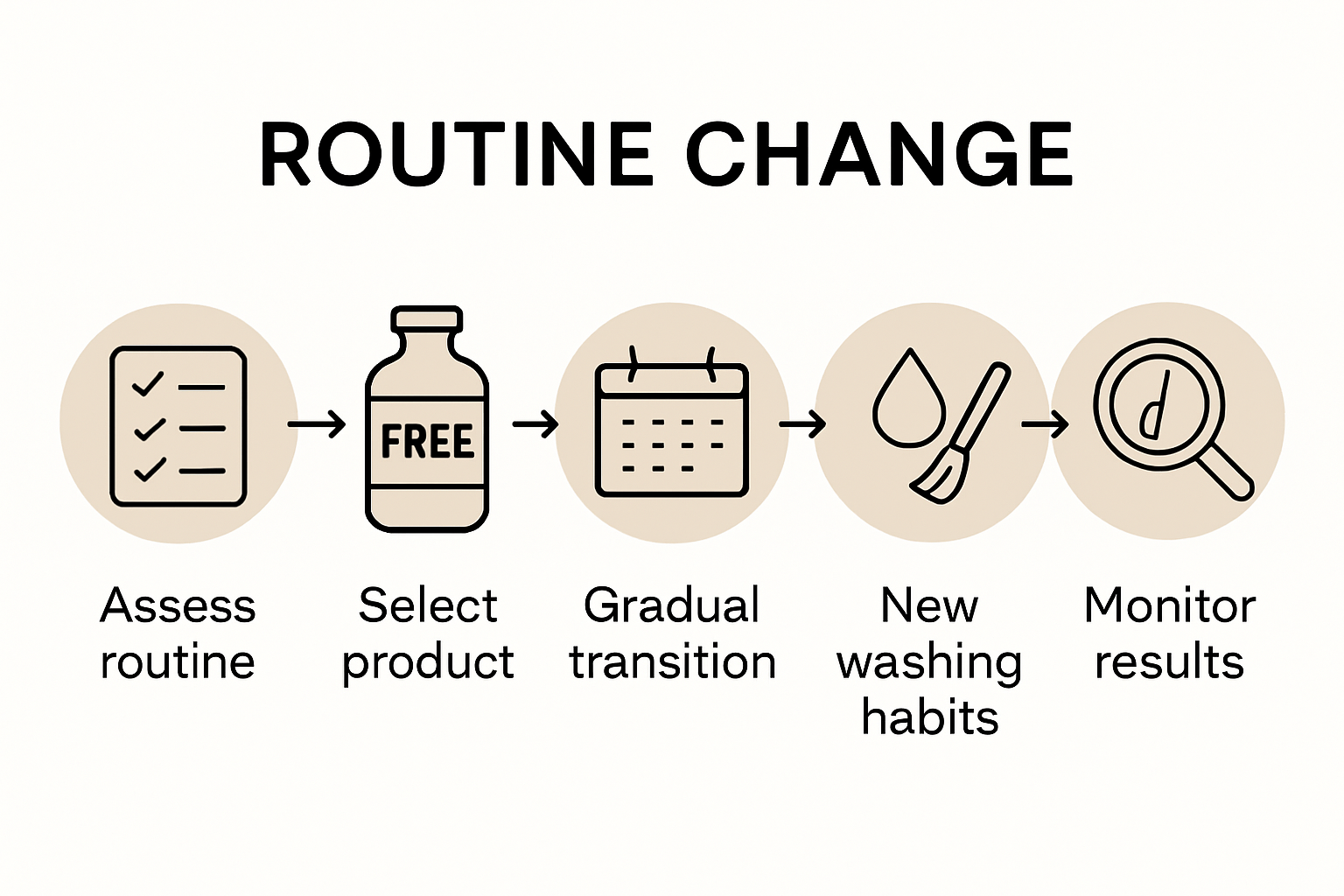
- 1: Assess Your Current Haircare Routine
- 2: Select Suitable Sulfate-Free Products
- 3: Introduce Sulfate-Free Products Gradually
- 4: Adapt Your Washing and Styling Habits
- 5: Monitor Hair Health Improvements
Quick Summary
| Key Insight | Explanation |
|---|---|
| 1. Assess your current routine | Review your haircare habits to identify damaging practices and areas for improvement before switching to sulfate-free products. |
| 2. Choose suitable sulfate-free products | Examine product labels carefully for sulfate-free indicators, focusing on natural ingredients that match your hair type and concerns. |
| 3. Introduce changes gradually | Replace one product at a time, starting with shampoo, to allow your hair to adjust without overwhelming it during the transition. |
| 4. Adapt washing and styling habits | Reduce washing frequency to two to three times weekly, and employ gentler techniques to maintain hair health during the transition. |
| 5. Monitor hair health improvements | Document changes in your hair’s condition regularly to track improvements and determine if professional advice is needed. |
1: Assess your current haircare routine
Transitioning to sulfate-free haircare starts with understanding your existing hair routine and identifying areas for improvement. Healthline’s comprehensive guide suggests carefully evaluating your current practices to create a tailored approach that supports your hair’s unique needs.
Begin by examining your washing frequency, product selections, and styling techniques. Look closely at how often you shampoo, the ingredients in your current products, and the tools or heat styling methods you regularly use. Track whether these practices are contributing to hair damage, dryness, or scalp irritation. Pay special attention to signs like excessive frizz, breakage, or scalp sensitivity which might indicate your current routine needs refinement.
A practical tip is to document your current routine for two weeks. Create a simple hair diary noting washing frequency, product types, styling methods, and how your hair feels after each treatment. This detailed observation will help you pinpoint exactly where sulfate-free alternatives might benefit your hair’s health and appearance. By establishing a clear baseline, you can make informed decisions about transitioning to gentler, more nourishing haircare practices.
Next, you will explore selecting appropriate sulfate-free products that match your specific hair type and concerns.
2: Select suitable sulfate-free products
Selecting the right sulfate-free products requires careful consideration of your specific hair type and individual needs. Technical specifications for identifying sulfate-free formulations highlight the importance of understanding ingredient lists and product compatibility.
Start by examining product labels thoroughly. Look for explicit sulfate-free indicators such as terms like ‘sodium lauryl sulfate-free’, ‘no harsh detergents’, or products specifically marketed as gentle cleansing solutions. Pay particular attention to the first five ingredients, which typically represent the product’s primary composition. Natural ingredients like coconut-derived cleansers, aloe vera, glycerin, and botanical extracts often signal a gentler formulation that will support your hair’s natural moisture balance.
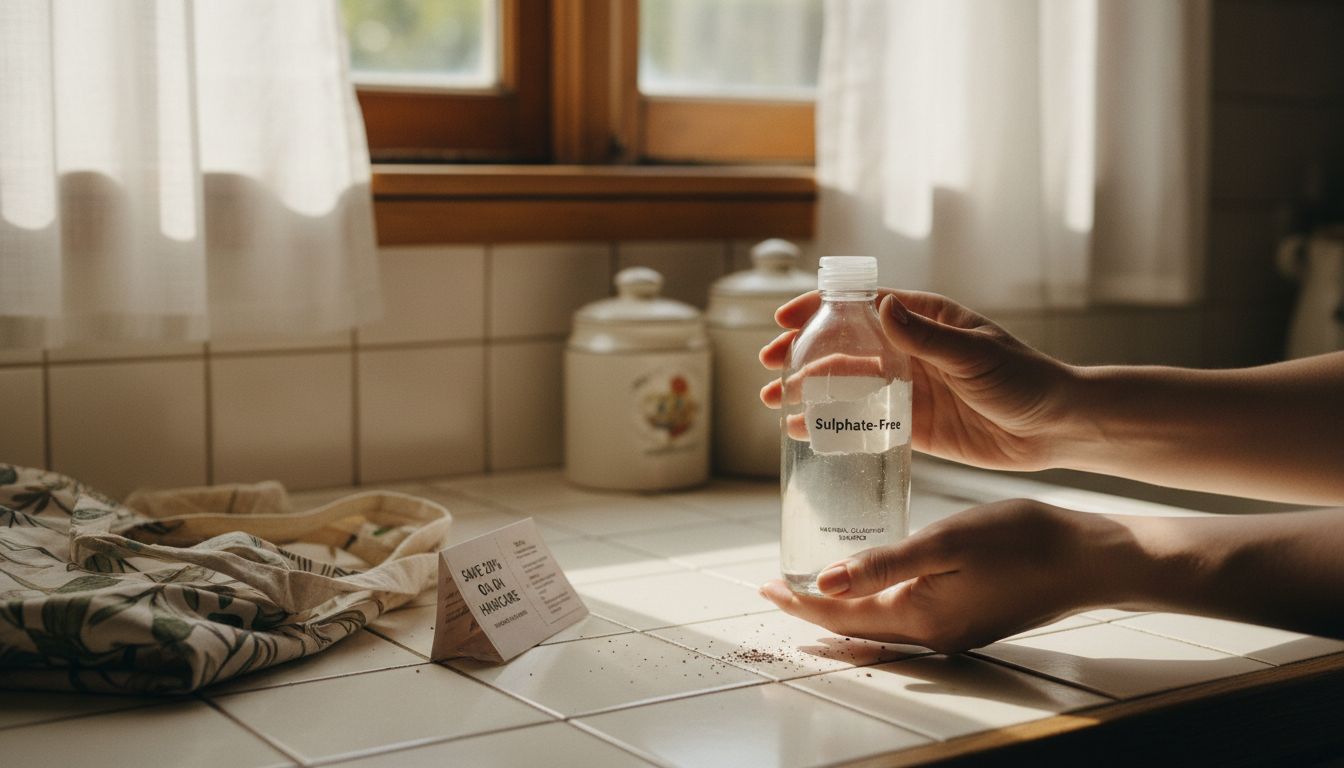
Consider your unique hair texture and concerns when selecting sulfate-free alternatives. Fine hair might benefit from lightweight, protein-enriched formulations, while thicker or curly hair often requires more moisturising products with ingredients like argan oil, shea butter, or keratin. Conduct patch tests with new products and introduce them gradually to minimise potential scalp sensitivity or adverse reactions. By taking a methodical approach to product selection, you can ensure a smooth transition to sulfate-free haircare that nurtures your hair’s health and appearance.
Next, you will learn about the proper application techniques for your new sulfate-free products.
3: Introduce sulfate-free products gradually
Consumer research on transitioning to sulfate-free hair products emphasises the importance of a careful and measured approach when introducing new haircare formulations. Gradually incorporating sulfate-free products allows your scalp and hair to adapt naturally, minimising potential disruption to your existing hair health routine.
Begin by replacing one product at a time rather than overhauling your entire haircare regimen simultaneously. Start with your shampoo, using the sulfate-free alternative once or twice per week initially, while continuing to use your existing products for the remaining washes. Monitor how your hair responds during this transition period. You might notice changes in texture, oil production, or overall hair feel as your scalp adjusts to the new cleansing method.
Pay close attention to your hair’s response throughout the transition. Some individuals experience a brief adjustment period where hair might feel different temporary changes in volume or texture are normal. Scientific studies on sulfate-free product introduction recommend allowing at least four to six weeks for your hair to fully adapt to the new routine. If you experience persistent scalp irritation or significant changes in hair condition, consult a professional trichologist who can provide personalised guidance.
Next, you will learn how to maintain and optimise your new sulfate-free haircare approach.
4: Adapt your washing and styling habits
Establishing a personalised hair care routine requires carefully reconsidering your existing washing and styling techniques when transitioning to sulfate-free products. Understanding how to modify your approach will ensure your hair remains healthy and vibrant during this transformation.
Reduce washing frequency and embrace gentler techniques. Instead of daily shampooing, aim to wash your hair two to three times per week using lukewarm water. When cleansing, focus on massaging the scalp rather than aggressively scrubbing. Use fingertips to distribute sulfate-free products evenly, allowing natural oils to nourish your hair from root to tip. Healthline recommends limiting heat styling and protecting hair during thermal treatments by using lower temperature settings and applying a heat protection serum before styling.
Pay special attention to your hair’s unique responses during this transition. Some hair types might require additional moisture or protein treatments to maintain balance. Consider using a microfibre towel for drying to reduce friction and prevent unnecessary damage. Air drying when possible will help maintain your hair’s natural texture and support the healing process as you move towards a more natural haircare approach.
Next, you will explore how to maintain and sustain your new sulfate-free haircare routine.
5: Monitor hair health improvements
Advanced trichological assessment techniques suggest systematic monitoring is crucial when transitioning to sulfate-free haircare. Understanding how to track your hair’s progress will help you make informed decisions about your new routine.
Establish a comprehensive observation protocol by documenting your hair’s condition through regular photographs and detailed notes. Capture images under consistent lighting every two weeks to track changes in shine, volume, texture, and overall appearance. Pay attention to specific indicators such as reduced breakage, improved scalp health, enhanced natural hair texture, and increased moisture retention. Note any changes in hair elasticity, growth rate, and the presence or reduction of split ends.
Consider creating a simple tracking journal that records washing frequency, product responses, and your hair’s visual and tactile characteristics. Journal methodologies for evaluating hair treatment interventions recommend maintaining consistent documentation to understand long-term improvements. If you notice persistent issues or unexpected changes, consult a professional trichologist who can provide personalised guidance and help you refine your sulfate-free haircare strategy.
Next, you will learn about maintaining your newly established sulfate-free haircare routine.
Embrace the Natural Shift to Sulfate-Free Haircare with LUXEVA
Transitioning to sulfate-free haircare can be challenging as you learn to adapt your routine and discover products that truly nourish your hair without harsh chemicals. Many experience scalp sensitivity, dryness, or frustration during this adjustment period. At LUXEVASTORE.com, we understand these concerns and offer expertly curated solutions designed to ease your transition with clean, scientifically-backed ingredients like argan oil and biotin. Our Sulphate Free Shampoo Sets: Elevate Your Haircare Ritual with LUXEVA are crafted to protect your scalp and enhance natural hair vitality while reducing frizz and breakage.

Begin your sulfate-free journey with confidence by exploring our Scalp & Haircare Sets – LUXEVA that support gentle cleansing and deep hydration. Every product promises cruelty-free formulations that balance nature and science, helping you regain shine, softness, and strength. Don’t wait for your hair to suffer longer—take the first step today at LUXEVASTORE.com and transform your haircare routine into a luxurious, nourishing experience.
Frequently Asked Questions
How do I assess my current haircare routine when transitioning to sulfate-free haircare?
To assess your current haircare routine, evaluate your washing frequency, product selection, and styling techniques. Document your practices for two weeks to identify areas that may need improvement, focusing on how your hair feels after each treatment.
What should I look for when selecting suitable sulfate-free products?
When choosing sulfate-free products, examine labels for terms like ‘sodium lauryl sulfate-free’ or ‘no harsh detergents’. Pay attention to the first five ingredients and opt for formulations with natural ingredients that suit your hair type, such as coconut-derived cleansers for moisture balance.
How can I gradually introduce sulfate-free products into my haircare routine?
Introduce sulfate-free products slowly by replacing one product at a time, starting with shampoo. Use the new shampoo once or twice a week while keeping your other products for the rest, allowing your hair several weeks to adjust to the change.
What modifications should I make to my washing and styling habits after switching to sulfate-free products?
Modify your washing habits by reducing the frequency to two or three times per week and using lukewarm water. Focus on gently massaging your scalp instead of scrubbing and consider using lower heat settings when styling to protect your hair.
How can I monitor improvements in my hair health after making the transition?
To monitor your hair health, document changes by taking photographs every two weeks and writing notes on texture, shine, and moisture retention. Assess specific indicators like reduced breakage and improved scalp health to understand your hair’s progress over time.
What should I do if I notice persistent issues or unexpected changes during my transition?
If you experience ongoing issues or unexpected changes in your hair condition, consult a professional trichologist for personalised advice. They can assist you in refining your sulfate-free haircare strategy to better suit your hair’s needs.