


Have you invested in premium shampoos only to find your hair dry, brittle, and unmanageable? The culprit might be sulfates, harsh detergents that strip your hair’s natural oils and irritate sensitive scalps. This guide explains how switching to sulfate-free haircare with natural, ethical ingredients can transform your hair health. You’ll learn what sulfates are, the benefits of sulfate-free products, practical usage routines, and realistic outcomes you can expect within weeks.
Table of Contents
- Understanding Sulfates And Their Effects
- Why Switch To Sulfate-Free Haircare?
- Natural Ingredients That Repair And Nourish
- Prerequisites: What You Need Before Starting Sulfate-Free Haircare
- Step-By-Step Sulfate-Free Haircare Routine
- Troubleshooting Common Mistakes
- Expected Outcomes And Timelines
- Cost And Ethical Considerations In Product Selection
- Luxeva’s Premium Sulfate-Free Haircare Solutions
- Frequently Asked Questions
Key takeaways
| Point | Details |
|---|---|
| Sulfates cause damage | These harsh detergents strip natural oils, leading to dryness and scalp irritation in sensitive users. |
| Sulfate-free products retain moisture | Most users see reduced breakage and improved manageability within 6 to 8 weeks of consistent use. |
| Natural ingredients support repair | Argan oil, biotin, rosemary, and mint nourish hair, improve elasticity, and enhance thickness over time. |
| Transition period is normal | Expect 2 to 3 weeks of adjustment where your scalp adapts to gentler cleansing surfactants. |
| Choose certified products | Verify sulfate-free and cruelty-free labels to ensure safety, efficacy, and ethical sourcing. |
Understanding sulfates and their effects
Sulfates are detergents commonly found in conventional shampoos, with sodium lauryl sulfate being the most prevalent. These chemicals create the rich lather you associate with effective cleansing, but they come at a cost. Sulfates like sodium lauryl sulfate cause dryness and irritation on scalp and hair, stripping away the natural oils that protect and nourish your strands.
The impact goes beyond surface dryness. These harsh cleansing agents damage hair cuticles, the protective outer layer of each strand, making hair vulnerable to breakage and environmental stress. Your scalp’s natural barrier function weakens, leading to sensitivity and inflammation. Scientific evidence demonstrates that at least 20 to 30% of users with sensitive scalps report irritation directly linked to sulfate-containing products.
The negative effects include:
- Stripping natural sebum that moisturises hair and scalp
- Damaging the protective cuticle layer causing roughness and tangling
- Triggering irritation, redness, and flaking in sensitive individuals
- Accelerating colour fade in treated hair
- Disrupting scalp pH balance leading to dryness or excess oil production
Understanding these harmful effects of sulfates empowers you to make informed choices about your haircare routine. The good news? Switching to sulfate-free alternatives addresses these issues while maintaining effective cleansing.
Why switch to sulfate-free haircare?
Sulfate-free products use gentler surfactants that clean effectively without stripping your hair’s essential oils. This preservation of natural moisture transforms hair health, particularly for those with dry, damaged, colour-treated hair or sensitive scalps. The benefits of sulfate-free shampoo extend beyond immediate comfort to long-term hair quality improvements.
Research shows compelling results. 70% of users report improved hair manageability and reduced breakage within 6 to 8 weeks of consistent sulfate-free use. These gentler formulations maintain your scalp’s natural pH and barrier function, reducing inflammation and supporting healthy hair growth from the root.
The advantages include:
- Enhanced moisture retention for softer, more hydrated hair
- Reduced breakage and split ends due to strengthened hair structure
- Gentler cleansing that preserves colour vibrancy in treated hair
- Less scalp irritation, redness, and sensitivity
- Improved manageability with reduced frizz and tangling
- Support for natural oil balance preventing both dryness and greasiness
For women seeking premium haircare solutions, sulfate-free products align with both effectiveness and ethical values. The formulations typically incorporate natural ingredients that nourish rather than damage, creating a foundation for genuine hair repair. Evidence supporting sulfate-free benefits continues to grow as more users experience measurable improvements in hair quality and scalp health.
Natural ingredients that repair and nourish
Premium sulfate-free haircare harnesses scientifically-backed natural ingredients to repair damage and enhance hair health. These botanicals and nutrients work synergistically to address specific hair concerns whilst maintaining ethical and sustainable sourcing standards.
Argan oil stands out as a powerhouse ingredient. Argan oil improves hair elasticity and moisture retention by 25% after 4 weeks of regular use. Rich in vitamin E and fatty acids, it penetrates the hair shaft to strengthen from within whilst smoothing the cuticle for enhanced shine.
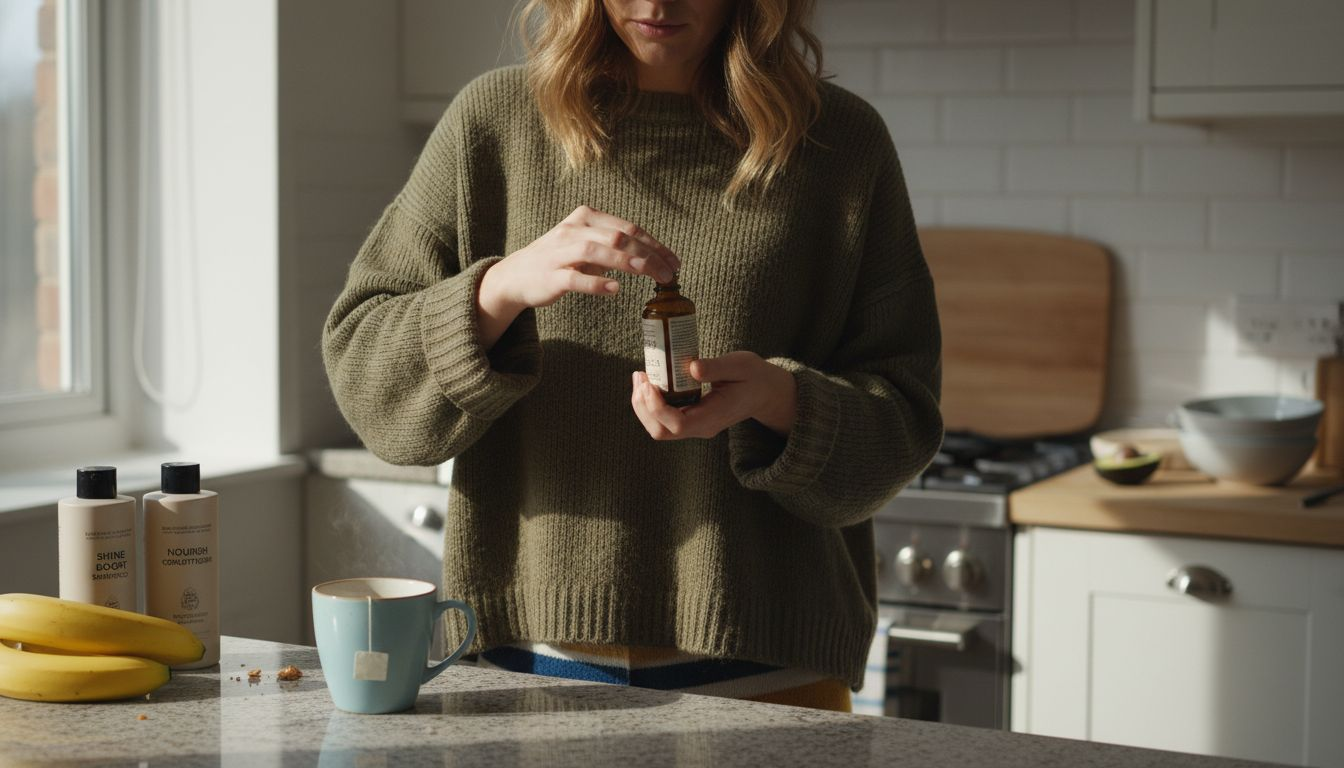
Biotin, a B-vitamin essential for keratin production, supports follicle health and hair thickness. Biotin stimulates hair follicle health, improving thickness by up to 10% over 3 months. This nutrient addresses thinning hair concerns by fortifying existing strands and promoting healthier new growth.
Rosemary and mint extracts offer dual benefits for scalp and hair. These botanicals improve scalp circulation and reduce dandruff whilst providing a refreshing sensory experience. Enhanced blood flow to follicles delivers more nutrients, supporting stronger, healthier hair growth.
| Ingredient | Primary Benefit | Typical Results Timeline |
|---|---|---|
| Argan oil | Moisture retention and elasticity | 25% improvement in 4 weeks |
| Biotin | Thickness and follicle health | 10% increase in 3 months |
| Rosemary extract | Scalp circulation and growth | Noticeable in 6 to 8 weeks |
| Mint extract | Scalp soothing and freshness | Immediate to 2 weeks |
| Caviar proteins | Repair and anti-ageing | Visible in 4 to 6 weeks |
Pro Tip: Always verify that ingredients carry proper certifications such as organic, cruelty-free, or fair-trade labels to ensure product authenticity and ethical sourcing.
These natural hair repair ingredients work best when combined in comprehensive formulations that address multiple hair concerns simultaneously. The clinical evidence for argan oil and other botanicals demonstrates measurable improvements that justify the premium positioning of quality sulfate-free products.
Prerequisites: what you need before starting sulfate-free haircare
Successful transition to sulfate-free haircare requires proper preparation and realistic expectations. Understanding what to anticipate and how to select appropriate products ensures you achieve optimal results without frustration.
First, assess your current hair and scalp condition honestly. Note areas of damage, dryness, sensitivity, or specific concerns like colour-treated hair or dandruff. This assessment guides your product selection, ensuring you choose formulations with ingredients targeting your unique needs.
Product selection demands careful scrutiny. Look for verified sulfate-free and cruelty-free certifications on labels, as approximately 15% of products marketed as sulfate-free contain alternative harsh sulfates like ammonium lauryl sulfate. Authentic premium products clearly list gentle surfactants such as coco-glucoside or decyl glucoside alongside beneficial natural ingredients.
Prepare mentally for an adjustment period. Your scalp has adapted to harsh sulfates by potentially overproducing oil to compensate for stripping. When you switch to gentler cleansing, it takes 2 to 3 weeks for sebum production to rebalance. During this time, hair might feel different, perhaps slightly heavier or drier, as your scalp recalibrates.
Key preparation steps:
- Document your current hair condition with photos to track improvements
- Research products with ingredients matching your specific hair type and concerns
- Verify certifications and read ingredient lists thoroughly
- Adjust washing frequency, reducing to 2 to 3 times weekly initially
- Purchase a quality conditioner and weekly treatment alongside your shampoo
- Plan your transition during a period when you can manage any temporary changes
Understanding the transition process to sulfate-free haircare sets realistic expectations and prevents premature abandonment of your new routine. Patience during the initial weeks pays dividends as your hair health improves steadily.
Step-by-step sulfate-free haircare routine
Implementing a proper sulfate-free routine maximises the benefits of natural ingredients whilst supporting your hair’s transition to gentler cleansing. Follow these steps consistently for optimal results.
-
Assess and select your products carefully. Choose a sulfate-free shampoo and conditioner formulated with natural ingredients matching your hair type. For dry hair, prioritise argan oil and biotin formulations. For scalp concerns, select rosemary and mint extracts. Read labels to confirm genuinely sulfate-free formulations.
-
Shampoo strategically 2 to 3 times per week. Wet hair thoroughly with lukewarm water. Apply a small amount of shampoo, focusing primarily on your scalp rather than hair lengths. Massage gently with fingertips, not nails, to cleanse without irritation. The gentler sulfate-free formula produces less lather, which is normal and doesn’t indicate reduced effectiveness.
-
Condition thoroughly from mid-length to ends. After rinsing shampoo completely, apply conditioner generously to hair lengths, avoiding the scalp unless specified for your product. Leave on for the recommended time, typically 2 to 5 minutes, allowing ingredients to penetrate. Rinse with cool water to seal the cuticle and enhance shine.
-
Incorporate weekly nourishing treatments. Use a deep conditioning mask or oil treatment once weekly for added repair and hydration. Apply to damp hair, focusing on damaged areas, and leave on for 10 to 20 minutes. These intensive treatments support natural hair repair by delivering concentrated nutrients.
-
Dry and style gently to preserve integrity. Pat hair gently with a microfibre towel rather than rubbing vigorously. Minimise heat styling; when necessary, use heat protectant products and lower temperature settings. Air drying whenever possible preserves moisture and reduces damage.
Pro Tip: Consistency is absolutely crucial for visible improvement within 6 to 8 weeks. Mark your calendar to track progress and resist the temptation to switch products prematurely.
This transition routine works synergistically with biotin hair care steps to deliver comprehensive hair health improvements. For product recommendations, explore our guide to the best sulfate-free shampoos to find formulations suited to your specific needs.
Troubleshooting common mistakes
Even with the best intentions, certain missteps can hinder your sulfate-free haircare success. Recognising and correcting these common errors ensures you achieve the hair health improvements you seek.
Over-washing remains the most frequent mistake. The gentler cleansing of sulfate-free products means you likely need to wash less frequently than with conventional shampoos. Limit shampooing to 2 to 3 times weekly, allowing your scalp’s natural oils to nourish hair between washes. Daily washing, even with sulfate-free products, can still strip moisture.
Hidden sulfates undermine many well-intentioned switches. Approximately 15% of products labelled sulfate-free contain alternative sulfates such as ammonium lauryl sulfate or sodium coco sulfate, which can cause similar irritation. Always read the complete ingredient list, not just marketing claims on the front label.
Expecting immediate perfection sets you up for disappointment. The initial 2 to 3 weeks often involve an adjustment period where hair feels different as your scalp rebalances oil production. This temporary phase is normal and necessary. Continuing your routine consistently through this period leads to the improvements you seek.
Key mistakes to avoid:
- Washing hair daily instead of reducing frequency to 2 to 3 times weekly
- Trusting front-label claims without checking complete ingredient lists
- Abandoning your routine during the normal adjustment period
- Applying shampoo to hair lengths rather than focusing on the scalp
- Using insufficient conditioner on dry, damaged hair
- Resuming harsh heat styling without protective products
If you experience persistent dryness beyond the initial adjustment, increase conditioning treatments and incorporate nourishing oils. Understanding what sulfate-free truly means helps you identify genuine products and avoid common pitfalls that prevent success.
Expected outcomes and timelines
Setting realistic expectations about timing and measurable improvements helps you stay committed to your sulfate-free routine long enough to see genuine results. Most benefits accumulate gradually as your hair health improves from root to tip.
The majority of users observe noticeable improvements in hair manageability and strength after 6 to 8 weeks of consistent use. This timeline reflects the natural hair growth cycle and the time required for damaged hair to be replaced by healthier new growth nourished by your improved routine.
70% of users report improved hair manageability and reduced breakage within 6 to 8 weeks of consistent sulfate-free product use, demonstrating the reliability of this approach for most hair types.
Specific ingredients deliver measurable improvements within documented timeframes. Argan oil contributes to enhanced elasticity and moisture retention, with users typically seeing 25% improvement after 4 weeks. Biotin supports gradual thickness increases, with up to 10% improvement observable over 3 months of regular use.
| Timeline | Expected Improvements | Measurable Changes |
|---|---|---|
| 2 to 3 weeks | Scalp adjustment, reduced irritation | Less redness, balanced oil production |
| 4 to 6 weeks | Improved moisture, easier styling | 25% increase in elasticity with argan oil |
| 6 to 8 weeks | Reduced breakage, better manageability | 70% of users report noticeable improvements |
| 3 months | Increased thickness, overall hair health | Up to 10% thickness increase with biotin |
| 6 months | Maximum benefits, sustained improvements | Healthiest hair with continued routine |
Track your progress by taking photos monthly and noting changes in breakage, shine, and styling ease. The research on sulfate-free outcomes demonstrates that patient, consistent use delivers the most significant and lasting improvements. Remember, you’re repairing damage accumulated over months or years, so allow adequate time for your hair to recover fully.
Cost and ethical considerations in product selection
Premium sulfate-free haircare represents an investment in both hair health and ethical consumption. Understanding pricing expectations and certification standards helps you make informed purchasing decisions aligned with your values.
Authentic premium sulfate-free products typically range from £15 to £30 per bottle, reflecting higher-quality natural ingredients, ethical sourcing, and cruelty-free testing practices. Whilst this exceeds conventional shampoo prices, the concentration of beneficial ingredients and reduced frequency of washing often means products last longer than expected.
Ethical certifications matter significantly for UK consumers increasingly concerned about environmental and animal welfare impacts. Look for verified cruelty-free symbols such as the Leaping Bunny or PETA certifications, which guarantee no animal testing at any production stage. Organic certifications ensure ingredients are grown without harmful pesticides, whilst fair-trade labels confirm ethical sourcing that supports farming communities.
The cost versus benefit analysis favours premium products when you consider:
- Higher concentration of active ingredients delivering measurable results
- Reduced need for additional treatments to address damage from harsh products
- Longer-lasting effects requiring less frequent washing
- Supporting sustainable practices that reduce environmental harm
- Alignment with cruelty-free values increasingly important to conscious consumers
- Investment in long-term hair health rather than temporary cosmetic fixes
Supporting ethical brands advances broader industry standards, encouraging more companies to adopt sustainable, cruelty-free practices. Your purchasing decisions collectively drive positive change in beauty industry standards, making premium ethical products more accessible over time as demand grows.
Luxeva’s premium sulfate-free haircare solutions
Ready to transform your hair health with scientifically-backed, ethically-sourced products? LUXEVA offers a carefully curated selection of sulfate-free shampoos and conditioners infused with the natural ingredients you’ve learned about: argan oil for elasticity, biotin for thickness, and rosemary and mint extracts for scalp health.

Our formulations are completely cruelty-free and ethically sourced, aligning with your values whilst delivering the premium quality your hair deserves. Each product combines nature with science, providing the gentle yet effective cleansing that supports genuine hair repair and long-term health improvements.
Explore our detailed guides on how to care for scalp and natural hair, and review our comprehensive natural hair repair checklist to maximise your results. Our collections include complete ritual sets designed to address specific hair concerns, making it simple to build an effective routine.
Visit LUXEVASTORE.com today to discover premium sulfate-free solutions that deliver the healthy, beautiful hair you’ve been seeking. Your hair health journey begins with the right products and the knowledge to use them effectively.
Frequently asked questions
What are sulfates and why should I avoid them?
Sulfates are harsh detergents, primarily sodium lauryl sulfate, used in conventional shampoos to create lather and remove oils. They strip your hair’s natural protective oils, damage the cuticle layer, and can irritate sensitive scalps, causing dryness, breakage, and inflammation. Avoiding sulfates preserves moisture and supports healthier hair.
How long does it take to see results from sulfate-free haircare?
Most users notice improvements in hair manageability and reduced breakage within 6 to 8 weeks of consistent use. Initial benefits like reduced scalp irritation appear within 2 to 3 weeks. Specific ingredients like argan oil show measurable improvements in elasticity within 4 weeks, whilst biotin enhances thickness over 3 months.
Will my hair feel different when I first switch to sulfate-free products?
Yes, expect a 2 to 3 week adjustment period as your scalp rebalances oil production. Hair might feel slightly heavier or different in texture as it adapts to gentler cleansing. This temporary phase is normal and necessary for your scalp to stop overcompensating for harsh sulfate stripping.
How can I identify truly sulfate-free products?
Read the complete ingredient list, not just front-label marketing claims. Avoid products containing sodium lauryl sulfate, sodium laureth sulfate, ammonium lauryl sulfate, or sodium coco sulfate. Look for gentle surfactants like coco-glucoside or decyl glucoside, and verify cruelty-free certifications to ensure authenticity.
What natural ingredients should I look for in sulfate-free haircare?
Prioritise argan oil for moisture retention and elasticity, biotin for thickness and follicle health, and rosemary and mint extracts for scalp circulation and health. These scientifically-backed ingredients deliver measurable improvements: argan oil increases elasticity by 25% in 4 weeks, whilst biotin improves thickness by up to 10% over 3 months.