


Brittle hair is not simply dry hair. It is a complex structural breakdown where mechanical stress, chemical processing, and environmental exposure disrupt the disulfide, hydrogen, and ionic bonds that give keratin its tensile strength. Many women mistakenly treat brittleness with surface moisturisers alone, overlooking the internal bond damage that causes strands to snap under minimal tension. This guide explores the science behind brittle hair, reviews bond-building and natural repair treatments, and provides practical care strategies tailored for UK women seeking cruelty-free, premium solutions to restore hair health and resilience.
Table of Contents
- Key takeaways
- Understanding brittle hair and what causes it
- How bond-building treatments repair and strengthen brittle hair
- Natural and cruelty-free solutions for promoting hair health
- Practical tips for caring for brittle hair daily
- Discover premium cruelty-free hair care products at Luxeva
- Frequently asked questions
Key Takeaways
| Point | Details |
|---|---|
| Bond damage types | Brittle hair results from mechanical, chemical, thermal and environmental damage that disrupts disulfide, hydrogen and ionic bonds, reducing tensile strength. |
| Surface moisturisers alone | Many women treat brittleness with surface moisturisers, overlooking internal bond damage that causes strands to snap under minimal tension. |
| Bond building repair | Bond building treatments repair disulfide bonds to restore strength and shine. |
| Natural cruelty free botanicals | Natural cruelty free products use plant oils and proteins for moisture retention and surface hydration. |
| Gentle care with products | Combining gentle care with the right products is key for brittle hair health. |
Understanding brittle hair and what causes it
Brittle hair develops when the protein structure of the hair shaft sustains damage that compromises its mechanical properties. Brittle hair in women results from mechanical, chemical, thermal, and environmental damage disrupting keratin bonds. Each hair strand contains three types of bonds: disulfide bonds, which provide permanent structural integrity; hydrogen bonds, which are temporary and reform after water exposure; and ionic bonds, which contribute to overall stability. When these bonds break or weaken, hair loses its ability to stretch and return to its original shape, leading to stiffness, breakage, and a dull appearance.
Mechanical damage occurs through everyday activities. Aggressive brushing, tight ponytails, and constant manipulation create micro-tears in the cuticle. Over time, these tears accumulate, exposing the cortex and allowing moisture to escape. Chemical damage is particularly destructive. Bleach and permanent dyes break disulfide bonds to alter hair colour or texture, but incomplete reformation during processing leaves hair structurally compromised. Thermal damage from straighteners, curling irons, and blow dryers operating above 180°C denatures keratin proteins, causing irreversible changes to the hair shaft.
Environmental factors compound these issues. Ultraviolet radiation oxidises proteins and lipids in hair, whilst hard water minerals deposit on the cuticle, creating a rough surface that tangles easily. Disulfide bonds are crucial for hair strength; damage increases hair porosity and breakage. High porosity hair absorbs water quickly but cannot retain it, leading to a cycle of swelling and shrinking that further weakens the structure. Common signs of brittle hair include strands that feel stiff or wiry, break easily when stretched, and tangle immediately after washing.
An edge case worth noting is trichorrhexis nodosa, a condition where hair develops small nodules along the shaft that resemble white dots. These nodules represent points of weakness where the hair easily fractures. Whilst this condition can affect any hair type, it is more commonly observed in women with textured hair who use chemical relaxers or excessive heat. Recognising this pattern is important because it requires gentler care and targeted repair strategies beyond standard moisturising treatments. Understanding these varied damage mechanisms helps you select effective damaged hair care natural solutions 2026 that address root causes rather than masking symptoms.
“Hair brittleness is not a single condition but a spectrum of structural compromises, each requiring specific intervention to restore mechanical integrity and aesthetic quality.”
Key damage types include:
- Mechanical stress from brushing, tight hairstyles, and friction against pillowcases
- Chemical processing through bleach, permanent dyes, relaxers, and perms
- Thermal exposure from heat styling tools exceeding safe temperature thresholds
- Environmental assault from UV radiation, pollution, and mineral-laden water
How bond-building treatments repair and strengthen brittle hair
Bond-building treatments represent a significant advancement in hair repair technology. Unlike traditional conditioners that coat the hair surface, these products contain small molecules that penetrate the cortex to chemically repair broken disulfide bonds. Disulfide bonds form between cysteine amino acids in keratin, creating cross-links that give hair its strength and elasticity. When these bonds break, hair loses structural integrity. Bond-builders work by either reconnecting broken bonds or creating new cross-links, effectively reversing damage at the molecular level.
The most studied bond-building systems use bis-aminopropyl diglycol dimaleate or similar compounds. These molecules are small enough to penetrate the cuticle and reach the cortex, where they locate broken disulfide bonds and facilitate their reformation. Bond-building treatments like Olaplex and K18 repair disulfide bonds and reduce frizz, backed by lab and panel tests. Laboratory testing shows these treatments can restore up to 94% of hair’s original strength when used correctly. User panel tests consistently report improvements in manageability, shine, and breakage reduction within three to six applications.
The mechanism differs fundamentally from natural oils, which work primarily through surface hydration and occlusion. Whilst oils seal the cuticle and prevent moisture loss, they cannot repair internal structural damage. Bond-builders address the root cause of brittleness by restoring the protein matrix itself. This makes them particularly effective for hair that has undergone significant chemical processing or heat damage. However, they work best when combined with protective care practices, as continued damage will outpace repair efforts.
| Treatment | Frizz reduction | Strength improvement | Shine enhancement | Applications needed |
|---|---|---|---|---|
| Olaplex No.3 | 68% | 94% bond restoration | Moderate | 1-2 weekly |
| K18 Leave-In | 72% | 91% bond restoration | High | 2-3 weekly |
| Redken Acidic Bonding | 65% | 87% bond restoration | Moderate-High | 1-2 weekly |
| Wellaplex | 63% | 89% bond restoration | Moderate | 2 weekly |
How to use bond-building treatments effectively:
- Start with freshly washed, towel-dried hair to ensure the product can penetrate properly
- Apply the treatment evenly from mid-lengths to ends, avoiding the scalp unless directed
- Leave on for the recommended time, typically 10-30 minutes depending on the product
- Rinse thoroughly with cool water to seal the cuticle and lock in the repair
- Follow with a lightweight conditioner if hair feels dry, but avoid heavy products that might interfere with bond formation
- Limit heat styling to below 180°C and always use a heat protectant to preserve the repaired bonds
Pro tip: Apply bond-building treatments before any chemical service, not just after. Pre-treatment primes the hair to withstand processing and minimises bond breakage during colour or texture services. For maximum benefit, use a bond-builder the night before your salon appointment, then follow your stylist’s post-service care recommendations. This proactive approach can reduce damage by up to 40% compared to post-treatment alone. Between intensive treatments, maintain results with damaged hair repair naturally guide strategies that protect your investment in bond repair.
Natural and cruelty-free solutions for promoting hair health
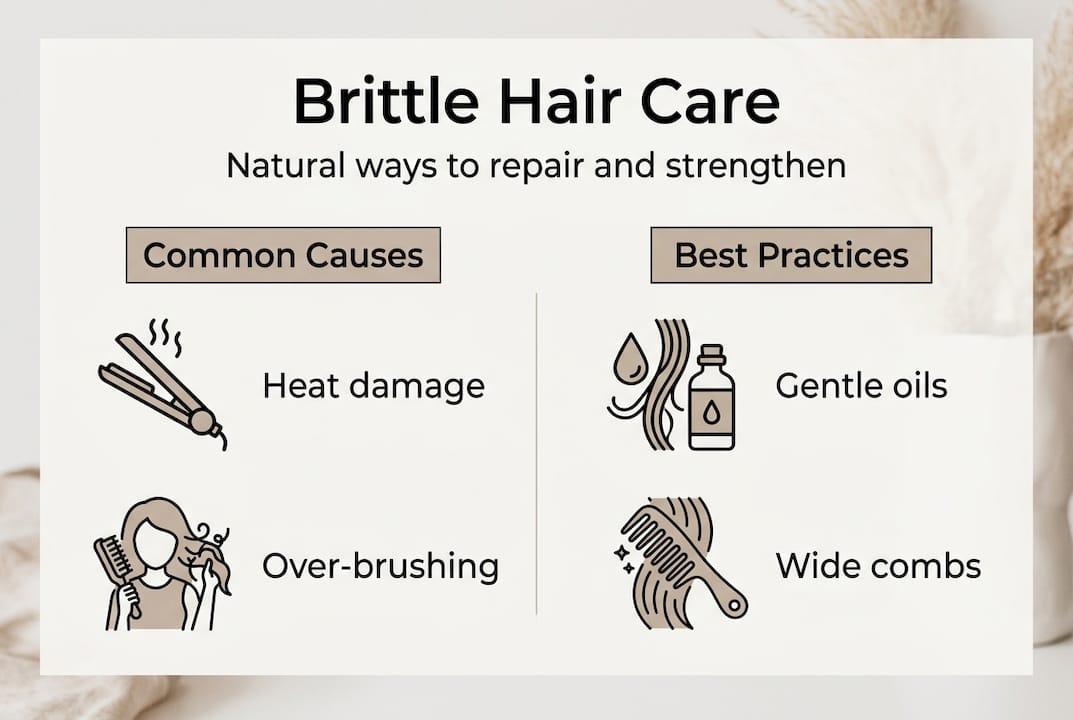
Natural and cruelty-free products offer an ethical alternative for women seeking to improve hair health without synthetic chemicals or animal testing. The UK market has expanded significantly, with brands formulating products around plant-derived oils, proteins, and botanical extracts that address brittleness through surface conditioning and moisture retention. UK natural cruelty-free brands use baobab, marula, oat and quinoa proteins to reduce brittleness and support hair strength. These ingredients work differently from bond-builders, focusing on hydration, cuticle smoothing, and protective film formation rather than internal structural repair.
Key natural ingredients for brittle hair include:
- Baobab oil, rich in omega fatty acids that penetrate the hair shaft and improve elasticity
- Marula oil, containing antioxidants that protect against environmental damage and seal moisture
- Oat protein, which forms a protective film on the cuticle whilst adding strength and body
- Quinoa protein, providing all essential amino acids to reinforce the hair surface
- Coconut oil, with a molecular structure that allows deep penetration and moisture retention
- Argan oil, packed with vitamin E and fatty acids that smooth the cuticle and add shine
These ingredients function through different mechanisms than chemical bond-builders. Oils create an occlusive barrier that prevents water loss and protects against friction and environmental stressors. Proteins temporarily fill gaps in the cuticle, improving smoothness and reducing tangling. Whilst they cannot repair broken disulfide bonds, they excel at maintaining hair health and preventing further damage. For women who prefer plant-based solutions or have sensitivities to synthetic ingredients, natural products provide effective maintenance and gradual improvement in hair condition.
| Brand | Key ingredients | Primary benefit | User-reported results |
|---|---|---|---|
| Faith in Nature | Coconut oil, aloe vera | Deep moisture retention | 82% report softer hair, reduced breakage |
| Tropic Skincare | Baobab, mongongo oil | Cuticle smoothing, shine | 79% notice improved manageability |
| Beauty Kitchen | Oat protein, quinoa | Surface strength, volume | 76% report less fallout, thicker feel |
| Evolve Organic | Marula, chia seed | Antioxidant protection | 81% see reduced split ends |
User reviews consistently highlight improvements in softness, shine, and reduced breakage when using natural products regularly. Many women report that whilst results take longer to appear compared to bond-builders, the benefits feel more sustainable and gentle. Natural oils work particularly well for maintenance between more intensive treatments, providing daily nourishment without overwhelming hair or causing build-up. The cruelty-free certification also appeals to ethically conscious consumers who want their beauty routines to align with their values.
Pro tip: Some natural products require longer rinse times than conventional formulas. Plant oils and proteins can leave residue if not thoroughly removed, leading to limp, greasy hair. After applying a natural mask or deep conditioner, rinse for at least 60 seconds longer than you think necessary, using lukewarm water to help emulsify oils. Follow with a cool water rinse to seal the cuticle and enhance shine. This extra step ensures you get the conditioning benefits without the heaviness. Explore more options through restore dry damaged hair cruelty free remedies 2026 and learn how to reduce hair breakage naturally with targeted ingredient selection.
Practical tips for caring for brittle hair daily
Daily care routines significantly impact brittle hair recovery and long-term health. Combining plant oils and proteins with gentle care routines greatly aids brittle hair health. The goal is to minimise further damage whilst supporting repair processes through consistent, gentle handling. Small adjustments to washing, detangling, and styling habits compound over time, creating conditions where hair can rebuild strength and resilience.
Gentle hair care steps:
- Wet hair thoroughly with lukewarm water before applying shampoo, ensuring even saturation
- Use a sulfate-free shampoo focused on the scalp, avoiding harsh scrubbing on the lengths
- Apply conditioner from mid-lengths to ends, leaving it on for at least two minutes
- Detangle with a wide-tooth comb whilst conditioner is still in the hair, starting from the ends
- Rinse with cool water to close the cuticle and enhance shine
- Gently squeeze excess water with a microfibre towel, never rubbing or wringing hair
- Apply a leave-in treatment or oil to damp hair, focusing on the most damaged areas
- Allow hair to air-dry whenever possible, or use a blow dryer on the lowest heat setting
Heat styling requires particular caution with brittle hair. If you must use hot tools, always apply a heat protectant first and keep temperatures below 180°C. Higher temperatures denature keratin proteins, causing permanent damage that no treatment can fully reverse. Consider alternating between heat styling and protective styles like loose braids or buns that keep hair secure without tension. When using elastics, choose fabric-covered bands without metal components, and avoid pulling hair tight enough to cause discomfort.
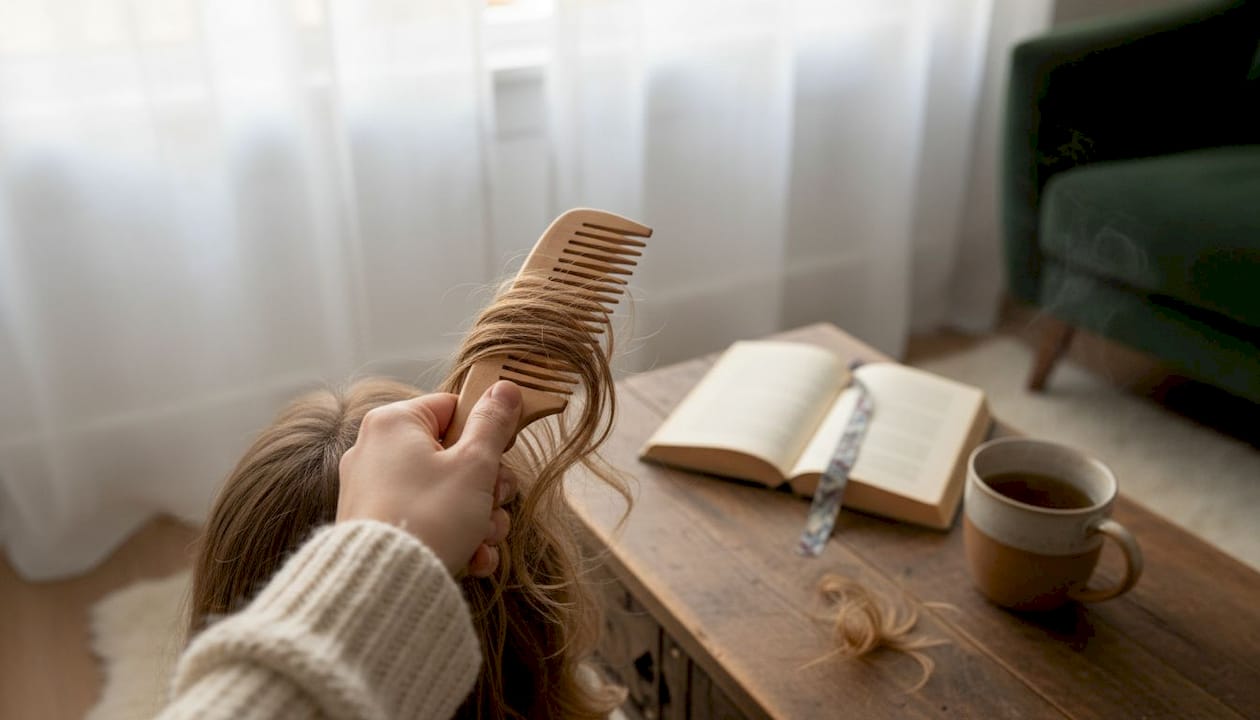
Wide-tooth combs are essential tools for brittle hair. Unlike fine-toothed combs or brushes, they glide through tangles without creating excessive tension or breakage. Start detangling from the ends, working upwards in small sections. If you encounter resistance, hold the hair above the tangle to prevent pulling at the scalp. Never brush wet hair unless it is coated with conditioner, as water swells the hair shaft and makes it more vulnerable to mechanical damage.
Pro tip: Monitor your hair for signs of nutritional deficiencies that might contribute to brittleness. Iron deficiency, low protein intake, and insufficient biotin can all affect hair structure and growth. If you notice persistent brittleness despite good care practices, consider consulting a healthcare provider for blood tests. Addressing internal factors alongside external care often produces the most dramatic improvements. Between professional consultations, maintain hair health with periodic bond-building sessions or natural mask treatments, and explore types of hair treatments naturally healthy hair to find the right balance for your specific needs.
Discover premium cruelty-free hair care products at Luxeva
Restoring brittle hair requires the right combination of scientifically effective treatments and ethical, natural ingredients. Luxeva curates a specialised selection of premium hair care products designed specifically for UK women seeking cruelty-free solutions to damaged hair challenges. Whether you need intensive bond-building treatments to repair chemical damage or plant-based oils and proteins for gentle daily nourishment, the collection focuses on ingredients that deliver measurable results without compromising on ethics or quality.

Explore expert guides and product recommendations tailored to brittle hair concerns at Luxeva. The site features detailed ingredient breakdowns, usage instructions, and customer testimonials to help you make informed decisions about your hair care routine. From argan oil rituals to biotin-enriched treatments, every product emphasises clean formulations free from sulfates and parabens. Discover how combining nature with science can transform your hair health through cruelty-free hair care remedies that respect both your hair and your values.
Frequently asked questions
How can you tell if your hair is brittle?
Brittle hair typically appears dull, feels stiff or wiry to the touch, and breaks easily when stretched. You might notice increased tangling immediately after washing, or find short broken hairs on your shoulders and pillowcase. A simple test involves gently stretching a single strand between your fingers. Healthy hair stretches slightly before returning to its original length, whilst brittle hair snaps with minimal tension.
Are bond-building treatments safe for natural and textured hair?
Bond-building treatments are generally safe for all hair types when used according to product instructions. However, some textured hair types that have undergone multiple chemical processes may benefit from starting with lower frequency applications to assess tolerance. Combining bond-builders with gentle natural care helps prevent overprocessing and maintains the hair’s natural moisture balance, which is particularly important for coily and kinky textures that are naturally drier.
What are the best natural ingredients for brittle hair?
Plant oils like baobab, marula, and coconut are excellent for sealing moisture into the hair shaft and creating a protective barrier against environmental damage. Proteins such as oat and quinoa reinforce the hair surface by temporarily filling gaps in the cuticle, improving strength and reducing breakage. For best results, alternate between protein treatments and moisturising treatments to maintain the proper balance, as too much protein can make hair feel stiff whilst too much moisture can make it feel mushy.
How often should you use intensive treatments on brittle hair?
The frequency depends on your hair’s damage level and the type of treatment. Bond-building treatments typically work best when used once or twice weekly until hair condition improves, then reduced to maintenance frequency. Natural deep conditioning masks can be used weekly or fortnightly based on how your hair responds. Pay attention to how your hair feels. If it becomes limp or greasy, reduce frequency. If it still feels dry and breaks easily, increase treatments or try a different product formulation.