


Finding reliable solutions for persistent hair damage and uncomfortable scalp symptoms can feel daunting, especially when every product promises miracles but delivers little relief. For many women across the United Kingdom, prioritising scalp health and lasting hair vitality has become more than a simple beauty goal—it’s an investment in overall wellbeing. Here, you’ll discover the difference between everyday haircare and scientifically-backed hair and scalp therapy, focusing on gentle, natural treatments that address the root causes and restore true health.
Table of Contents
- Hair And Scalp Therapy Defined Clearly
- Types Of Treatments: Natural And Scientific Approaches
- Key Benefits For Hair And Scalp Health
- Risks, Costs, And What To Avoid In Therapy
- Comparing Alternatives And Building A Healthy Routine
Key Takeaways
| Point | Details |
|---|---|
| Individualised Therapy | Hair and scalp therapy is personalised and focuses on diagnosing the root cause of specific hair and scalp issues. |
| Natural vs. Clinical Approaches | Combining natural treatments with scientific methods yields better results while minimising side effects. |
| Long-Term Benefits | Consistent therapy leads to improved hair strength and scalp health, enhancing overall wellbeing apart from mere cosmetic appearance. |
| Patience and Monitoring | Results may take time; regular assessment and adjustments to treatments are essential for effective care. |
Hair And Scalp Therapy Defined Clearly
Hair and scalp therapy addresses a wide range of conditions affecting your hair and scalp health. It’s not a one-size-fits-all approach; rather, it’s tailored treatment designed to tackle specific issues affecting you personally.
At its core, hair and scalp therapy involves identifying what’s causing your hair and scalp problems, then applying targeted solutions. These conditions can stem from genetics, hormonal imbalances, infections, medications, or trauma to the scalp.
What makes therapy different from basic haircare? Basic routines maintain healthy hair, but therapy actively treats existing problems and restores damaged scalp and hair tissue.
Therapeutic approaches typically include three main components:
- Diagnosis confirmation – identifying the root cause of your condition, not just treating symptoms
- Treatment protocols – topical applications, systemic remedies, and specialised interventions tailored to your specific issue
- Supportive care – selecting appropriate natural products that maintain scalp health and prevent future damage
Conditions addressed by hair and scalp therapy range from common to complex. Hair loss, seborrheic dermatitis, and scalp pain are among the conditions dermatologists now treat with emerging therapeutic approaches, whilst traditional solutions address hormonal-related thinning, infection-related inflammation, and trauma-induced damage.
What you’re really seeking is relief from both physical discomfort and the psychological distress that comes with hair problems. Your scalp might feel tight, itchy, or painful. Your hair might feel brittle, limp, or seem to shed excessively. These aren’t just cosmetic concerns—they affect your confidence and wellbeing.
Natural hair and scalp therapy prioritises clean, plant-based ingredients that work with your body rather than against it. Scalp vitality for women requires understanding how environmental stressors, styling practices, and product chemistry impact your hair’s condition over time.
The goal isn’t quick fixes. It’s lasting health. Your scalp and hair respond best to consistent, gentle care using scientifically-backed natural ingredients that support long-term restoration.
Why natural therapy matters now. Chemical-laden products often mask problems temporarily whilst potentially worsening underlying scalp conditions. Natural therapy addresses root causes, supporting your scalp’s natural healing capacity.
Natural hair and scalp therapy combines targeted solutions with clean ingredients—addressing the cause, not just symptoms.
Pro tip: Start therapy by identifying what triggered your condition (stress, recent medication changes, heat styling, harsh products) before selecting treatments, as addressing the source accelerates healing.
Types Of Treatments: Natural And Scientific Approaches
Treatment options for hair and scalp health span a spectrum from plant-based remedies to cutting-edge medical interventions. The best approach often combines both worlds—leveraging nature’s healing power alongside scientific innovation.
Natural treatments form the foundation of sustainable hair and scalp care. These include improved scalp hygiene, nutrient-rich diets, herbal rinses, and plant-based oils that nourish your hair from the roots outward.
Why start with natural solutions? They work with your body’s biology, minimise adverse effects, and support long-term scalp health without harsh chemicals stripping your hair of natural oils.
Scientific and medical approaches address more stubborn conditions requiring targeted intervention. These treatments target specific biological mechanisms causing your hair loss or scalp damage.
Key scientific approaches include:
- Topical treatments – localised applications targeting inflammation, infection, or follicle stimulation
- Oral supplements – biotin, vitamins, and minerals supporting hair growth from within
- Regenerative therapies – microneedling and platelet-rich plasma stimulating natural healing responses
- Laser and light-based therapy – wavelengths penetrating the scalp to stimulate dormant follicles
- Intralesional steroids – injected anti-inflammatory treatments for specific scalp conditions
Emerging cell therapy approaches now leverage stem cells and follicular regeneration, offering long-term benefits with fewer side effects than conventional medicine alone. These innovative treatments work by reactivating your hair’s natural growth mechanisms.
The synergy matters most. Pairing natural treatments with scientific approaches creates optimal results—natural ingredients reduce inflammation whilst targeted therapies stimulate regrowth. Your scalp receives comprehensive support addressing both cause and symptom.
Selection depends entirely on your specific condition. Hormonal hair loss requires different intervention than scalp infection or trauma-induced damage. This is why accurate diagnosis from the previous section proves essential.
Combining natural plant-based care with targeted scientific treatments maximises your results whilst minimising potential side effects.
Many practitioners now recommend a layered approach: start with clean, natural products supporting baseline scalp health, then add clinical treatments addressing specific underlying issues. This strategy prevents over-treatment whilst ensuring your condition improves steadily.
Pro tip: Begin with natural treatments alongside diagnosis, then introduce clinical interventions only if natural approaches plateau after 8–12 weeks, allowing your scalp time to respond whilst avoiding unnecessary procedures.
Key Benefits For Hair And Scalp Health
Hair and scalp therapy delivers tangible, lasting results that go far beyond surface appearance. When done correctly, it transforms how your hair feels, looks, and grows.
The primary benefit is structural improvement. Proper therapy strengthens hair strands and prevents breakage, making your hair more resilient to daily stress from styling, weather, and environmental damage.
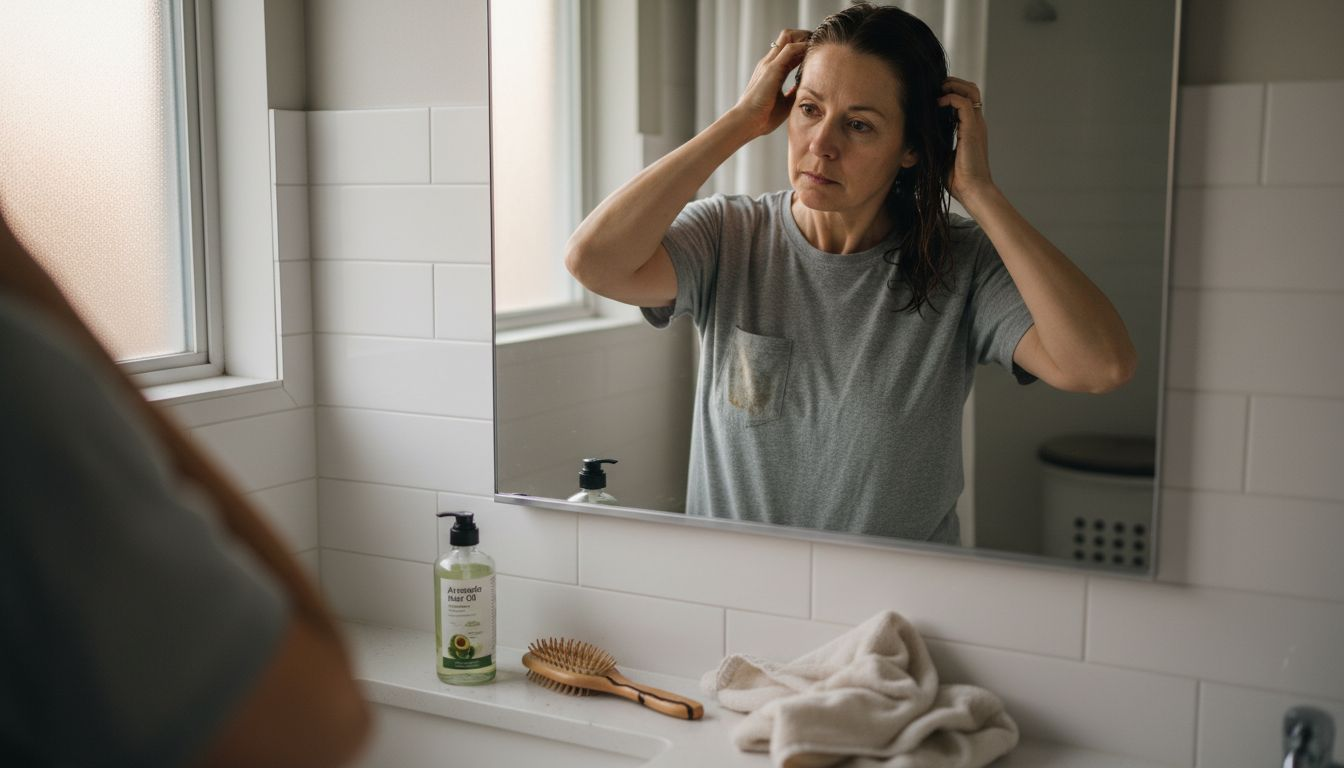
Your scalp also receives direct benefits. Therapy reduces inflammation, which addresses conditions like dandruff and seborrheic dermatitis that cause itching, flaking, and discomfort.
Key benefits include:
- Enhanced hair strength – reduced breakage and split ends throughout your hair length
- Improved scalp environment – better blood circulation supporting follicle health
- Growth stimulation – active follicles produce thicker, longer-lasting hair
- Reduced scalp conditions – relief from inflammation-related dandruff and irritation
- Improved appearance – shinier, more voluminous hair with better texture and bounce
- Long-term vitality – sustained health rather than temporary cosmetic fixes
Why does this matter for you specifically? Chemical-laden products and heat styling damage your hair structure over months and years. Therapy actively reverses this damage whilst protecting against future harm.
Beyond the physical, there’s a psychological benefit. Hair loss and scalp problems affect confidence deeply. When your scalp feels comfortable and your hair looks healthy, your overall wellbeing improves.
Scalp massage combined with proper care amplifies these benefits by increasing blood flow to follicles, delivering nutrients more effectively and accelerating healing responses.
The timeline matters. Most visible improvements appear within 4–8 weeks of consistent therapy, though deeper structural restoration continues for 3–6 months. This isn’t a quick fix—it’s foundational healing.
Effective therapy creates lasting change by addressing root causes, not masking symptoms, resulting in genuinely healthier hair from scalp to ends.
Regular maintenance prevents regression. Once your hair and scalp reach optimal health, continuing appropriate care prevents problems from returning.
Pro tip: Track visible changes fortnightly by photographing your scalp and hair in consistent lighting, noting improvements in texture, shine, and scalp comfort rather than focusing solely on length growth.
Risks, Costs, And What To Avoid In Therapy
Not all hair and scalp therapies work equally well for everyone. Understanding potential risks and costs protects your health and wallet whilst ensuring you make informed decisions.
Treatment response varies significantly. Some conditions respond beautifully to natural therapies within weeks, whilst others require clinical intervention or combination approaches. There’s no guarantee your specific issue will respond to your chosen treatment path.
Adverse reactions can occur with any therapy. Chemical or biological agents sometimes trigger unexpected responses, including scalp irritation, allergic reactions, or temporary worsening of inflammation before improvement occurs.
Common risks to anticipate:
- Ineffective results – therapy may not address your condition adequately, requiring alternative approaches
- Scalp irritation – even natural ingredients can cause sensitivity in some individuals
- Increased inflammation – temporary worsening before improvement, particularly with regenerative treatments
- Cost escalation – advanced therapies like cell-based treatments carry substantial expense
- Accessibility barriers – cutting-edge treatments remain unavailable or unaffordable in many regions
Costs require serious consideration. Natural plant-based therapies range from affordable to moderate, whilst clinical interventions—microneedling, platelet-rich plasma, cell therapy—cost hundreds to thousands of pounds. Premium formulations from reputable brands represent investment rather than budget purchases.
What should you actively avoid? Harsh chemical treatments stripping your scalp and damaging hair structure. Over-the-counter products promising miracle results within days. Unqualified practitioners making unrealistic promises. Self-diagnosis without professional confirmation.
Tempting shortcuts often backfire. Cheap products frequently contain the very harsh chemicals and synthetic additives therapy aims to eliminate. You’re essentially undoing therapeutic progress.
Another critical mistake: abandoning therapy too quickly. Many people expect results within 2 weeks and quit, missing the 6–8 week window where genuine change appears. Therapy requires patience.
The safest approach combines professional guidance, realistic timelines, quality natural products, and willingness to adjust treatment if initial approaches underperform.
Budget realistically. Quality therapy costs more than drugstore alternatives, but less than correcting damage from ineffective treatments. Consider it preventative investment rather than expense.
Pro tip: Request patch tests before committing to new treatments, keep detailed records of any reactions or improvements, and consult dermatologists before combining clinical therapies to avoid dangerous interactions or overlapping treatments.
Comparing Alternatives And Building A Healthy Routine
Choosing the right approach requires understanding what options exist and how they compare. Not every alternative suits every person, so comparison matters before committing to your routine.
Available alternatives span a broad spectrum. Natural home care methods, medicated shampoos, topical drugs, light therapies, and surgical options represent different intervention levels tailored to condition severity and your preferences.
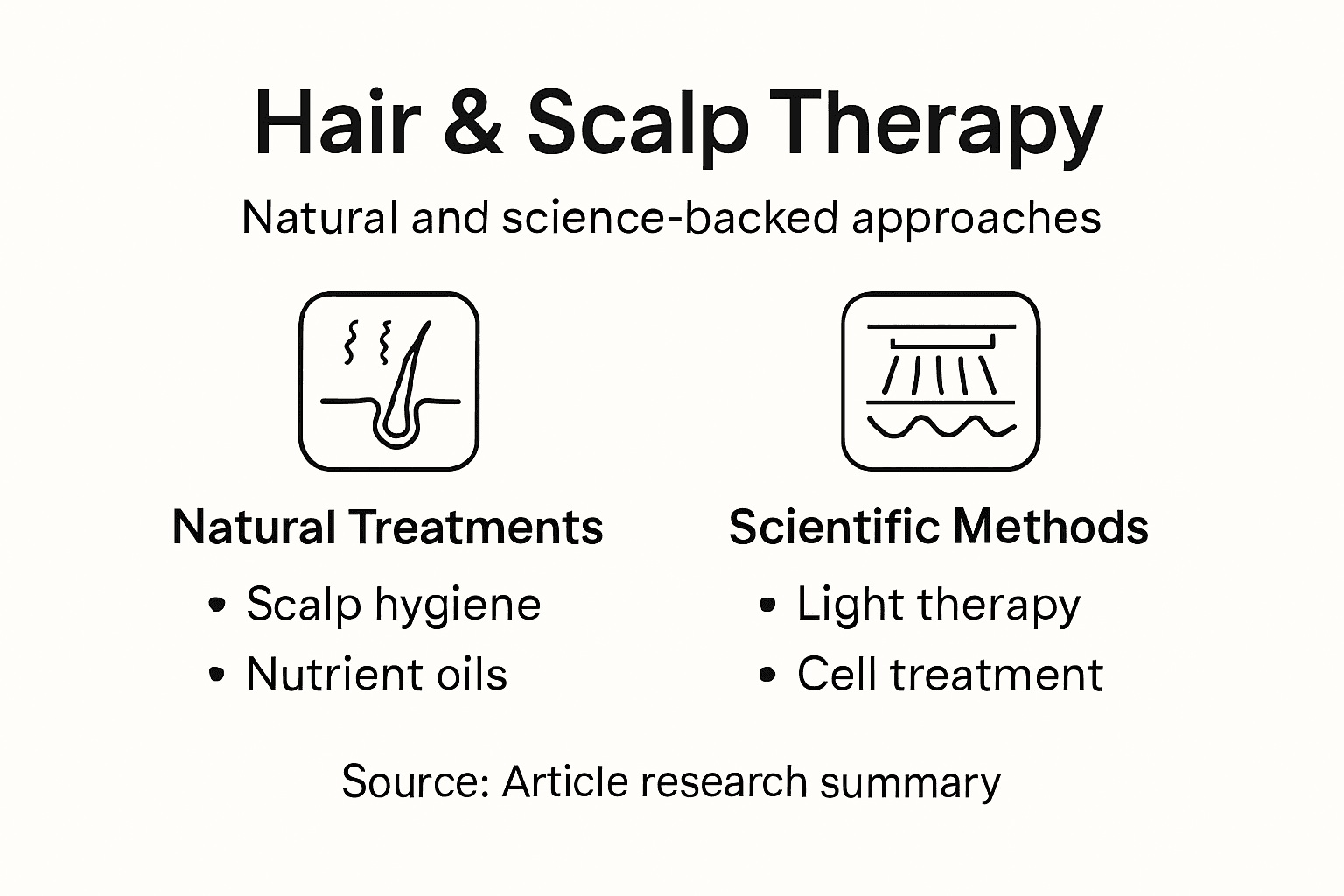
Natural alternatives typically cost less and carry minimal side effects but require longer timeframes—usually 8–12 weeks before noticeable results. Clinical alternatives offer faster results but involve higher costs and potential adverse reactions.
Here’s how natural and scientific hair and scalp treatments compare side by side:
| Approach | Typical Cost Range | Response Time | Side-Effect Risk |
|---|---|---|---|
| Natural treatments | Low to moderate | 8–12 weeks | Very low |
| Medicated shampoos | Moderate | 4–8 weeks | Mild (if sensitive) |
| Clinical interventions | High to very high | 2–6 weeks | Moderate to high |
| Surgical procedures | Highest | Immediate to months | High, procedural |
Comparison framework:
- Natural products – affordable, gentle, slow-acting, ideal for maintenance or mild conditions
- Medicated shampoos – moderate cost, targeted action, suit scalp infections and mild inflammation
- Topical treatments – higher potency, prescription-grade, address specific issues directly
- Light therapies – expensive, fast-acting, excellent for stimulating growth but require multiple sessions
- Systemic treatments – whole-body approach, treat underlying hormonal or nutritional deficiencies
- Surgical options – highest cost, permanent results, reserved for severe hair loss
Building your routine requires integration rather than choosing one path exclusively. Evidence-based approaches combine gentle washing, scalp massage, balanced nutrition with targeted treatments rather than relying on any single intervention.
Your sustainable routine should include:
- Daily foundation – gentle natural cleansing using sulphate-free formulations
- Weekly support – targeted treatments addressing your specific condition
- Nutritional backing – biotin, vitamins, and minerals supporting hair growth internally
- Scalp care – regular massage promoting blood circulation and follicle health
- Monthly assessment – reviewing progress and adjusting treatments if needed
Personalisation matters most. What works brilliantly for hormonal hair loss may not address infection-related inflammation. Your routine must match your actual condition, not generic assumptions.
Monitoring prevents wasted time on ineffective approaches. Track changes monthly using consistent photographs, noting scalp comfort, shedding reduction, and new growth appearance.
Below is a summary of optimal hair and scalp therapy routine components:
| Routine Layer | Main Action | Reassessment Timeline |
|---|---|---|
| Daily natural care | Gentle cleansing, avoid harsh agents | Ongoing, review monthly |
| Weekly interventions | Target specific scalp concerns | Adjust every 4 weeks |
| Internal support | Nutrients, supplements | Assess every 2 months |
| Progress monitoring | Track photos and comfort | Compare monthly |
The most effective routine combines natural daily care, targeted weekly treatments, internal nutritional support, and regular monitoring—creating sustainable habits rather than temporary interventions.
Start simple. Add complexity only when basic approaches plateau. This prevents overwhelming yourself whilst maintaining consistency long-term.
Pro tip: Establish your baseline by photographing your scalp and recording shedding amount for two weeks before starting therapy, then compare monthly to objectively track whether your routine truly delivers results or requires adjustment.
Discover Lasting Hair and Scalp Health with Luxeva
If you are seeking lasting relief from scalp discomfort, hair brittleness or excessive shedding, it is time to embrace a natural yet scientifically supported approach. Our carefully curated Scalp & Haircare Sets – LUXEVA combine clean, plant-based ingredients with cutting-edge formulations designed to restore scalp vitality and promote stronger, healthier hair growth. These sets directly address common challenges like inflammation, breakage and hormonal thinning through gentle, effective therapy.

Begin your journey to truly resilient hair by choosing from our premium collection of Top Hair Growth Oils & Sprays that nourish your scalp and follicles deeply. Act now to experience the transformative benefits of consistent care backed by science and crafted with ethically sourced botanicals. Visit LUXEVASTORE.com today and start rebuilding your hair’s natural strength with confidence.
Frequently Asked Questions
What conditions can hair and scalp therapy treat?
Hair and scalp therapy can address a variety of conditions including hair loss, seborrheic dermatitis, scalp pain, and inflammation related to infections, as well as hormonal imbalances and trauma-induced damage.
How does natural hair and scalp therapy differ from traditional hair care?
Natural hair and scalp therapy focuses on treating the root causes of scalp and hair issues using clean, plant-based ingredients, while traditional hair care often revolves around maintenance and cosmetic improvements without addressing underlying problems.
What are the key benefits of using natural treatments for hair and scalp health?
Natural treatments enhance hair strength, promote healthy scalp environments, stimulate hair growth, and reduce symptoms associated with scalp conditions like dandruff, all while maintaining long-term health without harsh chemicals.
How long does it take to see results from hair and scalp therapy?
Visible improvements from hair and scalp therapy typically appear within 4–8 weeks of consistent treatment, but deeper structural restoration can take 3–6 months, highlighting the importance of patience and commitment to the therapy.