


Finding time for self-care can feel challenging, especially when your scalp and hair start showing signs of stress. Healthy hair begins at the roots, and regular scalp massage is a simple ritual proven to promote circulation, support relaxation, and potentially increase hair thickness over time. If you are seeking a natural path to hair revival, this guide reveals how scalp massage blends ancient tradition with modern science, helping you nurture scalp wellness and boost the effects of premium, cruelty-free products.
Table of Contents
- What Is Scalp Massage And Why Do It
- Key Types Of Scalp Massage Techniques
- How Scalp Massage Supports Hair Health
- Scientific Evidence Behind Hair Growth Claims
- Risks, Myths, And How To Maximise Benefits
Key Takeaways
| Point | Details |
|---|---|
| Scalp Massage Enhances Hair Health | Regular scalp massage increases blood flow, delivering nutrients to hair follicles, and may improve hair thickness and health. |
| Relaxation and Stress Relief | Scalp massage not only promotes hair growth but also relaxes the mind by reducing stress and tension in the neck and shoulders. |
| Consistency is Key | For optimal benefits, aim to incorporate scalp massage into your routine three to five times a week, ensuring long-term improvements in hair and scalp condition. |
| Gentle Techniques Are Essential | Use soft, circular motions for massage to avoid irritation and damage, and be mindful of any specific scalp conditions you may have. |
What Is Scalp Massage and Why Do It
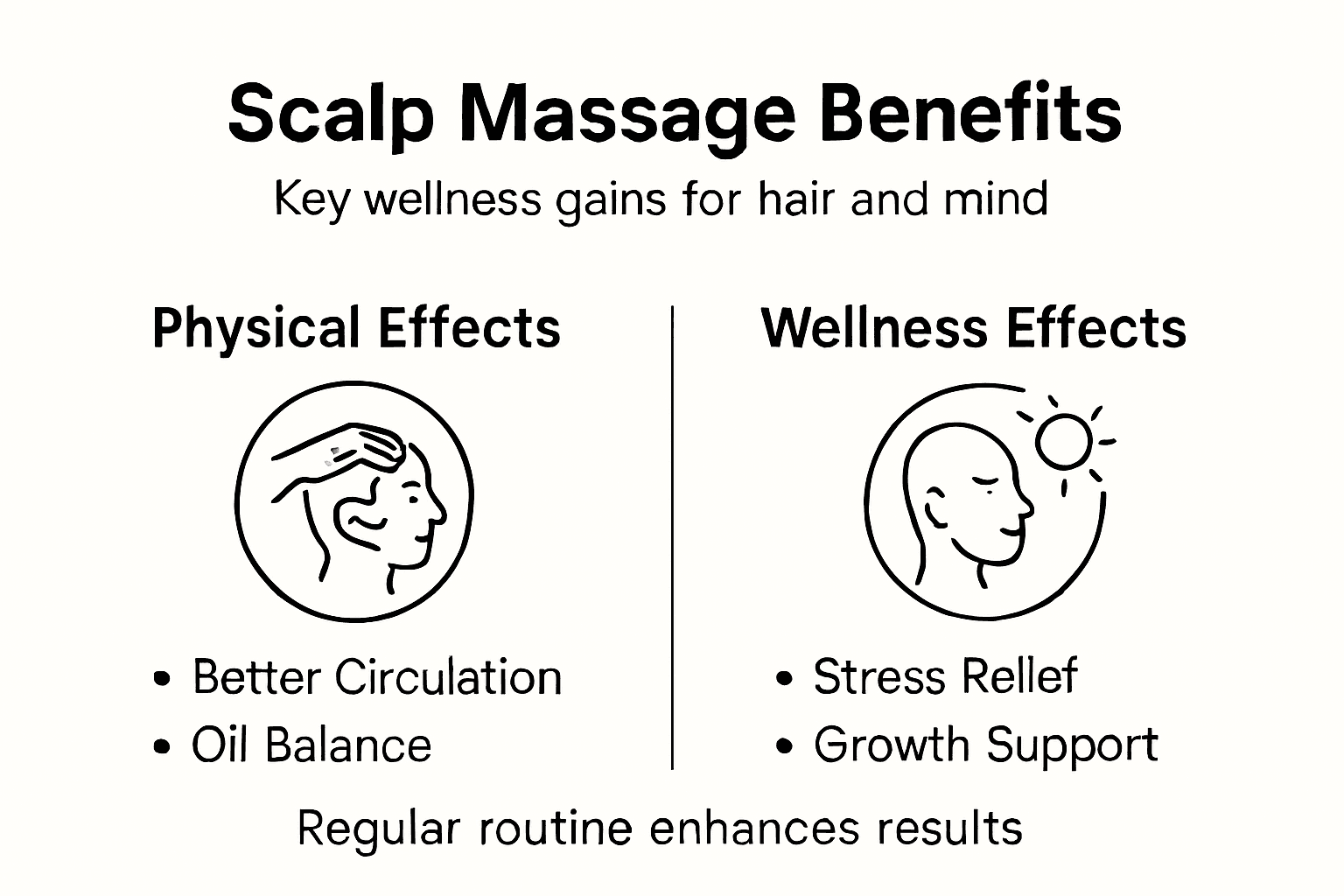
Scalp massage is a therapeutic practice that uses deliberate pressure and circular movements across your scalp to increase blood flow, reduce tension, and support hair health. It’s not complicated—your fingertips or a specialised tool apply gentle stimulation to activate nerves and follicles beneath the surface. This ancient technique has roots spanning over 2,000 years, with champissage being a traditional scalp massage therapy from Indian and Southeast Asian cultures that combined relaxation with practical wellness benefits.
The science behind scalp massage centres on circulation. When you massage your scalp, you’re essentially encouraging more oxygen and nutrients to reach your hair follicles. Movement and pressure promote blood flow to your scalp, which can potentially stimulate hair thickness over time. Early research from smaller studies suggests regular massage sessions may have measurable effects on hair growth and follicle health.
Beyond hair benefits, there’s something genuinely relaxing about the experience. The gentle stimulation eases tension held in your neck and shoulders, reduces stress hormones, and can even ease headache discomfort. Most people notice immediate relaxation from a single session, whilst consistent practice builds longer-term improvements in scalp condition and overall wellbeing.
Why bother incorporating this into your routine? Because it works on multiple levels. You’re investing five to ten minutes to address stress, improve scalp circulation, and support hair revival using nothing but your hands or a tool. For women juggling career, family, and self-care in their late twenties through forties, scalp massage offers tangible wellness that doesn’t require complicated ingredients or expensive treatments.
Many people find that combining scalp massage with nourishing products amplifies results. Understanding whether scalp massagers work effectively with hair growth oils helps you maximise your routine and create a ritual that feels luxurious, sustainable, and scientifically grounded.
Pro tip: Start with just three minutes of massage using gentle circular motions with your fingertips or a tool, focusing on the crown and temples where tension typically accumulates—consistency matters far more than intensity.
Key Types of Scalp Massage Techniques
Scalp massage isn’t one-size-fits-all. Different techniques target different concerns, and understanding your options means you can customise your routine to suit your needs. Whether you’re dealing with tension, sluggish circulation, or simply want to enhance relaxation, there’s a method that works for you.
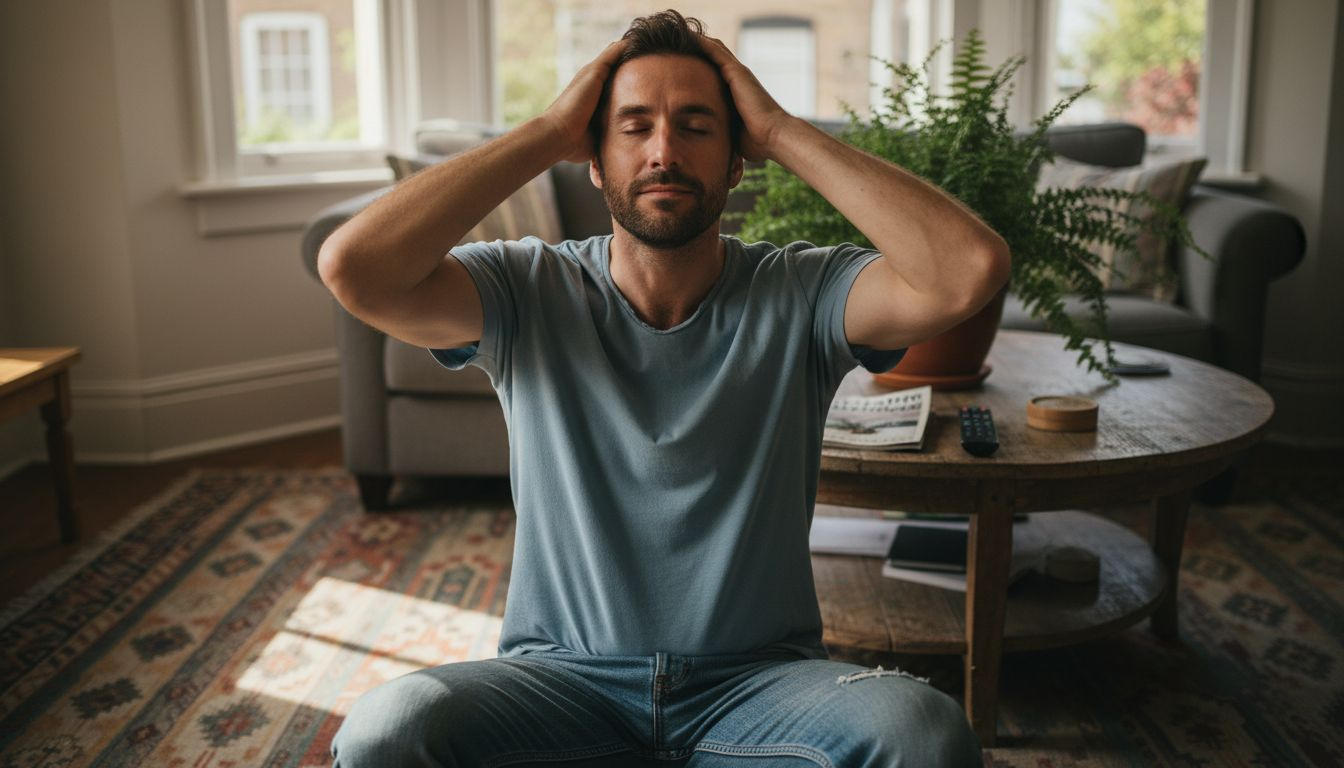
Circular motions form the foundation of most scalp massage routines. Using your fingertips, apply gentle pressure in small circles across your scalp, moving systematically from front to back. This technique stimulates circulation without causing discomfort and works beautifully for everyday maintenance. Many people find it intuitive because it mimics the natural way we rub our heads when stressed.
Kneading takes things deeper. Imagine gently squeezing and releasing the scalp muscles, much like you would knead bread dough. This method alleviates built-up tension, particularly around the temples and base of the skull where stress accumulates. It’s more invigorating than circular motions and leaves you feeling genuinely released.
Tapping techniques invigorate the scalp through rapid, rhythmic movements. This method boosts blood flow quickly and energises your entire head. If you’re feeling sluggish or want to wake up your follicles, tapping is your go-to approach. Long, sweeping strokes called effleurage offer the opposite effect—they’re purely relaxing and work beautifully at the end of your massage routine.
Pinching and vibration techniques round out your toolkit. Pinching stimulates specific points along your scalp, whilst vibration (especially with a specialised tool) enhances stimulation across larger areas. Many people combine multiple techniques within a single session, switching between them depending on what their scalp needs that day.
Here is a summary of popular scalp massage techniques and their principal effects:
| Technique | Primary Effect | Area of Focus | Suitable For |
|---|---|---|---|
| Circular Motions | Boosts circulation | Entire scalp | Everyday relaxation |
| Kneading | Relieves tension | Temples, base of skull | Stress and tightness |
| Tapping | Energises scalp | Whole head | Wakefulness, sluggishness |
| Effleurage | Promotes calm | End of routine | Deep relaxation |
| Pinching | Stimulates points | Specific scalp zones | Targeted stimulation |
| Vibration | Enhances area-wide effect | Large scalp regions | Tool-assisted massage |
Pro tip: Start with circular motions for two minutes, add kneading for another minute, then finish with gentle effleurage strokes to leave yourself feeling grounded and relaxed.
How Scalp Massage Supports Hair Health
Scalp massage works on a straightforward principle: better blood flow means healthier hair. When you massage your scalp, you’re increasing circulation to deliver oxygen and nutrients directly to your hair follicles. Think of it as creating a nutrient highway to the root of every strand on your head. This improved delivery system supports stronger, thicker hair growth over time.
The mechanical stress from massage also stimulates your follicles directly. Scalp massage can increase hair thickness by applying pressure that activates dormant follicles and encourages them to function at their best. Regular sessions essentially wake up your scalp, telling it to prioritise hair health and retention.
Beyond stimulation, massage helps your scalp environment thrive. It distributes your natural oils more evenly across your scalp, removing buildup that clogs follicles and prevents healthy growth. A cleaner, better-balanced scalp creates the perfect conditions for hair to grow stronger and longer.
Stress plays a massive role in hair loss. Scalp massage reduces stress hormones linked directly to hair shedding and thinning. By lowering cortisol levels through regular massage, you’re addressing one of the primary culprits behind premature hair loss. This is particularly valuable for women managing demanding careers and household responsibilities.
The cumulative effect matters most. A single massage session feels lovely, but consistency transforms your hair health. Women who massage their scalps three to five times weekly notice measurable improvements in hair thickness, shine, and overall scalp comfort within eight to twelve weeks. You’re building a sustainable habit that costs nothing and delivers genuine results.
Pro tip: Massage for five to seven minutes during your evening wind-down routine to combine stress relief with hair stimulation, making it easier to maintain consistency without adding extra time to your day.
Scientific Evidence Behind Hair Growth Claims
Scalp massage isn’t just a relaxing ritual. Research backs up what millions of people experience when they massage their scalps regularly. The science is compelling, and understanding the mechanisms helps explain why this simple practice works so effectively for hair revival.
The foundation rests on scalp health itself. Scalp condition significantly impacts hair quality and growth, with oxidative stress and scalp ageing disrupting hair cuticle development. This means damaged, fragile hair often stems from scalp problems rather than the hair itself. When you improve your scalp environment through massage, you’re addressing the root cause of poor hair health.
Mechanical stimulation creates measurable changes at the cellular level. A landmark study demonstrated that standardised scalp massage increased hair thickness by inducing stretching forces on dermal papilla cells. Just four minutes of daily massage over twenty-four weeks altered gene expression related to hair growth and loss in study participants.
This isn’t marketing hype. The research shows that massage physically stretches cells within your hair follicles, triggering biological responses that promote thicker, healthier hair. Your body responds to the mechanical stimulus by prioritising hair growth and reducing hair loss signals.
What makes this particularly valuable for you is the consistency factor. These aren’t one-off benefits. Regular massage compounds over weeks and months, with effects becoming increasingly noticeable. You’re not waiting years for results; measurable improvements appear within two to three months of consistent practice.
Pro tip: Perform your massage at the same time daily, ideally morning or evening, to establish a habit that works with your natural circadian rhythm and maximises your scalp’s responsiveness to stimulation.
Risks, Myths, and How to Maximise Benefits
Scalp massage is remarkably safe when done correctly. The reality is that scalp massage presents little health risk for most people and delivers genuine benefits for relaxation and tension relief. However, technique matters significantly. Overly vigorous massage or excessive pressure can damage hair and irritate sensitive scalps, so understanding proper form protects your investment in this wellness practice.
The most common mistake is using too much force. Your scalp isn’t an area that benefits from aggressive handling. Gentle circular motions with your fingertips or a tool work far better than harsh rubbing. Think of it as coaxing your scalp to respond, not forcing results through brute pressure.
Certain scalp conditions require extra caution. If you have psoriasis, eczema, or other dermatological concerns, proceed gently and consider consulting your GP before starting regular massage. Similarly, always sanitise any tools you use, whether specialised massagers or brushes. Unclean implements introduce bacteria and infection risk, which undermines all the benefits you’re trying to achieve.
One persistent myth suggests massage can replace medical treatment for serious hair loss. It cannot. Massage supports hair health beautifully but isn’t a substitute for professional medical intervention when hair loss becomes severe. Think of it as preventative wellness, not curative medicine.
To maximise benefits whilst minimising risks, follow straightforward guidelines. Use gentle motions consistently rather than occasional intense sessions. Keep your hands and any tools scrupulously clean. Start conservatively if your scalp is sensitive, perhaps two to three times weekly, then build frequency as your scalp adapts. Pay attention to how your scalp responds and adjust accordingly.
The following table compares the main benefits of regular scalp massage sessions against possible risks to help you optimise your routine:
| Benefit | Description | Risk | How to Minimise |
|---|---|---|---|
| Increased circulation | Greater nutrient flow to follicles | Scalp irritation | Use gentle pressure |
| Stress reduction | Helps lower cortisol levels | Excess hair breakage | Avoid aggressive rubbing |
| Enhanced hair growth | Stimulates follicle activity | Infection risk | Clean hands/tools |
| Even oil distribution | Prevents buildup and dryness | Sensitivity flare-ups | Consult GP if scalp condition |
Pro tip: If you notice any irritation, redness, or unusual hair breakage after starting massage, reduce frequency immediately and ensure you’re using truly gentle pressure, not forceful rubbing.
Discover the Power of Scalp Massage Combined with Premium Hair Care
If you have been exploring the benefits of scalp massage for hair revival and wellness you understand how crucial gentle stimulation and improved circulation are to nurturing healthy hair follicles. Many women face challenges like stress-related hair thinning or scalp tension that prevent their hair from reaching its full potential. This is where pairing your massage routine with scientifically backed natural hair treatments can truly transform your results. At LUXEVASTORE.com we offer premium, cruelty-free hair care products that complement scalp massage perfectly. Our formulas featuring ingredients such as argan oil biotin and rosemary mint work to nourish your scalp deeply while supporting hair thickness and shine.

Elevate your hair wellness ritual today with our curated collection of clean ingredient treatments designed to enhance circulation reduce tension and promote lasting hair revival. Take advantage of our expert-developed sets and enjoy special offers including Black Friday promotions to start your journey towards stronger more radiant hair. Visit LUXEVASTORE now to explore luxurious options tailored for natural hair revival and experience the combined power of touch and top-tier care.
Frequently Asked Questions
What are the benefits of scalp massage for hair health?
Scalp massage improves blood flow to hair follicles, delivering oxygen and nutrients that support stronger, thicker hair growth. It also helps to relieve stress, which can reduce hair loss.
How often should I perform scalp massage for optimal results?
For best results, it’s recommended to massage your scalp three to five times a week. Consistency is key to experiencing significant improvements in hair thickness and overall scalp health.
Can I combine scalp massage with hair growth oils?
Yes, using scalp massage with hair growth oils can amplify results. The increased circulation from the massage helps to effectively distribute the oils and enhance their effects on hair health.
What techniques should I use for an effective scalp massage?
Start with gentle circular motions to boost circulation, then incorporate kneading to relieve tension. Tapping can invigorate the scalp, while effleurage promotes relaxation at the end of your session.
Recommended
- Scalp Massage and Hair Growth: Science and Real Impact – LUXEVA
- Scalp Massagers and Hair Growth: Evidence and Benefits – LUXEVA
- Can scalp massagers be used with hair growth oils? Achieve optimal res – LUXEVA
- LUXEVA 3-in-1 Biotin & Rosemary Hair Growth Shampoo & Conditioner Set
- Understanding How to Improve Scalp Health Effectively | MyHair