


Finding luxury hair care that is truly nurturing and cruelty free is not always straightforward. If you are striving for stronger, shinier hair without compromise, understanding the real impact of natural oils becomes vital. Backed by scientific research, herbal hair oils deliver essential nutrients while supporting natural hair growth and scalp hydration, making them a trusted cornerstone for those seeking effective hair repair and lasting revitalisation.
Table of Contents
- What Oils Do for Hair Nutrition
- Key Types of Natural Hair Oils
- Scientific Mechanisms Behind Oil Benefits
- How to Use Hair Oils for Best Results
- Common Myths and Mistakes to Avoid
Key Takeaways
| Point | Details |
|---|---|
| Natural Oils Nourish Hair | Oils provide deep hydration and protect against damage, improving overall hair strength and growth. |
| Selection is Key | Different oils offer unique benefits; choose based on individual hair needs for optimal results. |
| Application Matters | Effective techniques, such as scalp massages and pre-wash applications, enhance oil benefits significantly. |
| Beware of Misconceptions | Understand the limitations of oils; they require proper usage and won’t deliver instant results. |
What Oils Do for Hair Nutrition
Oils play a remarkable role in supporting comprehensive hair nutrition, offering far more than mere surface-level treatment. They function as potent, multi-dimensional nourishing agents that penetrate deeply into hair follicles and scalp structures, delivering essential nutrients and protective compounds.
Scientific research demonstrates that hair oils provide multiple critical benefits for hair health:
- Hydration of hair shaft and scalp
- Protection against environmental damage
- Improvement of hair’s tensile strength
- Restoration of natural lipid balance
- Stimulation of healthy hair growth mechanisms
The molecular composition of natural oils enables them to penetrate hair’s complex structure, delivering targeted nutrition where conventional treatments cannot reach. Unlike synthetic products, herbal hair oils contain bioactive compounds that interact holistically with hair’s natural keratin proteins.
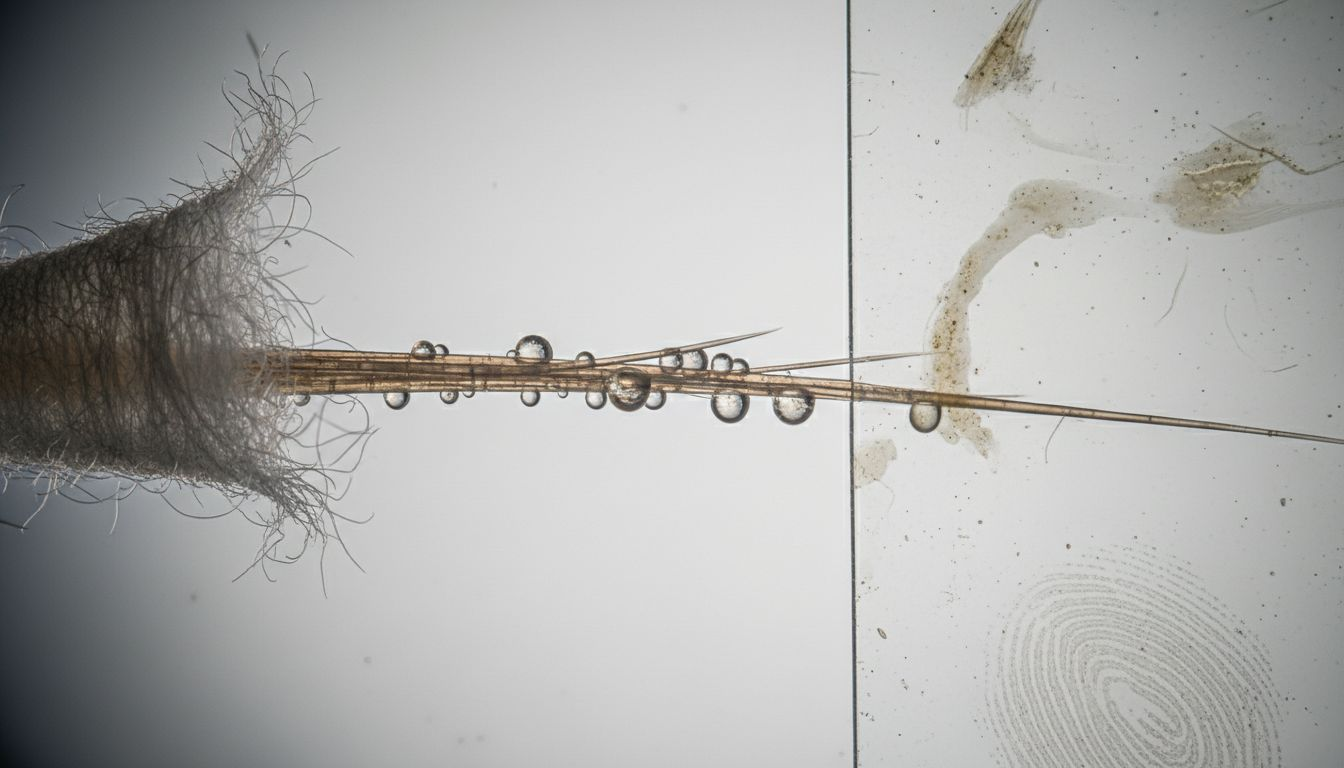
Traditional oils such as coconut, argan, and jojoba have been scientifically validated for their profound hair-strengthening properties. Coconut oil demonstrates exceptional protective capabilities, reducing hair porosity and minimising structural damage through its unique molecular interactions.
Pro tip: Select cold-pressed, unrefined oils to ensure maximum nutrient preservation and hair health benefits.
Key Types of Natural Hair Oils
Natural hair oils represent a diverse and potent range of botanical solutions for comprehensive hair nutrition, each offering unique molecular benefits tailored to different hair concerns. Diverse botanical oils have specific biochemical profiles that address various aspects of hair health, from structural protection to growth stimulation.
The most prominent natural hair oils include:
- Coconut Oil: Exceptional protein retention and deep penetration
- Argan Oil: Rich in antioxidants and vitamin E
- Castor Oil: Promotes hair growth and scalp health
- Olive Oil: Provides intense moisture and softness
- Almond Oil: Strengthens hair and reduces breakage
- Neem Oil: Offers antimicrobial scalp protection
Coconut and rosemary oils demonstrate remarkable scientific validation for their specific hair care capabilities. Coconut oil stands out for its unique ability to penetrate hair shaft structures, reducing protein loss and enhancing overall hair resilience.
Each oil brings distinctive advantages, making them powerful tools in personalised hair nutrition strategies. Understanding their individual properties allows for targeted hair care approaches that address specific concerns like dryness, damage, or slow growth.
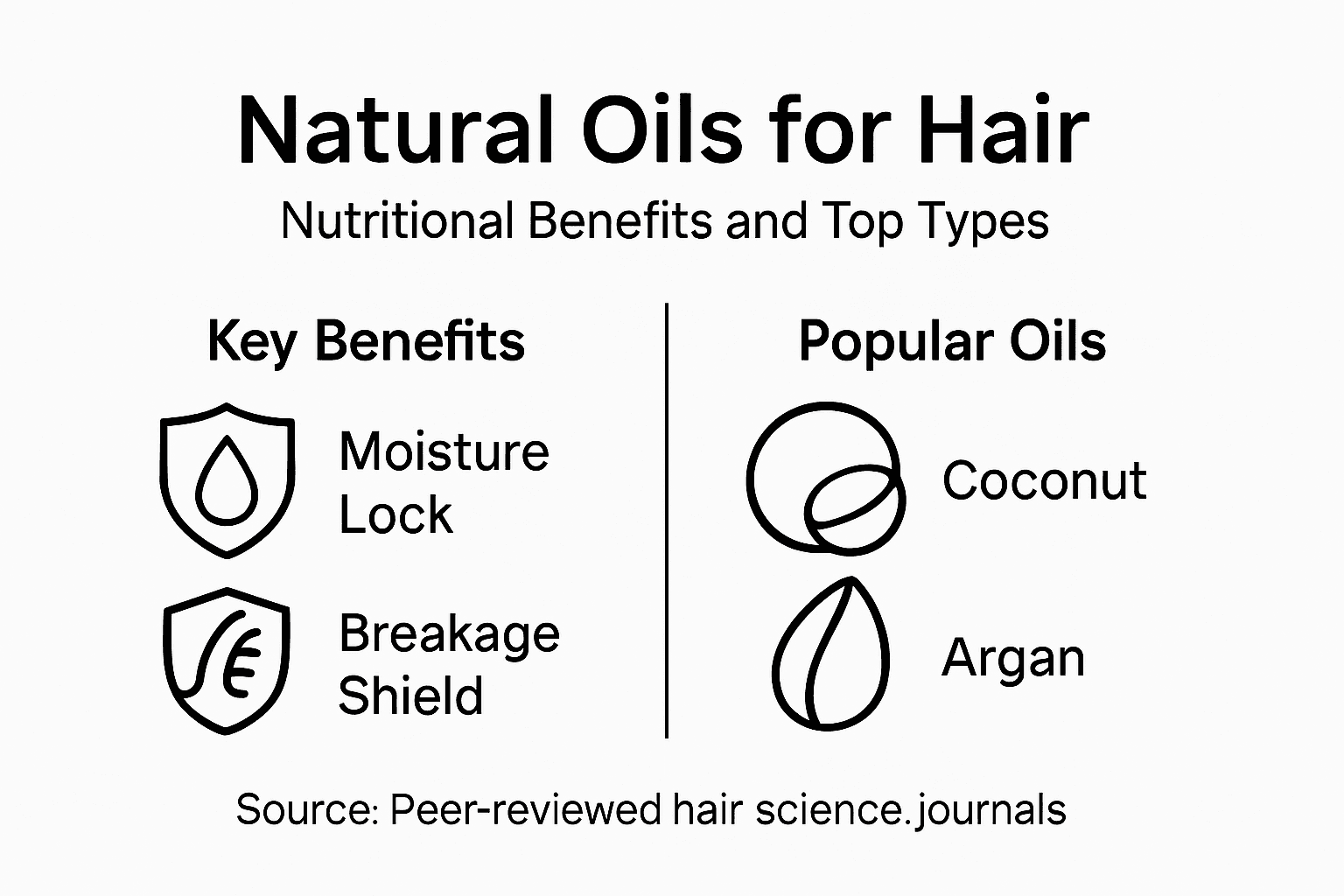
Here is a comparison of popular natural hair oils and their targeted uses:
| Oil Type | Best For | Key Nutrient Focus |
|---|---|---|
| Coconut Oil | Damaged, porous hair | Lauric acid, vitamin E |
| Argan Oil | Frizzy, brittle strands | Tocopherols, omegas |
| Castor Oil | Thinning, slow growth | Ricinoleic acid |
| Olive Oil | Dry, coarse texture | Squalene, polyphenols |
| Almond Oil | Split ends, breakage | Magnesium, oleic acid |
| Neem Oil | Irritated, flaky scalp | Nimbin, antioxidants |
Pro tip: Mix different natural oils to create a personalised hair nutrition blend that addresses multiple hair health requirements.
Scientific Mechanisms Behind Oil Benefits
Hair oils operate through complex molecular interactions that go far beyond surface-level treatments. Vegetable oils penetrate hair fibres at a microscopic level, interacting directly with hair’s internal cortex to restore structural integrity and enhance mechanical properties.
The primary scientific mechanisms of hair oil benefits include:
- Molecular Bonding: Stabilising broken protein structures
- Lipid Restoration: Replenishing natural hair protective layers
- Protein Interaction: Reinforcing keratin protein networks
- Mechanical Strengthening: Reducing hair breakage potential
- Moisture Retention: Improving hydration at cellular levels
Hair care formulations demonstrate remarkable structural improvements, significantly increasing break force and reducing combing resistance. Oils like coconut, avocado, and argan actively reconstruct hair’s internal architecture by penetrating deep into the shaft.
These biochemical interactions explain why natural oils are superior to synthetic treatments. By mimicking and supporting hair’s natural molecular structures, they provide comprehensive nutrition that goes beyond temporary cosmetic improvements.
Pro tip: Warm oils slightly before application to enhance molecular penetration and improve absorption into hair fibres.
How to Use Hair Oils for Best Results
Hair oil application requires strategic understanding to maximise nutritional benefits. Effective hair oil techniques depend on precise application methods, focusing on personalised approaches tailored to individual hair characteristics and specific nutritional needs.
Key steps for optimal hair oil usage include:
- Pre-Wash Application: Protect hair cuticles before shampooing
- Scalp Massage: Stimulate circulation and nutrient absorption
- Targeted Distribution: Focus on hair ends and damaged sections
- Temperature Control: Use slightly warmed oils for better penetration
- Consistent Routine: Apply oils regularly for cumulative benefits
Natural oil integration requires careful consideration of individual hair types, potential allergic reactions, and specific nutritional requirements. Different oils offer unique benefits, making personalised selection crucial for achieving optimal hair health.
Consistent and methodical application transforms hair oils from simple cosmetic products into powerful nutritional interventions. Understanding your hair’s specific needs allows for targeted oil selection and application techniques that maximise absorption and effectiveness.
Pro tip: Conduct a small patch test with new oils to ensure compatibility and prevent potential allergic reactions.
Common Myths and Mistakes to Avoid
Hair oil myths can lead unsuspecting consumers astray, potentially causing more harm than good. Misunderstandings about hair oil effectiveness frequently stem from oversimplified expectations about their capabilities and application methods.
Most prevalent misconceptions include:
- Growth Guarantee Myth: Believing oils automatically stimulate hair growth
- Quantity Over Quality: Assuming more oil means better results
- Universal Application: Using identical techniques for all hair types
- Instant Transformation: Expecting immediate miraculous changes
- Risk-Free Assumption: Thinking natural oils cannot cause adverse reactions
Natural oil usage requires nuanced understanding beyond superficial recommendations. Oils are not universal solutions but targeted treatments that demand personalised approaches considering individual hair texture, scalp condition, and specific nutritional requirements.
Scientific evidence reveals that inappropriate oil application can lead to counterproductive outcomes such as follicle blockage, excessive greasiness, and potential allergic responses. Responsible usage demands careful research, patch testing, and gradual integration into hair care routines.
To avoid common mistakes, refer to this quick myth-versus-fact table:
| Myth | The Science |
|---|---|
| More oil gives better results | Overuse may clog follicles or cause greasiness |
| Any oil suits all hair types | Oil choice should match hair and scalp needs |
| Natural oils are always safe | Patch testing is essential to prevent reactions |
| Instant changes are guaranteed | Oils support long-term health, not quick fixes |
Pro tip: Consult a trichology professional to develop a personalised oil treatment strategy tailored to your specific hair profile.
Unlock the Power of Natural Oils for Luxurious Hair Nutrition
If you are striving to repair damaged, dry or brittle hair, understanding the critical role of natural oils like coconut and argan is essential. This article highlights the scientific benefits of deep penetration, protein restoration and targeted nutrient delivery that transform hair health from within. However, achieving these results requires choosing the right products and methods tailored to your unique hair type and needs.
Enhance your haircare routine today with Scalp & Haircare Sets – LUXEVA crafted with clean, cruelty-free ingredients proven to nourish and strengthen.

Experience the difference that premium, botanically powered hair oils bring to your hair’s texture and resilience. Explore our Sulphate Free Shampoo Sets: Elevate Your Haircare Ritual with LUXEVA for complementary products designed to protect while you nurture. Visit LUXEVASTORE.com now to build your personalised hair nutrition regimen and embrace longer-lasting, healthier hair starting today.
Frequently Asked Questions
What are the benefits of using natural oils for hair nutrition?
Natural oils provide hydration, protection against environmental damage, improve tensile strength, restore lipid balance, and stimulate healthy hair growth mechanisms.
How should I apply hair oils for the best results?
For optimal results, apply oils as a pre-wash treatment, massage into the scalp, focus on damaged ends, slightly warm the oil for better absorption, and establish a consistent application routine.
Can I use different types of hair oils together?
Yes, mixing different natural oils can create a personalised blend that targets multiple hair concerns, combining their unique benefits for enhanced hair health.
Are there any common myths about using hair oils?
Yes, common myths include the belief that more oil equals better results, that all oils suit every hair type, and the idea that oils guarantee immediate hair growth or instant results.