


You grab a shampoo labelled ‘sulfate-free’ hoping to ease your irritated scalp, yet after two weeks, the itching persists. The culprit? Hidden sulfate derivatives that manufacturers don’t highlight. This guide teaches you to identify genuinely sulfate-free, premium haircare products that align with clean beauty values, ensuring your choices deliver the gentle, effective care you deserve.
Table of Contents
- Understanding Common Sulfates And Sulfate-Free Labelling
- Prerequisites: What You Need Before Starting To Identify Sulfate-Free Products
- Stepwise Method To Verify Sulfate-Free Claims
- Common Sulfate Alternatives And Their Properties
- Common Mistakes And Pitfalls In Identifying Sulfate-Free Products
- Expected Benefits And Outcomes From Switching To Sulfate-Free Haircare
- Explore Premium Sulfate-Free Haircare Products At LUXEVA
- Frequently Asked Questions
Key takeaways
| Point | Details |
|---|---|
| Verify ingredient lists | Check for explicit sulfate names like SLS, SLES, and derivatives ending in ‘-sulfate’ rather than trusting marketing claims alone. |
| Seek certification logos | Look for Leaping Bunny or Cruelty Free International marks to confirm ethical and cruelty-free standards. |
| Recognise mild alternatives | Decyl Glucoside and Cocamidopropyl Betaine offer gentler cleansing with reduced irritation compared to traditional sulfates. |
| Expect gradual improvements | Scalp irritation typically reduces within 14-28 days when switching to genuine sulfate-free formulations. |
| Avoid ambiguous claims | Terms like ‘low-sulfate’ or ‘naturally derived’ do not guarantee sulfate-free status and require ingredient verification. |
Understanding common sulfates and sulfate-free labelling
Sulfates are surfactants that create lather and remove oil and dirt from hair. The most common types include Sodium Lauryl Sulfate (SLS) and Sodium Laureth Sulfate (SLES), both known for their strong cleansing action. However, these ingredients can strip natural oils, leaving hair dry and scalps irritated, particularly for those with sensitive skin or colour-treated hair.
In the UK and EU, cosmetic regulations mandate full ingredient disclosure, meaning every component, including sulfate derivatives, must appear on product labels. This transparency empowers you to verify claims rather than relying solely on front-of-pack marketing. Yet many consumers assume ‘sulfate-free’ guarantees gentleness without checking the ingredient list, leading to disappointment when hidden derivatives cause the same problems.
Marketing teams often use phrases like ‘gentle formula’ or ‘natural surfactants’ to suggest sulfate-free products, but these terms lack regulatory definition. A product might replace SLS with Sodium Coco-Sulfate, a milder sulfate derivative that still triggers sensitivity in some users. Recognising these nuances ensures you distinguish genuine sulfate-free formulations from clever rebranding.
Understanding sulphate-free shampoo benefits and risks helps you appreciate why verifying ingredients matters. True sulfate-free products use alternative surfactants that cleanse without stripping moisture, aligning with clean beauty principles. By learning to read labels correctly, you protect your hair health and make informed purchasing decisions that reflect your ethical values.
Prerequisites: what you need before starting to identify sulfate-free products
Before diving into product verification, equip yourself with basic skills and resources that streamline the process. First, develop comfort reading cosmetic ingredient lists, typically printed in descending order by concentration. Ingredients appear using their International Nomenclature of Cosmetic Ingredients (INCI) names, which may differ from common names, so familiarity with this system prevents confusion.
Second, ensure access to product packaging or verified online ingredient lists from brand websites or retailer platforms. Physical bottles display full ingredient declarations, while reputable eCommerce sites list components in product descriptions. Avoid relying on third-party marketplaces where ingredient information may be incomplete or outdated.
Third, familiarise yourself with cruelty-free and clean beauty certification logos such as Leaping Bunny, Cruelty Free International, and Vegan Society marks. These symbols indicate independent verification of ethical claims, adding credibility beyond brand self-declarations. Recognising these logos at a glance speeds up your evaluation process in store or online.
Key prerequisites include:
- Ability to interpret INCI ingredient names and recognise sulfate variants
- Access to reliable product packaging or verified ingredient databases
- Awareness of trustworthy certification logos for cruelty-free and vegan standards
- Willingness to research brand transparency through company websites and independent reviews
- Patience to cross-check marketing claims against actual ingredient disclosures
Finally, adopt a mindset that prioritises ingredient verification over marketing language. Brands invest heavily in persuasive copy, but your hair health depends on what’s inside the bottle, not what’s printed on the front. This critical perspective empowers you to identify genuinely premium, sulfate-free haircare products confidently.
Stepwise method to verify sulfate-free claims
Verifying sulfate-free claims requires a systematic approach that eliminates guesswork and builds confidence in your selections. Follow this method whenever evaluating a new haircare product to ensure it meets your standards for gentleness, efficacy, and ethical production.
-
Examine the ingredient list for explicit sulfate names. Scan for Sodium Lauryl Sulfate, Sodium Laureth Sulfate, Ammonium Lauryl Sulfate, and any ingredient ending in ‘-sulfate’. These terms indicate the presence of traditional sulfates or derivatives that may cause irritation.
-
Look for recognised cruelty-free certification logos on packaging. Leaping Bunny, Cruelty Free International, and similar marks confirm the product meets rigorous ethical standards. Absence of these logos doesn’t automatically disqualify a product, but their presence adds credibility.
-
Research brand transparency regarding ingredient sourcing and formulation philosophy. Visit the company website to review their ingredient policies, sourcing practices, and any third-party certifications. Brands committed to clean beauty typically provide detailed disclosures that hidden-sulfate products lack.
-
Consult credible reviews and third-party verifications for user experiences. Platforms like Trustpilot, beauty forums, and ingredient analysis websites offer insights into how products perform for people with similar hair types and sensitivities. Look for patterns in feedback regarding scalp irritation or dryness.
-
Use mobile apps or online databases to decode unfamiliar ingredient names quickly. Tools like Think Dirty, EWG’s Skin Deep, or CosDNA allow you to scan barcodes or search ingredients, revealing sulfate content and potential irritants instantly.
Pro Tip: When shopping in-store, photograph ingredient lists with your phone and use ingredient checker apps while browsing. This real-time verification prevents impulse purchases of products that fail your sulfate-free criteria, saving money and disappointment.
By following these steps, you build a reliable system for identifying sulfate-free haircare products that deliver on their promises. Consistency in this approach transforms you from a trusting consumer into an informed advocate for your hair health.
Common sulfate alternatives and their properties
Genuine sulfate-free products replace traditional sulfates with milder surfactants that cleanse effectively while minimising irritation. Understanding these alternatives helps you recognise quality formulations and set realistic expectations for performance. Research shows sulfate-free products substitute sulfates with ingredients like Decyl Glucoside or Cocamidopropyl Betaine, which preserve natural hair oils and reduce scalp sensitivity.
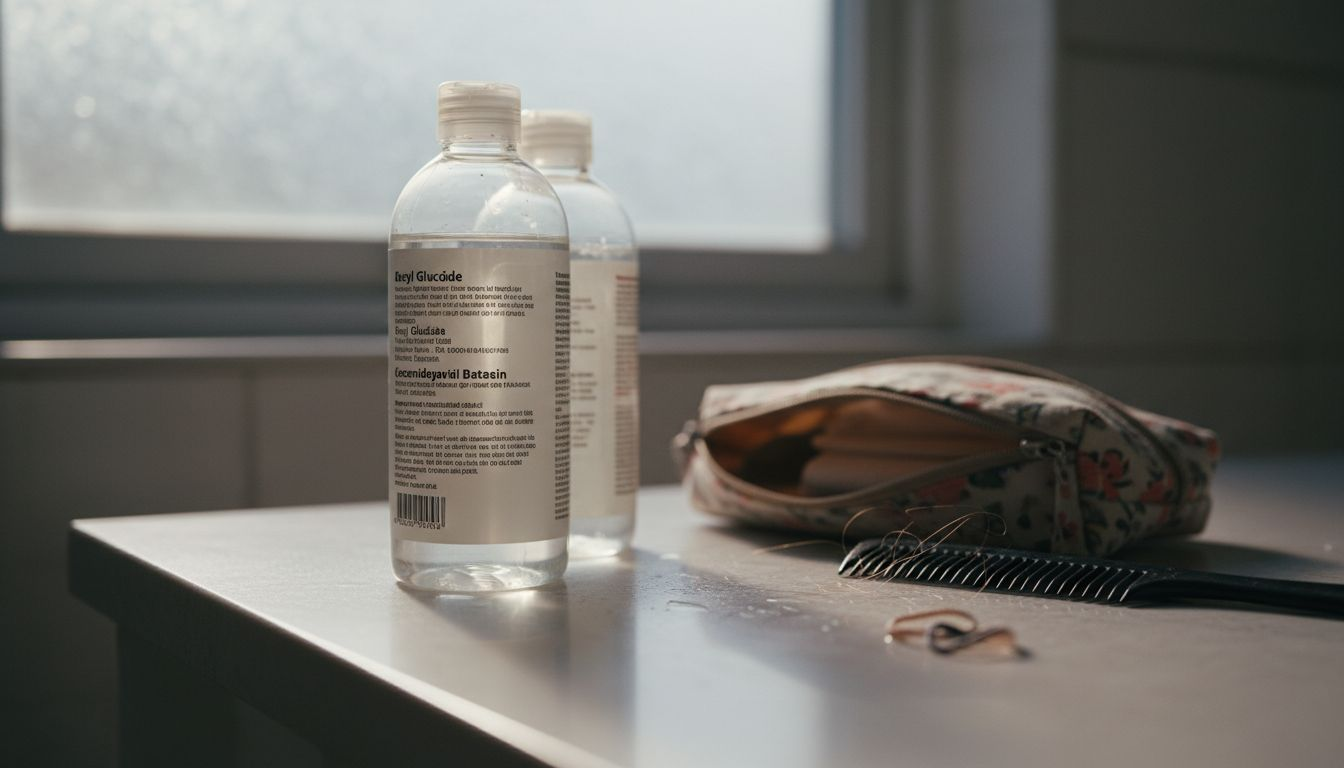
Decyl Glucoside, derived from coconut and glucose, offers gentle cleansing suitable for sensitive skin. It produces less lather than sulfates but effectively removes dirt and oil without stripping moisture. Cocamidopropyl Betaine, another coconut-derived surfactant, acts as a foam booster and conditioning agent, enhancing texture while remaining mild.
Sodium Coco-Sulfate, despite its name, is technically a sulfate but considered milder than SLS or SLES. It originates from coconut oil and causes fewer irritation issues, though some sensitive individuals still react. If you have extremely reactive skin, avoid products containing any ‘-sulfate’ ingredient, even milder versions.
Key alternative surfactants include:
- Decyl Glucoside: Plant-derived, ultra-gentle, minimal lather, ideal for sensitive scalps
- Cocamidopropyl Betaine: Coconut-based, mild cleansing with conditioning properties
- Sodium Coco-Sulfate: Milder sulfate alternative, though still potentially irritating for some
- Coco-Glucoside: Similar to Decyl Glucoside, gentle and biodegradable
- Lauryl Glucoside: Sugar-derived, effective yet non-stripping
| Surfactant | Cleansing Strength | Gentleness | Lather Level |
|---|---|---|---|
| SLS/SLES (sulfates) | Very High | Low | High |
| Sodium Coco-Sulfate | High | Medium | Medium-High |
| Cocamidopropyl Betaine | Medium | High | Medium |
| Decyl Glucoside | Medium | Very High | Low-Medium |
Pro Tip: Prioritise products listing specific mild surfactants like Decyl Glucoside rather than vague terms like ‘plant-based surfactants’. Precise ingredient naming signals transparency and quality, helping you identify advantages of sulphate-free shampoo formulations that genuinely benefit your hair.
While these alternatives may require an adjustment period regarding lather and rinsing feel, their long-term benefits for hair and scalp health make the transition worthwhile. Understanding their properties empowers you to select formulations aligned with your sensitivity level and cleansing preferences.
Common mistakes and pitfalls in identifying sulfate-free products
Even informed consumers fall into traps when selecting haircare products, often due to clever marketing or incomplete research. Recognising these pitfalls helps you avoid wasting money on products that fail to deliver promised benefits or worse, cause the irritation you’re trying to prevent.
Over-reliance on front-of-pack marketing claims without ingredient verification is the most frequent mistake. Terms like ‘gentle’, ‘natural’, or ‘for sensitive hair’ create impressions of sulfate-free formulations when the product contains Sodium Laureth Sulfate or derivatives. Always flip the bottle and read the full ingredient list before purchasing.
Assuming ‘natural’ or ‘organic’ labels guarantee sulfate-free status leads to disappointment. Sulfates can technically derive from natural sources like coconut oil, allowing brands to use ‘natural’ claims whilst including these irritants. Similarly, organic certification focuses on agricultural practices, not ingredient categories like sulfates.
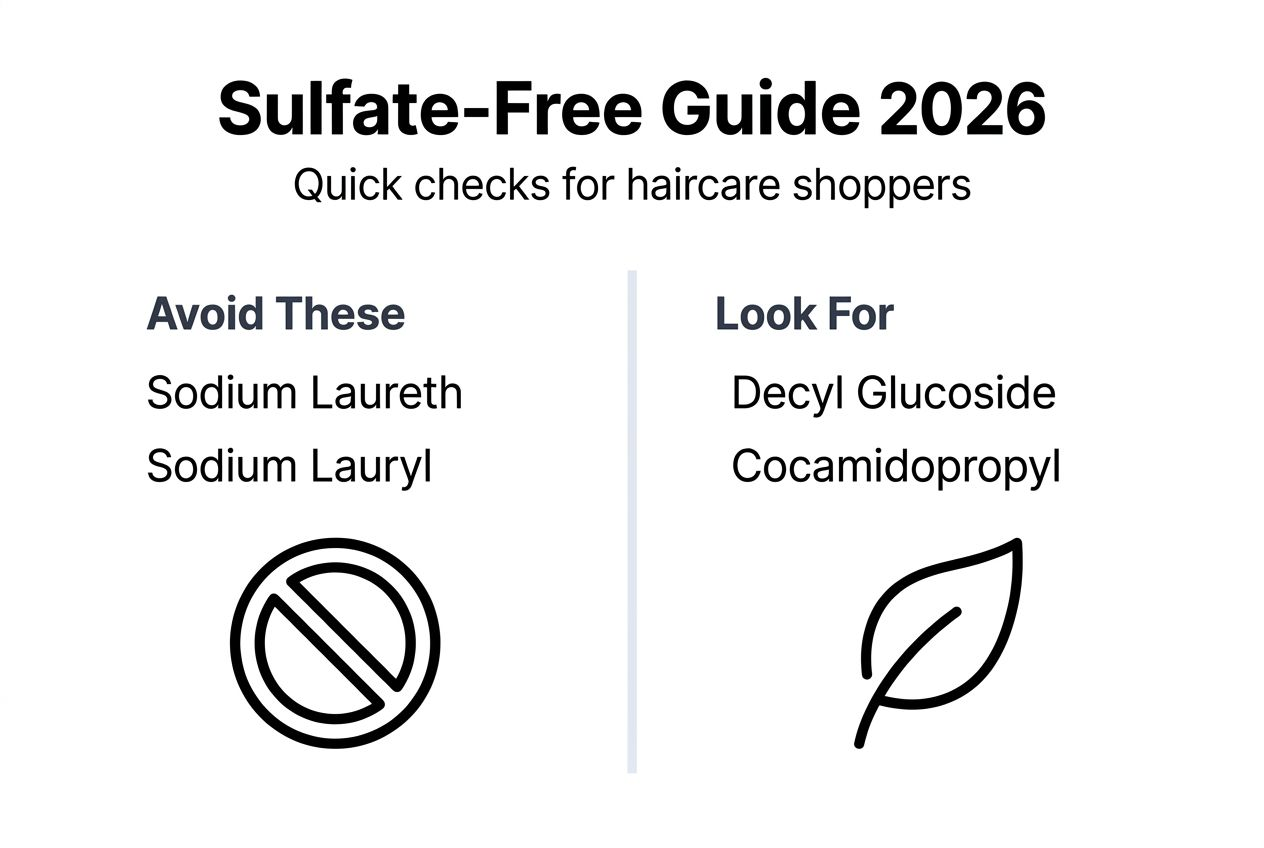
Confusing ambiguous terms like ‘low-sulfate’ or ‘reduced sulfate’ with complete absence misleads shoppers. These descriptors suggest lower concentrations or milder sulfate types, but the product still contains these surfactants. If you require truly sulfate-free haircare, reject any product mentioning sulfates in any form.
Common pitfalls include:
- Trusting ‘dermatologist tested’ claims without checking ingredient lists
- Overlooking Sodium Coco-Sulfate and other mild sulfate derivatives
- Purchasing based on price alone, assuming expensive products must be sulfate-free
- Ignoring ingredient order, missing that sulfates appear early in the list
- Failing to verify cruelty-free claims through recognised certification logos
To avoid these mistakes, develop a verification routine that prioritises ingredient analysis over marketing language. Cross-reference claims with certification logos, research brand transparency, and consult independent reviews before committing to a purchase. This disciplined approach ensures your haircare products align with clean beauty standards and deliver genuine benefits.
Expected benefits and outcomes from switching to sulfate-free haircare
Transitioning to genuine sulfate-free products delivers measurable improvements in hair and scalp health, though results vary based on individual hair type, previous damage, and product formulation. Setting realistic expectations helps you stay committed during the adjustment period when hair may feel different as it adapts to gentler cleansing.
Reduction of scalp irritation and dryness typically becomes noticeable within 14-28 days of consistent use. Your scalp’s natural oil production rebalances as harsh sulfates no longer strip protective sebum, reducing itching, flaking, and redness. Those with conditions like seborrhoeic dermatitis or sensitive skin often experience the most dramatic relief.
Improved hair moisture retention manifests as smoother texture, enhanced shine, and reduced frizz over several weeks. Sulfate-free formulations preserve natural lipids that protect hair cuticles, preventing the dryness and brittleness associated with traditional shampoos. Colour-treated hair retains vibrancy longer as gentler cleansing prevents premature fading.
Expected benefits include:
- Reduced scalp sensitivity and irritation within two to four weeks
- Enhanced hair moisture, softness, and natural shine
- Longer-lasting hair colour and reduced fading
- Alignment with clean beauty and cruelty-free ethical standards
- Decreased need for intensive conditioning treatments
“Most users notice reduced scalp irritation within 14 to 28 days of switching to sulfate-free products, with hair texture improvements appearing gradually over the following weeks as natural moisture balance restores.”
Remember that initial use may feel unusual as your hair adjusts to lower lather and different rinsing characteristics. This transition period typically lasts one to two weeks, after which you’ll appreciate the gentler, more nourishing cleansing experience. Patience during this phase ensures you reap the full benefits of sulfate-free haircare.
Explore premium sulfate-free haircare products at LUXEVA
Having learnt to identify genuinely sulfate-free, cruelty-free haircare, you’re ready to discover products that meet these exacting standards. LUXEVA curates a premium collection of sulfate-free formulations combining natural ingredients with scientific efficacy, ensuring gentle yet effective care for your hair.

Our transparent ingredient listings and cruelty-free certifications remove guesswork from your purchasing decisions. Whether you’re exploring biotin-enriched treatments, argan oil rituals, or rosemary mint revitalisation, every product aligns with clean beauty principles. Learn about sulphate-free shampoos through our expert guides, then compare top sulfate-free shampoos to find your perfect match.
Experience the confidence that comes from shopping premium sulfate-free haircare backed by science, nature, and ethical values. Your journey to healthier, more beautiful hair begins with informed choices that LUXEVA makes simple and accessible.
Frequently asked questions
How can I tell if a product contains hidden sulfates?
Examine ingredient lists for any term ending in ‘-sulfate’ beyond SLS and SLES, such as Sodium Coco-Sulfate, Ammonium Lauryl Sulfate, or Magnesium Laureth Sulfate. Use ingredient decoding apps like Think Dirty or EWG’s Skin Deep to scan barcodes and identify derivatives manufacturers downplay in marketing materials.
Are ‘natural’ or ‘organic’ shampoos always sulfate-free?
No, natural or organic claims do not guarantee sulfate-free formulations. Sulfates can derive from natural sources like coconut oil, allowing brands to use these marketing terms whilst including irritating surfactants. Always verify ingredient lists regardless of front-of-pack claims to ensure products meet your sulfate-free requirements.
How long does it take to see benefits from using sulfate-free haircare?
Scalp irritation typically improves within 14 to 28 days of consistent sulfate-free product use. Hair moisture retention and texture enhancements develop gradually over four to eight weeks as your scalp’s natural oil production rebalances and cuticles repair from previous sulfate damage.
What certification logos should I look for to verify cruelty-free sulfate-free products?
Seek Leaping Bunny, Cruelty Free International, or Vegan Society logos on product packaging. These certifications indicate independent verification of ethical standards beyond brand self-declarations, ensuring products align with cruelty-free and clean beauty values you prioritise.
Can I trust ‘low-sulfate’ or ‘reduced sulfate’ product claims?
These terms suggest lower concentrations or milder sulfate types but confirm the product still contains sulfates. If you require genuinely sulfate-free haircare to avoid irritation or align with clean beauty principles, reject any product mentioning sulfates in any form and verify complete absence through ingredient list examination.