


Finding gentle, effective ways to nurture hair growth is a top priority for many British women seeking cruelty-free solutions. The desire for lusher, stronger hair often leads to exploring natural treatments like scalp massage, which uses rhythmic fingertip or tool techniques to boost micro-circulation and follicle activity. Scientific research reveals that consistent scalp massage can enhance blood flow and stimulate hair growth genes, offering a promising route for those who value premium care and natural results.
Table of Contents
- What Is Scalp Massage for Hair Growth?
- How Scalp Massage Stimulates Hair Health
- Different Massage Techniques and Tools
- Scientific Evidence and Real-World Results
- Risks, Limitations, and Common Myths
- Complementary Natural Solutions for Hair Growth
Key Takeaways
| Point | Details |
|---|---|
| Scalp Massage Enhances Hair Growth | Targeted techniques improve blood circulation and stimulate hair follicles, potentially leading to thicker hair. |
| Biological Mechanisms Involved | Mechanical stimulation activates growth pathways and improves nutrient delivery to hair follicles. |
| Use of Various Techniques and Tools | Incorporating manual techniques and specialized tools can maximise massage benefits and stimulate scalp health. |
| Complement with Natural Solutions | Nutritional supplements and essential oils can further support hair growth when integrated into a holistic care approach. |
What Is Scalp Massage for Hair Growth?
A scalp massage is a targeted therapeutic technique designed to stimulate hair growth through deliberate, rhythmic manipulation of the scalp. Precise scalp massage techniques involve applying gentle, circular motions with fingertips or specialised tools to boost micro-circulation and mechanically activate hair follicles.
The primary objective of scalp massage is creating an optimal physiological environment for potential hair regeneration. By applying strategic pressure across the scalp, these techniques aim to enhance blood flow, reduce tissue tension, and stimulate the dermal papilla cells responsible for hair production. Research suggests that consistent massage can potentially improve hair thickness and encourage follicular health through mechanical stimulation.
Scalp massages typically involve several key techniques:
- Gentle circular motions using fingertips
- Rhythmic kneading across different scalp regions
- Application of light to moderate pressure
- Using specialised massage tools designed for scalp stimulation
These techniques work by potentially increasing local blood circulation, reducing stress-related tension, and mechanically signalling hair follicles to enter active growth phases. Hair follicle stimulation methods suggest that regular massage might help create a more conducive environment for potential hair growth.
Pro tip: Incorporate scalp massage into your routine for 5 minutes daily, using gentle yet firm circular motions to maximise potential hair growth benefits.
How Scalp Massage Stimulates Hair Health
Scalp massage operates through sophisticated biological mechanisms that directly influence hair health at the cellular level. Gene expression changes reveal how mechanical stimulation triggers complex physiological responses within hair follicles, activating critical growth pathways.
The primary biological mechanism involves mechanical stress transmission to dermal papilla cells, which initiates a cascade of genetic and cellular responses. By applying targeted pressure and rhythmic movements, scalp massage stimulates increased blood circulation, delivering essential oxygen and nutrients directly to hair follicles. This enhanced circulation supports optimal follicular function, potentially encouraging more robust and sustained hair growth.
Key biological processes stimulated by scalp massage include:
- Upregulation of hair growth genes (VEGF, WNT, BMP)
- Downregulation of hair loss-related genetic expressions
- Enhanced nutrient delivery to follicular regions
- Reduction of localised muscle tension
- Stress hormone modulation
Scalp muscle tension reduction plays a crucial role in supporting overall hair health. Chronic stress and muscular tension can negatively impact hair growth cycles, and regular massage helps counteract these detrimental physiological responses by promoting relaxation and improving local blood dynamics.

Pro tip: Integrate scalp massage techniques using light, consistent pressure and circular motions to maximise potential cellular stimulation and hair growth potential.
Different Massage Techniques and Tools
Scalp massage encompasses a diverse range of techniques and tools designed to stimulate hair growth and improve overall scalp health. Proven massage techniques include multiple approaches that target different aspects of follicular stimulation and circulation enhancement.
Traditional manual techniques form the foundation of effective scalp massage. These include:
- Circular fingertip motions
- Gentle kneading movements
- Rhythmic tapping across the scalp
- Light pulling to stimulate blood flow
- Pressure point activation
Advanced tools have emerged to complement these manual techniques, offering more precise and consistent stimulation. Scalp massage tools range from specialised electric devices to manual brushes and combs designed specifically for scalp stimulation. Electric massagers provide vibrational stimulation, while specialised brushes with soft bristles can help distribute natural scalp oils and increase circulation without causing damage.
Essential oils can significantly enhance the effectiveness of scalp massage techniques. Incorporating oils like peppermint, rosemary, and lavender can provide additional therapeutic benefits, helping to nourish the scalp and potentially support hair growth. The duration of massage is equally important, with experts recommending sessions lasting between 5 to 20 minutes for optimal results.
Pro tip: Experiment with different massage techniques and tools, rotating between manual and electric methods to prevent adaptation and maintain consistent scalp stimulation.
Here is a comparison of scalp massage tools and their typical benefits:
| Tool Type | Key Benefit | Suitability |
|---|---|---|
| Manual Fingertips | Promotes relaxation, no equipment | Suitable for all users |
| Electric Massager | Increased consistency, vibrational stimulation | Best for frequent use |
| Soft Bristle Brush | Distributes scalp oils gently | Ideal for sensitive scalps |
| Scalp Comb | Targets specific scalp areas | Good for precise use |
Scientific Evidence and Real-World Results
Scientific investigation into scalp massage reveals promising, albeit preliminary, evidence supporting its potential for hair growth and follicular health. Small-scale research studies have demonstrated intriguing results, indicating measurable improvements in hair thickness and overall scalp condition.
Key research findings highlight significant potential benefits:
- A 2016 study involving nine men showed increased hair thickness after daily 4-minute massages
- A 2019 survey reported 69% of participants experienced improvements in alopecia symptoms
- Participants performing twice-daily massages noted reduced hair shedding
- Mechanical stimulation appears to trigger positive cellular responses
Emerging clinical observations suggest that standardised scalp massage can mechanically stretch dermal papilla cells, potentially enhancing follicular activity. Gene expression data indicates that consistent massage might trigger cellular mechanisms supporting hair regeneration. However, researchers emphasise the need for larger, more comprehensive controlled trials to establish definitive protocols and conclusive evidence.
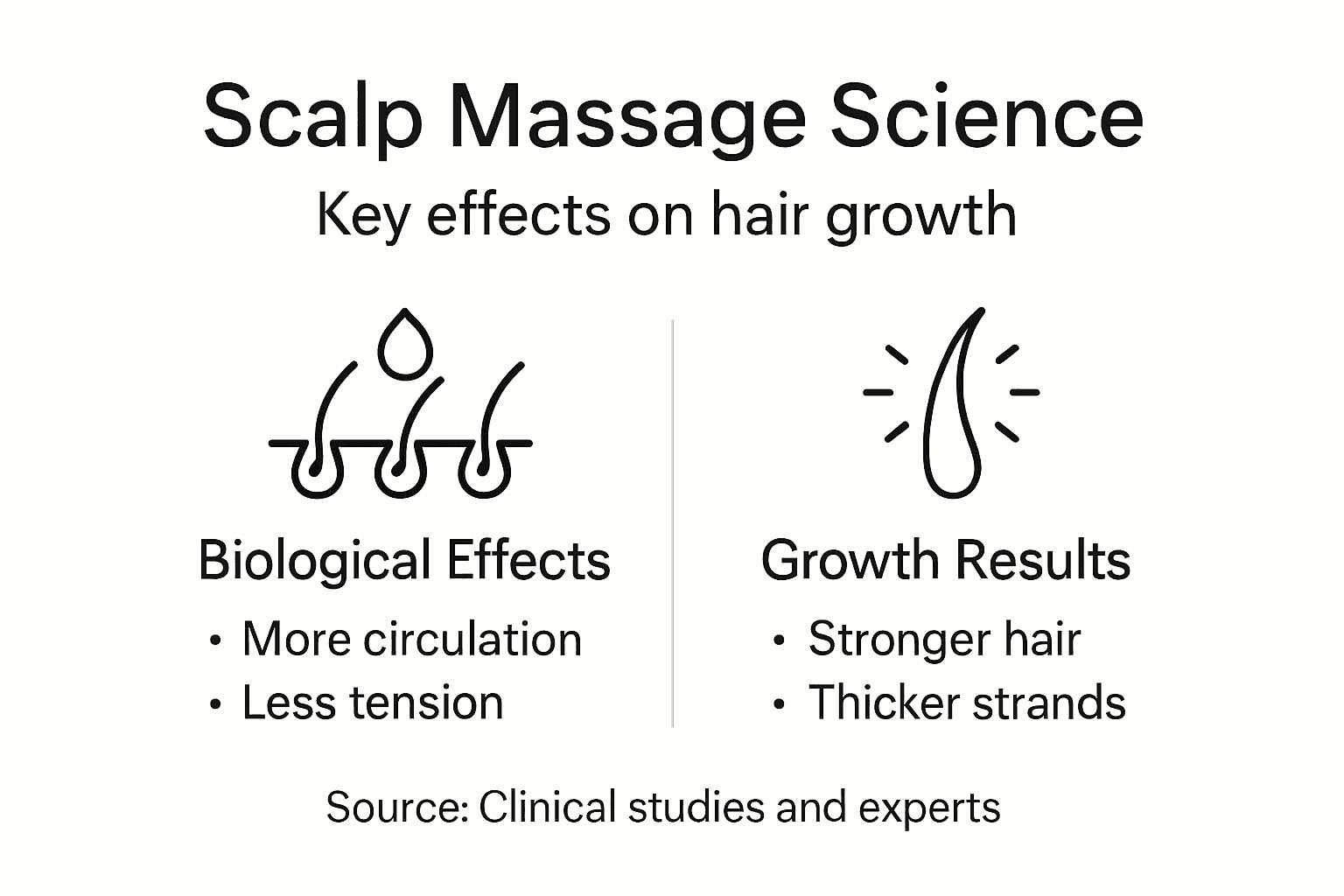
While individual results may vary, the current scientific landscape presents an optimistic perspective on scalp massage as a potential non-invasive approach to supporting hair health. The combination of mechanical stimulation, increased blood circulation, and potential genetic signalling makes scalp massage an intriguing area of ongoing research.
Pro tip: Maintain consistent, documented massage techniques and track your personal results to contribute to the growing body of anecdotal evidence.
Risks, Limitations, and Common Myths
Scalp massage, while generally considered safe, is not a miracle solution for hair growth and comes with important considerations and realistic expectations. Scalp massage misconceptions frequently circulate, creating unrealistic understanding about its potential and limitations.
Common myths about scalp massage include:
- Instant hair growth will occur
- Massages can directly cause hair loss
- Oils can completely eliminate scalp conditions
- Frequent massages guarantee significant hair restoration
Myth-busting research reveals that scalp massage is best understood as a supportive technique rather than a standalone treatment. While it can improve circulation and potentially reduce stress, it should not replace medical interventions for serious hair loss conditions. Proper technique is crucial – excessive pressure or aggressive manipulation might actually cause scalp irritation or potentially damage hair follicles.
The primary limitations stem from insufficient large-scale clinical research. Most current evidence remains anecdotal, and individual results can vary significantly depending on factors like genetics, overall health, and underlying scalp conditions. Scalp massage works best as part of a comprehensive hair care approach, complementing professional treatments, balanced nutrition, and good hygiene practices.
Pro tip: Consult a trichology professional before starting any intensive scalp massage regimen, especially if you have pre-existing scalp conditions or hair loss concerns.
Complementary Natural Solutions for Hair Growth
Beyond scalp massage, numerous natural interventions can potentially support and enhance hair growth. Nutritional supplement strategies offer promising complementary approaches for individuals seeking holistic hair health solutions.
Key natural interventions include:
- Nutritional supplements like Viviscal and Nutrafol
- Pumpkin seed oil
- Plant-based extracts rich in phenolic compounds
- Essential fatty acid supplementation
- Targeted micronutrient intake
Botanical extract research demonstrates that specific plant compounds can modulate hair growth mechanisms. Compounds containing terpenes and phenolic acids potentially extend hair’s anagen growth phase, reduce oxidative stress, and stimulate dermal papilla cell proliferation. These natural interventions work by influencing growth factors such as IGF-1 and VEGF, creating a more conducive environment for hair regeneration.
While promising, these complementary solutions require careful consideration. Individual responses vary, and consultation with healthcare professionals remains crucial. Supplements should be viewed as supportive strategies, not standalone treatments, and work most effectively when integrated with comprehensive hair care practices, balanced nutrition, and stress management.
Pro tip: Consult a nutritionist or trichologist to develop a personalised natural hair growth strategy tailored to your specific physiological needs.
The table below summarises natural interventions that may complement scalp massage for hair health:
| Natural Solution | Mechanism of Action | Key Consideration |
|---|---|---|
| Viviscal/Nutrafol | Provides nutrients for follicle support | Consult professional for dosage |
| Pumpkin Seed Oil | Contains fatty acids and antioxidants | May require daily application |
| Botanical Extracts | Modulate growth factor pathways | Check for potential allergies |
| Essential Oils | Enhance circulation and relaxation | Dilute before use on scalp |
Elevate Your Scalp Care Routine with LUXEVA’s Natural Hair Solutions
Struggling to maximise the benefits of your scalp massage for hair growth Discover how integrating clean, science-backed haircare can amplify your results. The article highlights key challenges such as improving blood circulation, reducing scalp tension, and stimulating hair follicles through mechanical and biological pathways. Our curated Scalp & Haircare Sets – LUXEVA feature luxurious formulations with potent plant-based ingredients like rosemary mint and argan oil to nourish your scalp and enhance follicular health with every use.

Unleash the full potential of your hair growth routine by combining regular scalp massage with our premium, cruelty-free products designed for optimal scalp stimulation and hydration. Explore our Sulphate Free Shampoo Sets: Elevate Your Haircare Ritual with LUXEVA and transform daily washing into a revitalising experience that supports natural hair revival. Act now to embrace a holistic lifestyle where wellness meets beauty and visit LUXEVASTORE.com to discover exclusive offers and elevate your haircare journey today.
Frequently Asked Questions
What are the benefits of scalp massage for hair growth?
Scalp massage can potentially enhance blood circulation, reduce muscle tension, and stimulate hair follicles, creating a more conducive environment for hair growth.
How often should I perform scalp massage for optimal results?
Incorporate scalp massage into your routine for at least 5 minutes daily to maximise potential hair growth benefits.
Can essential oils improve the effectiveness of scalp massage?
Yes, essential oils like peppermint, rosemary, and lavender can enhance the effects of scalp massage by nourishing the scalp and supporting hair growth.
Are there any risks associated with scalp massage?
While generally safe, excessive pressure during scalp massage can cause scalp irritation or damage hair follicles. It’s important to apply gentle, controlled pressure.
Recommended
- Scalp Massagers and Hair Growth: Evidence and Benefits – LUXEVA
- Can scalp massagers be used with hair growth oils? Achieve optimal res – LUXEVA
- Science Behind Hair Growth: Nature Meets Innovation – LUXEVA
- How to Boost Hair Growth Naturally for Luxurious Results – LUXEVA
- Aftershave Selection: Finding Quality Scents Affordably