


Finding a natural way to recover from hair thinning is a real concern for many british women today. With over 60% of women in the UK now seeking cruelty-free, premium products for hair wellness, the demand for gentle solutions has never been higher. Discover how carefully chosen hair growth oils can nourish your scalp, support healthier follicles, and help restore your hair’s natural vitality without compromising on your ethical standards.
Table of Contents
- What Is Hair Growth Oil and How It Works
- Types of Hair Growth Oils for Recovery
- Step-By-Step Application for Best Results
- Maximising Absorption and Scalp Health
- Mistakes to Avoid for Optimal Growth
Key Takeaways
| Point | Details |
|---|---|
| Effective Ingredients | Hair growth oils contain beneficial ingredients like biotin, keratin, and botanical extracts that support scalp health and enhance hair follicle function. |
| Application Techniques | Consistent application and thorough scalp massage are crucial for maximising nutrient absorption and promoting hair growth. |
| Tailored Approaches | Individual hair types and scalp conditions require customised oil selections and application strategies for optimal results. |
| Avoid Common Mistakes | Proper scalp preparation and realistic expectations are vital to prevent application errors that could hinder hair growth progress. |
What Is Hair Growth Oil and How It Works
Hair growth oil represents a specialised blend of natural botanical extracts and essential nutrients designed to support scalp health and stimulate hair follicle function. These carefully formulated oils work by providing targeted nourishment directly to hair roots, creating an optimal environment for robust and healthy hair development.
The fundamental mechanism of hair growth oils involves multiple critical pathways. These oils typically contain ingredients with proven benefits such as improving scalp circulation, reducing inflammation, and delivering essential nutrients like biotin and keratin directly to hair follicles. Supporting scalp health involves fighting potential bacterial or fungal challenges that could impede natural hair growth processes.
Most hair growth oils incorporate botanical ingredients known for their regenerative properties. Common components include argan oil, which provides deep hydration, rosemary extract that stimulates blood circulation, and tea tree oil with potent antimicrobial characteristics. These natural ingredients work synergistically to strengthen hair strands, prevent breakage, and encourage healthier hair growth from the root.
The scientific understanding of hair growth oils suggests they are most effective when applied consistently and massaged thoroughly into the scalp. The massaging action itself helps stimulate blood flow, while the oil’s nutrients penetrate deeply into hair follicles, potentially enhancing their natural growth cycle.
Pro tip: Warm the hair growth oil slightly between your palms before application to improve absorption and maximise potential benefits.
Types of Hair Growth Oils for Recovery
Hair growth oils represent a diverse range of natural extracts, each offering unique benefits for hair recovery and scalp health. Different oils contain specific properties that target various hair and scalp challenges, making them powerful tools for individuals seeking natural hair restoration solutions.
Some of the most effective hair growth oils include coconut oil, renowned for its deep penetrative abilities and capacity to reduce protein loss. Argan oil provides exceptional conditioning, while castor oil stands out for its rich ricinoleic acid content that potentially improves scalp circulation. Jojoba oil mimics natural scalp sebum, offering profound moisturising benefits, and rosemary oil brings anti-inflammatory properties that may stimulate hair follicle growth.
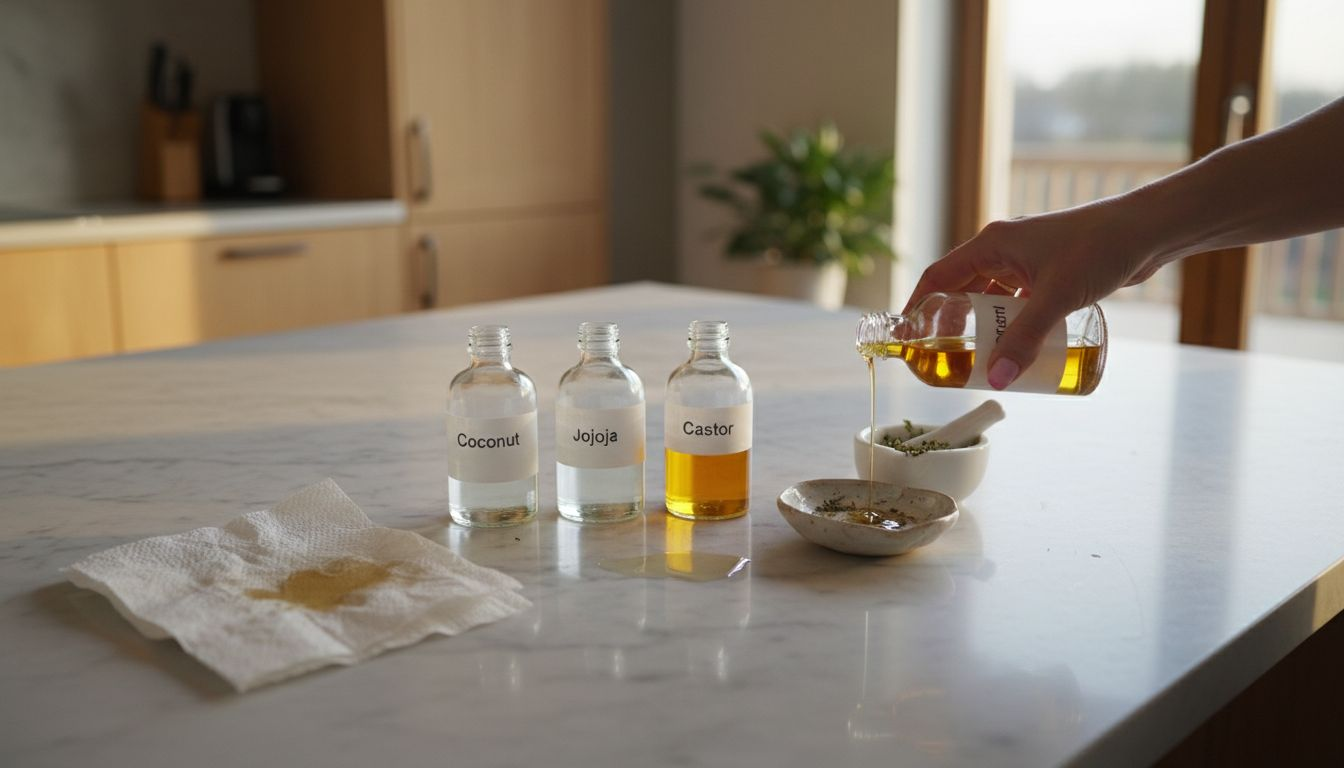
Here’s a summary comparing popular hair growth oils and their distinctive advantages:
| Oil Type | Key Benefit | Best For |
|---|---|---|
| Coconut Oil | Reduces protein loss | Damaged, dry hair |
| Argan Oil | Deep conditioning | Frizzy or brittle hair |
| Castor Oil | Boosts scalp circulation | Thin or shedding hair |
| Jojoba Oil | Restores moisture | Sensitive, flaky scalps |
| Rosemary Oil | Stimulates follicle activity | Slow-growing, dull hair |
Essential oil blends have gained significant popularity in hair recovery strategies. Combining carrier oils like coconut or jojoba with essential oils such as rosemary, peppermint, and lavender can create powerful hair growth treatments. These botanical combinations work synergistically to improve blood flow, deliver essential nutrients, and address underlying scalp inflammation that might impede natural hair growth processes.
Understanding individual hair type and specific recovery needs is crucial when selecting appropriate hair growth oils. Factors such as hair texture, scalp condition, and specific hair challenges will determine which oil or oil combination provides the most effective results. Experimenting with different oils and monitoring their impact can help individuals develop a personalised hair recovery approach.
Pro tip: Conduct a patch test with new hair oils to ensure no allergic reactions and always dilute essential oils with a suitable carrier oil before application.
Step-By-Step Application for Best Results
Achieving optimal results from hair growth oils requires a methodical and thoughtful approach. Proper scalp preparation and application techniques can significantly enhance the effectiveness of natural hair recovery treatments, transforming your hair care routine into a targeted healing process.
The application process begins with thorough scalp cleansing to remove any existing buildup, dirt, or product residue. Next, select your chosen hair growth oil and warm it slightly between your palms to improve absorption. Sectioning your hair and applying the oil directly to the scalp using gentle circular motions helps stimulate blood circulation and ensures maximum nutrient penetration. Focus on massaging the oil into the roots and scalp, rather than saturating the hair lengths, which can lead to unnecessary greasiness.
Consistency is paramount when implementing a hair growth oil routine. Most experts recommend applying the oil 2-3 times per week, leaving it on for a minimum of 30 minutes or ideally overnight to allow deep conditioning and nutrient absorption. For individuals with sensitive scalps or those new to hair oils, starting with shorter application times and gradually increasing duration can help prevent potential irritation. Always dilute essential oils with a carrier oil to reduce the risk of adverse reactions and ensure a gentle, nourishing treatment.
Different hair types and scalp conditions may require personalised approaches to oil application. Those with fine or oily hair might prefer lighter oils applied sparingly, while individuals with coarse or dry hair could benefit from more intensive, longer-duration treatments. Monitoring your scalp’s response and adjusting your technique accordingly will help you develop a customised hair growth oil strategy that meets your specific needs.
Pro tip: Use a silk or satin pillowcase when leaving hair oils on overnight to prevent oil transfer and protect your bedding.
Maximising Absorption and Scalp Health
Optimal hair growth begins with understanding and nurturing scalp health, a critical foundation for effective oil absorption and hair regeneration. Maintaining a balanced scalp environment is essential for maximising the potential of hair growth treatments and supporting long-term hair wellness.
The key to successful absorption lies in creating an ideal scalp ecosystem. This involves gentle yet thorough cleansing to remove accumulated sebum, sweat, and product residue without disrupting the natural protective barrier. Inflammation and oxidative stress can significantly impede hair follicle function, making it crucial to choose gentle, nourishing products that support scalp health. Avoid harsh chemical treatments and overwashing, which can strip away natural oils and compromise the scalp’s delicate microbiome.
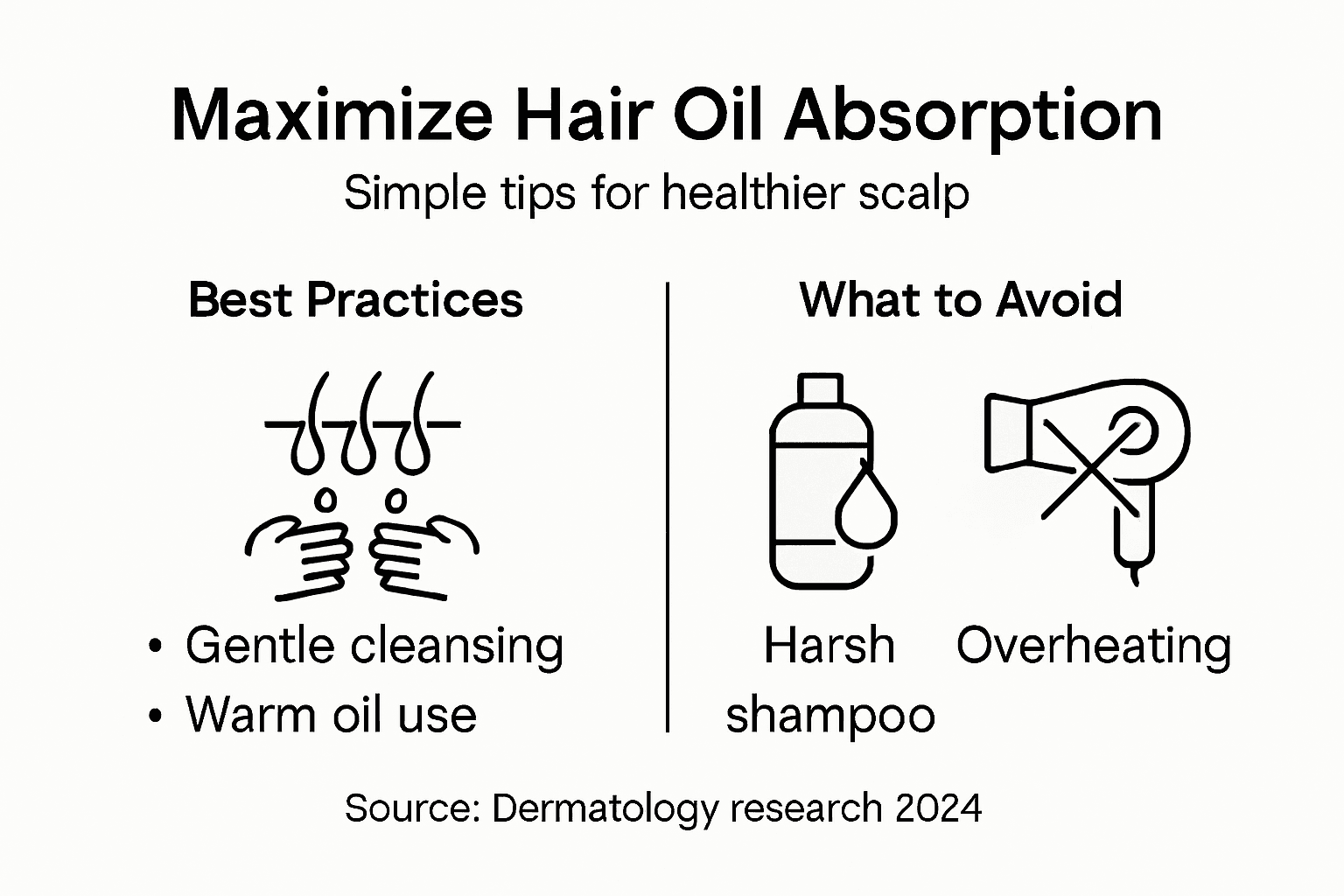
Scientific research underscores the profound connection between scalp condition and hair growth effectiveness. Topical antioxidants and barrier-enhancing agents play a pivotal role in creating an optimal environment for nutrient absorption. Different scalp types require tailored approaches – individuals with dry scalps might benefit from more intensive moisturising treatments, while those with oily scalps need balanced, light formulations that prevent excess sebum production without causing irritation.
Developing a holistic approach to scalp health involves more than just topical treatments. Nutrition, stress management, and overall wellness significantly impact scalp condition and hair growth potential. Regular scalp massages, proper hydration, and a balanced diet rich in vitamins and minerals can enhance the effectiveness of hair growth oils and support long-term hair health.
Pro tip: Perform a weekly scalp analysis to understand your specific scalp needs and adjust your hair care routine accordingly.
Mistakes to Avoid for Optimal Growth
Successful hair growth oil treatments require precision and understanding, with numerous potential pitfalls that can compromise results. Common application errors can significantly undermine the effectiveness of even the most premium hair growth products.
One of the most critical mistakes involves improper scalp preparation and oil application. Applying hair growth oils to an unclean scalp creates a barrier that prevents nutrient absorption, essentially rendering the treatment ineffective. Buildup from sebum, styling products, and environmental pollutants must be thoroughly removed before oil application. Additionally, many individuals make the error of over-applying oil, which can clog hair follicles and lead to scalp irritation, potentially exacerbating hair loss issues rather than promoting growth.
Temperature and technique play crucial roles in maximising hair oil effectiveness. Applying excessive heat immediately after oiling can damage hair proteins and scalp health. Equally problematic are tight hairstyles and aggressive chemical treatments that can cause follicle stress and impede natural hair growth processes. Individuals must also be cautious about using undiluted essential oils, which can cause severe scalp reactions, and avoid maintaining oil treatments for excessive durations that might disrupt the scalp’s natural balance.
Perhaps the most significant mistake is unrealistic expectation management. Hair growth is a gradual process requiring consistent, patient application of treatments. Many people become discouraged when they do not see immediate results, leading to inconsistent usage or premature abandonment of their hair growth strategy. Understanding that meaningful hair transformation occurs over months, not days, is essential for maintaining a successful hair growth oil regimen.
This table outlines common mistakes with hair growth oils and strategies to avoid them:
| Mistake | Why It Matters | Best Practice |
|---|---|---|
| Over-applying oil | Can clog hair follicles | Apply a small, even amount |
| Skipping scalp cleansing | Reduces nutrient uptake | Start with a clean scalp |
| Using undiluted essentials | May cause irritation | Always mix with a carrier oil |
| Expecting immediate results | Leads to frustration | Track progress over several months |
Pro tip: Keep a detailed journal tracking your hair oil application, noting frequency, duration, and any observable changes to help refine your personalised hair growth approach.
Unlock Your Natural Hair Growth Potential with LUXEVA
If you are struggling with slow hair growth, scalp irritation, or finding the right nourishing treatment to stimulate your hair follicles then LUXEVA offers carefully curated solutions to meet your needs. Our Scalp & Haircare Sets – LUXEVA combine clean, plant-powered ingredients like argan oil and rosemary extract designed to improve scalp circulation and promote healthier hair from the root. Experience luxurious, scientifically-backed rituals free from sulfates and parabens that support your scalp’s natural ecosystem.

Take the step today and transform your haircare routine with premium products meticulously crafted to nourish, protect and restore. Visit LUXEVASTORE.com now to explore our full collection and elevate your hair growth journey. Your scalp deserves the best care – start your natural revival with Sulphate Free Shampoo Sets: Elevate Your Haircare Ritual with LUXEVA and feel the difference with each use.
Frequently Asked Questions
What is hair growth oil and how does it work?
Hair growth oil is a blend of natural botanical extracts and essential nutrients designed to promote scalp health and stimulate hair follicle function. It improves scalp circulation, reduces inflammation, and delivers vital nutrients like biotin and keratin to hair follicles.
How often should I apply hair growth oil for the best results?
Experts recommend applying hair growth oil 2-3 times a week. It should be left on for a minimum of 30 minutes, or ideally overnight, to allow deep conditioning and nutrient absorption.
Can I mix different hair growth oils for enhanced benefits?
Yes, combining carrier oils like coconut or jojoba with essential oils such as rosemary or lavender can create a powerful hair growth treatment. These combinations work synergistically to improve blood flow and provide essential nutrients to the scalp.
What mistakes should I avoid when using hair growth oil?
Common mistakes include skipping scalp cleansing before application, over-applying oil, using undiluted essential oils, and expecting immediate results. It’s important to manage expectations and maintain consistent usage for effective hair growth.
Recommended
- 7 Best-Rated Hair Growth Oils Available in the UK Explained – LUXEVA
- Natural Oils for Hair – How They Transform Strength and Shine – LUXEVA
- How to Boost Hair Growth Naturally for Luxurious Results – LUXEVA
- How to Apply Hair Oil Naturally for Healthier Hair – LUXEVA
- 7 Nourishing Hair Oils for Healthy, Luxurious Hair Care - Joel C Ma Hair Studio