


Finding a truly natural hair care solution can feel challenging for health-conscious women everywhere. With more than 80% of British shoppers now looking for cruelty-free and paraben-free shampoos, concerns about synthetic preservatives and their effects are growing. Choosing products that embrace gentle, clean formulations matters for scalp comfort, long-term hair restoration, and aligning with global standards for natural beauty. Discover how smart ingredient choices and science can support your journey to vibrant, healthy hair.
Table of Contents
- Defining Parabens-Free Shampoo and Common Myths
- How Parabens Work in Hair Care Products
- Key Health and Environmental Concerns Linked to Parabens
- Main Benefits of Choosing Parabens-Free Shampoo
- Safer Preservation Alternatives and Ingredient Labels
- Comparing Parabens-Free to Other Clean Beauty Options
Key Takeaways
| Point | Details |
|---|---|
| Paraben-free shampoos offer health-focused alternatives | These products omit synthetic preservatives, prioritising gentler formulations for improved scalp health. |
| Common misconceptions about effectiveness | Many consumers incorrectly believe paraben-free shampoos are less effective or more costly. |
| Potential health and environmental risks of parabens | Concerns include hormonal disruption and skin allergies, prompting a shift towards safer alternatives. |
| Transitioning to paraben-free products | Gradual introduction is recommended to allow hair and scalp to adjust and ensure compatibility. |
Defining Parabens-Free Shampoo and Common Myths
Paraben-free shampoos represent a growing trend in hair care that prioritises health-conscious consumers seeking gentler alternatives. These specialised hair products deliberately exclude synthetic preservatives known as parabens, which have traditionally been used to prevent bacterial and mould growth in cosmetic formulations. Understanding paraben-free haircare reveals a complex landscape of consumer health awareness and scientific investigation.
Common misconceptions about paraben-free shampoos often stem from limited understanding of their composition and benefits. Many consumers believe these products are less effective or more expensive, when in reality, they offer significant advantages. Parabens are synthetic chemicals commonly found in conventional hair care products that have raised concerns about potential hormone disruption and allergenic responses. The absence of these preservatives does not compromise product quality but instead provides a more natural approach to hair maintenance.
The key characteristics of paraben-free shampoos include:
- Utilisation of natural preservative alternatives
- Reduced risk of potential hormonal interference
- Gentler formulations for sensitive scalps
- Alignment with clean beauty movement principles
- Minimised potential for skin irritation
Pro tip: When transitioning to paraben-free shampoo, introduce the new product gradually and observe how your hair and scalp respond to ensure optimal compatibility.
How Parabens Work in Hair Care Products
Parabens are synthetic chemical compounds that play a critical role in preserving cosmetic and hair care formulations. Chemical properties of preservatives reveal these substances as esters of p-hydroxybenzoic acid, specifically designed to inhibit microbial growth and extend product shelf life. Their unique molecular structure allows them to effectively prevent bacterial and fungal contamination in shampoos, conditioners, and other personal care products.
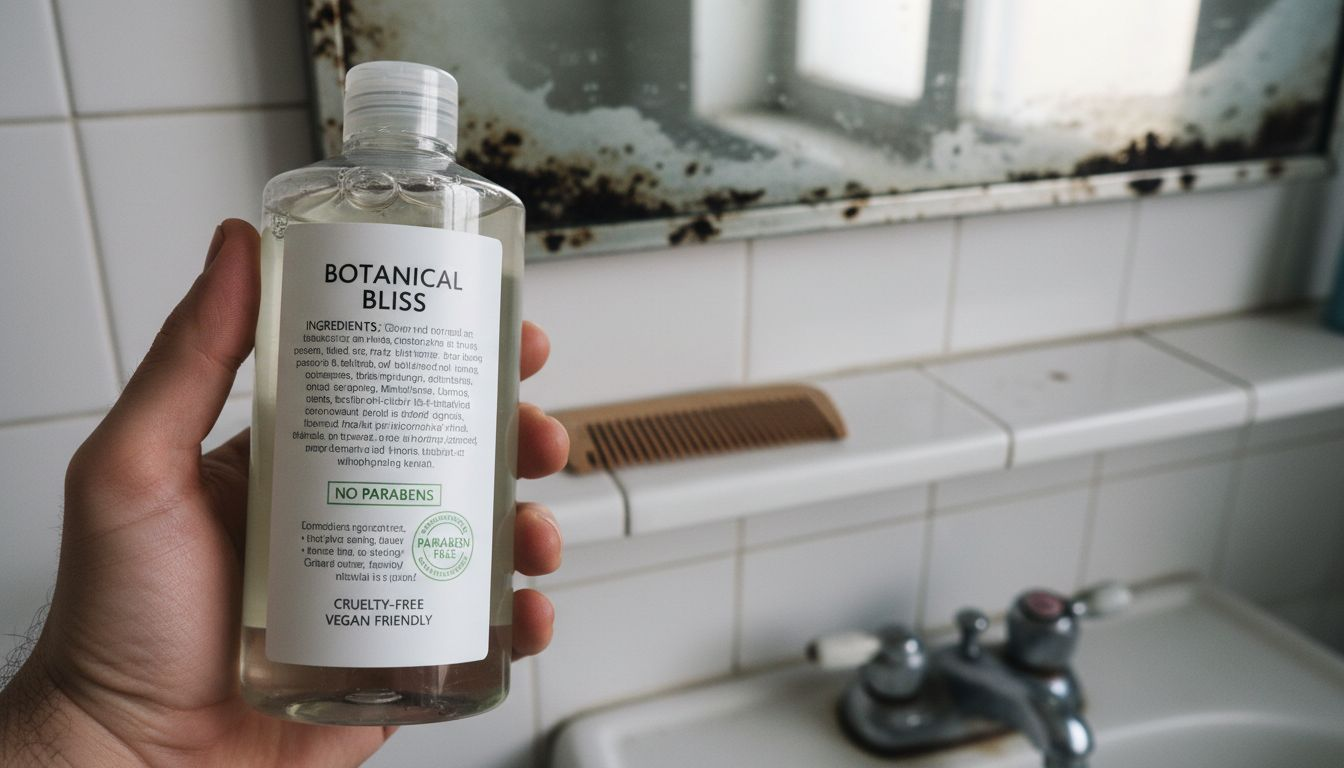
The mechanism of action for parabens is complex and multifaceted. They work by disrupting microorganism cellular processes, essentially preventing reproduction and growth of potentially harmful microbes. While this preservation method has been standard in the cosmetics industry for decades, recent scientific research has raised concerns about their potential long-term health implications. Paraben interactions with biological systems suggest these compounds can potentially mimic estrogen, leading to hormonal disruption concerns.
Key characteristics of parabens in hair care products include:
- Exceptional chemical stability
- Neutral pH compatibility
- Water-soluble properties
- Low cost of production
- Broad-spectrum antimicrobial effectiveness
Pro tip: Always read product ingredient lists carefully and consult with a healthcare professional if you have concerns about potential sensitivities to preservative chemicals.
Key Health and Environmental Concerns Linked to Parabens
Emerging scientific research reveals significant health concerns surrounding parabens, highlighting their potential risks beyond simple preservative functions. These synthetic compounds have been increasingly scrutinised for their ability to accumulate in human tissues and potentially disrupt critical biological systems. Of particular concern is their capacity to mimic oestrogen, which may contribute to hormonal imbalances and associated health complications.
The environmental and human health implications of parabens extend far beyond initial assumptions. Chemical exposure pathways demonstrate that these compounds can cross biological barriers, including the blood-brain barrier and placental membrane, potentially impacting vulnerable populations such as pregnant women and developing foetuses. Scientific investigations have linked paraben exposure to several potential health risks:
Key health concerns include:
- Potential endocrine system disruption
- Increased risk of skin allergies
- Possible links to breast cancer development
- Accumulation in human biological tissues
- Interaction with other environmental chemicals
Pro tip: Consider consulting with a healthcare professional about reducing exposure to synthetic preservatives and exploring natural alternative personal care products.
Main Benefits of Choosing Parabens-Free Shampoo
Paraben-free hair care products offer a transformative approach to personal hair maintenance that prioritises health and environmental consciousness. By eliminating synthetic preservatives, these specialised shampoos provide a gentler alternative that supports both individual well-being and sustainable beauty practices. The decision to switch represents more than a simple product choice—it’s a proactive step towards reducing potential chemical exposure and supporting holistic hair health.
Choosing paraben-free shampoos delivers multiple advantages for individuals seeking comprehensive hair care solutions. These products minimise potential risks associated with synthetic preservatives while offering natural, scientifically-backed formulations that nourish hair from root to tip. The benefits extend beyond immediate hair appearance, encompassing long-term scalp health, reduced chemical absorption, and alignment with clean beauty principles.
Key benefits of selecting paraben-free shampoos include:
- Reduced risk of potential hormonal disruption
- Gentler treatment for sensitive scalps
- Minimised absorption of synthetic chemicals
- Support for more natural hair care ecosystems
- Enhanced compatibility with organic hair treatments
- Potential reduction in skin irritation
Pro tip: Transition to paraben-free products gradually, allowing your scalp and hair to adjust to the new formulation and observing how your individual hair type responds.
Safer Preservation Alternatives and Ingredient Labels
Safer preservation strategies have emerged as critical alternatives to traditional paraben-based formulations, offering consumers more natural and health-conscious hair care options. These innovative approaches prioritise both product safety and efficacy, utilising a range of chemical and botanical ingredients that maintain antimicrobial protection without potential long-term health risks. The evolution of preservation techniques reflects a growing consumer demand for transparency and natural product formulations.
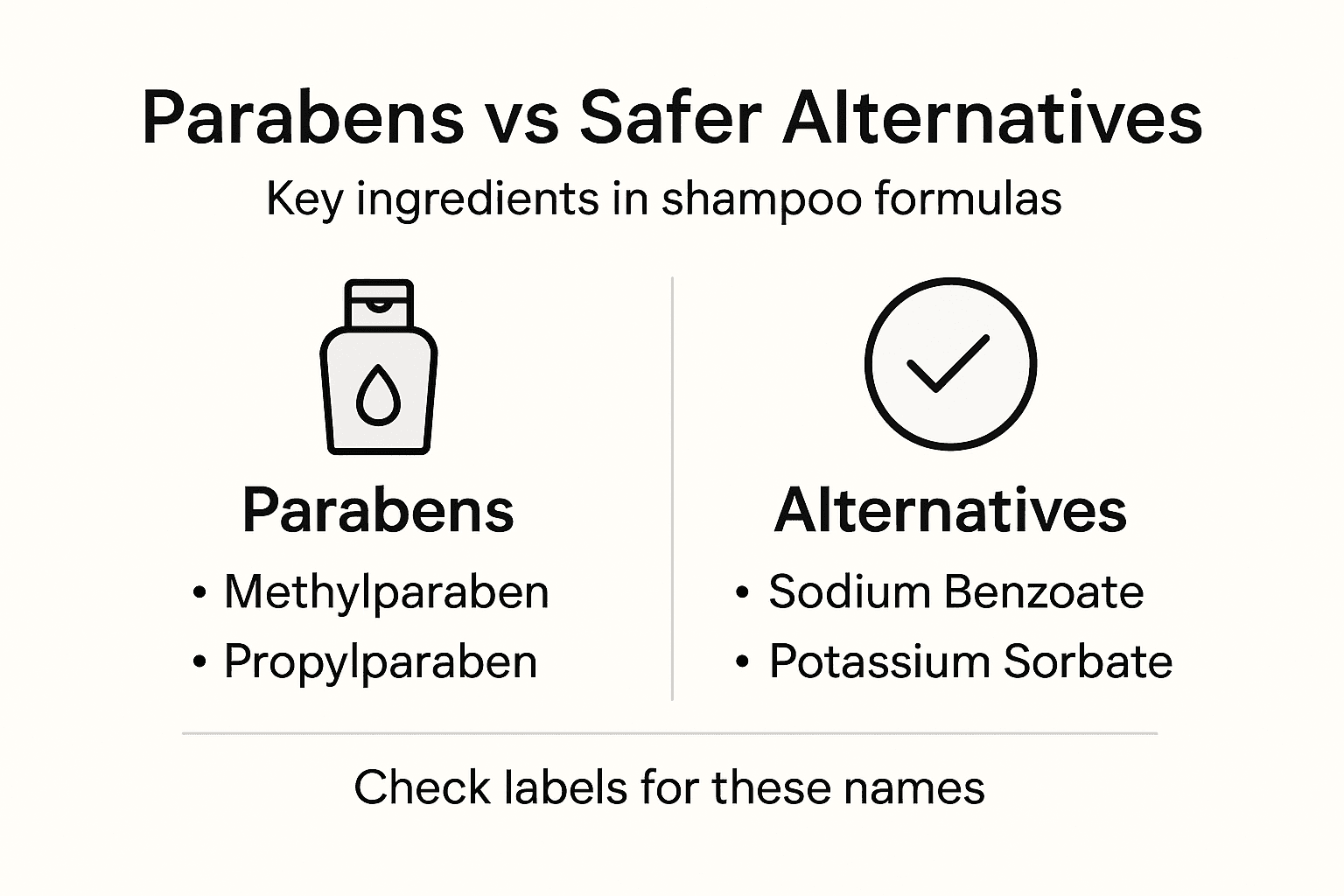
Understanding ingredient labels is crucial for making informed choices about personal care products. Ingredient identification techniques empower consumers to recognise potentially harmful preservatives and select safer alternatives. Modern hair care brands are increasingly transparent about their preservation methods, providing clear labelling that helps individuals make educated decisions about their product selections.
Here is a comparison of common preservatives in hair care and their safety considerations:
| Preservative Type | Typical Use in Haircare | Key Safety Concern | Common Alternative |
|---|---|---|---|
| Parabens | Conventional shampoos | Potential hormonal effects | Phenoxyethanol |
| Formaldehyde releasers | Some hair treatments | Allergic reactions possible | Sodium benzoate |
| Isothiazolinones | Shampoos, conditioners | Skin sensitisation risk | Potassium sorbate |
| Natural extracts | Organic/natural lines | Variable efficacy/safety | Vitamin E, essential oils |
Safer preservation alternatives include:
- Phenoxyethanol: A synthetic alternative with lower health risks
- Sodium benzoate: A naturally derived preservative
- Potassium sorbate: Effective microbial control agent
-
Natural extracts:
- Rosemary extract
- Grapefruit seed extract
- Vitamin E
- Essential oils: Natural antimicrobial agents
Pro tip: Always read ingredient labels carefully, focusing on terms ending in ‘-paraben’ and researching alternative preservation methods to make informed hair care choices.
Comparing Parabens-Free to Other Clean Beauty Options
Natural haircare trends reveal a sophisticated landscape of alternative beauty approaches that prioritise health and environmental consciousness. Paraben-free products represent just one facet of a broader clean beauty movement that challenges traditional chemical-based hair treatments. These alternatives emphasise ingredient transparency, reduced synthetic chemical exposure, and holistic approaches to personal care that extend beyond simple cosmetic effectiveness.
The clean beauty spectrum encompasses multiple approaches, ranging from minimalist no-poo methods to sophisticated organic formulations. Clean beauty product comparisons demonstrate that while these alternatives might differ in cleaning power, they consistently outperform traditional products in scalp health and long-term hair condition. Consumers increasingly recognise that gentler, more natural approaches can provide superior results without compromising hair quality.
Key distinctions between clean beauty options include:
The following table highlights differences between popular clean beauty haircare options:
| Clean Beauty Option | Primary Focus | Ideal For |
|---|---|---|
| Paraben-free shampoo | Reduces synthetic preservatives | Sensitive scalps, daily use |
| Sulphate-free formulation | Avoids harsh cleansers | Dry or curly hair |
| No-poo method | Minimal ingredients | Highly sensitive skin |
| Organic hair treatments | Plant-based actives | Eco-conscious consumers |
- Paraben-free shampoos: Eliminate synthetic preservatives
- Sulfate-free formulations: Reduce harsh cleansing agents
- Organic hair treatments: Utilise plant-based ingredients
- No-poo methods: Minimise chemical interventions
- Natural botanical treatments: Emphasise plant extracts
Pro tip: Experiment with different clean beauty approaches systematically, allowing two to three weeks between product changes to accurately assess individual hair response.
Discover the Power of Paraben-Free Haircare with LUXEVA
If you are concerned about the potential hormonal effects and skin sensitivities linked to parabens, it is time to choose a gentler, healthier haircare routine. Paraben-free shampoos prioritise natural preservation and minimise synthetic chemical exposure, helping you protect your scalp and support long-term hair wellness. At LUXEVASTORE.com you will find curated Scalp & Haircare Sets – LUXEVA that combine clean, plant-powered ingredients with scientifically-backed formulations to deliver nourishing, effective results.

Experience the difference today by exploring our exclusive Sulphate Free Shampoo Sets: Elevate Your Haircare Ritual with LUXEVA. Each product is crafted with your health and beauty in mind and free from parabens, sulfates, and harsh preservatives. Visit https://luxevastore.com now to transform your haircare ritual with premium, cruelty-free treatments designed to revitalise your hair naturally and ethically.
Frequently Asked Questions
What does paraben-free shampoo mean?
Paraben-free shampoo is a hair care product that does not contain synthetic preservatives known as parabens, which are traditionally used to inhibit microbial growth in cosmetics.
Why should I consider using paraben-free shampoo?
Choosing paraben-free shampoo can reduce the risk of potential hormone disruption and skin irritation, making it a gentler option for sensitive scalps and aligning with clean beauty principles.
How do parabens affect hair care products?
Parabens help preserve hair care formulations by preventing bacterial and fungal contamination, but concerns have arisen regarding their long-term health effects, such as potential hormonal interference.
What are some alternatives to parabens in hair care products?
Safer preservation alternatives to parabens include phenoxyethanol, sodium benzoate, and natural extracts like rosemary or grapefruit seed extract, which provide antimicrobial protection without the health risks associated with parabens.