


Scalp irritation, dryness, and brittle hair affect millions of women in the UK who unknowingly use products containing parabens. These synthetic preservatives have sparked health concerns, driving 78% of premium UK consumers to seek paraben-free alternatives that promise gentler care and cleaner ingredients. This guide explores the science, benefits, and ethical considerations behind paraben-free haircare, empowering you to choose products that align with your health priorities and values while achieving softer, healthier hair.
Table of Contents
- Selection Criteria For Paraben-Free Haircare Products
- Key Benefits Of Paraben-Free Haircare For Hair And Scalp Health
- Environmental And Ethical Benefits Of Paraben-Free Products
- Comparison: Paraben-Free Vs Paraben-Containing Haircare Products
- Premium Product Differentiators Within Paraben-Free Haircare
- Situational Recommendations: Choosing The Best Paraben-Free Products For Your Needs
- Summary Comparison Table And Final Takeaways
- Explore Premium Paraben-Free Haircare At LUXEVA
- Frequently Asked Questions
Key Takeaways
| Point | Details |
|---|---|
| Scalp comfort improves significantly | Paraben-free products reduce scalp irritation by up to 35%, offering relief for sensitive skin. |
| Moisture retention increases | Natural oil preservation improves hair hydration by 30%, reducing dryness and brittleness. |
| Visible softness results quickly | 85% of users report noticeably softer hair within just 4 weeks of switching. |
| Ethical production grows rapidly | Cruelty-free paraben-free haircare captured 25% UK premium market share in 2025. |
| Selection requires informed choice | Match products to your hair type and scalp sensitivity for optimal results. |
Selection Criteria for Paraben-Free Haircare Products
Understanding what to look for in paraben-free haircare starts with knowing the chemicals you’re avoiding. Parabens are synthetic preservatives used in cosmetics since the 1920s with concerns about hormonal disruption. Common types include methylparaben, propylparaben, and butylparaben, which appear on ingredient labels across shampoos, conditioners, and styling products.
Scientific research provides nuance to the debate. Studies show parabens show minimal skin absorption (less than 1%) and biologically insignificant estrogenic activity at cosmetic-use levels. However, when combined with sulfates and alcohols, they can intensify scalp dryness and allergic reactions. This combination effect drives many UK women toward cleaner formulations.
Consumer preferences reflect this shift decisively. Research confirms 78% of UK women choosing premium haircare prefer paraben-free products for perceived safety and gentleness. This demand has prompted brands to adopt alternative preservatives like phenoxyethanol, potassium sorbate, and naturally derived options such as rosemary extract.
When evaluating products, consider these essential criteria:
- Certified cruelty-free status from recognized UK bodies like Leaping Bunny or PETA
- Biodegradable alternative preservatives that reduce environmental impact
- Transparent ingredient lists with clear explanations of chemical functions
- Third-party testing verification for safety and efficacy claims
- Compatibility with your specific hair type and scalp condition
Ethical considerations increasingly influence purchase decisions. Cruelty-free certifications ensure no animal testing occurred during development, aligning with values held by modern UK consumers. Understanding paraben-free shampoo benefits helps you identify formulations that deliver both performance and peace of mind. The growing market for clean beauty reflects a broader movement toward conscious consumption, where why use paraben-free haircare becomes as much about values as hair health.
Key Benefits of Paraben-Free Haircare for Hair and Scalp Health
Switching to paraben-free products delivers measurable improvements across multiple hair health indicators. Clinical observations demonstrate that paraben-free products reduce scalp irritation and dryness, improving scalp sensitivity and hair moisture by up to 30%. This significant reduction stems from eliminating harsh preservatives that compromise the scalp’s natural barrier function.
Your scalp’s healing capacity improves noticeably without paraben exposure. Research reveals exposure to parabens can delay wound healing and cause cytotoxic effects on skin cells, potentially worsening scalp health over time. For women with sensitive scalps or conditions like seborrheic dermatitis, this difference becomes particularly important.
The interaction between parabens and other common haircare chemicals amplifies negative effects. Studies confirm parabens combined with sulfates and alcohols may increase scalp dryness and allergic reactions by up to 35%. Choosing products free from all three ingredients maximizes comfort and reduces inflammation risk.
Color-treated hair benefits substantially from paraben-free formulations. These products preserve dye vibrancy 20 to 30% longer than conventional alternatives, reducing the need for frequent salon visits. The gentler cleansing action maintains both natural and artificial color pigments more effectively.
Key advantages include:
- Enhanced moisture retention through preserved natural oil production
- Reduced allergic response frequency and severity on sensitive scalps
- Slower color fading for vibrant, long-lasting results after salon treatments
- Improved hair elasticity and reduced breakage from strengthened strands
- Better scalp microbiome balance supporting overall hair health
Pro Tip: If you have a sensitive scalp, choose paraben-free formulas enriched with chamomile, aloe vera, or calendula. These botanicals provide additional soothing properties while you transition away from harsh preservatives.
Exploring the full range of benefits of paraben-free haircare reveals how clean formulations support long-term hair vitality. The comprehensive paraben-free haircare advantages extend beyond immediate comfort to include protective effects that accumulate with consistent use.
Environmental and Ethical Benefits of Paraben-Free Products
Your haircare choices ripple outward, affecting ecosystems and animal welfare beyond your bathroom. Conventional parabens persist in water systems after washing down drains, accumulating in rivers and oceans. Evidence shows paraben pollution contributes to aquatic toxicity; biodegradable alternatives reduce environmental impact significantly.
The UK market has responded vigorously to consumer environmental concerns. Data confirms cruelty-free paraben-free products grew 25% market share in UK premium segment in 2025. This growth reflects both increased availability and heightened consumer awareness about product testing practices and ingredient sourcing.
Biodegradable alternatives to parabens break down rapidly in water treatment systems. Preservatives like leuconostoc/radish root ferment and sodium benzoate decompose naturally without leaving persistent chemical residues. This reduces long-term environmental burden while maintaining product safety and shelf stability.
Animal welfare considerations drive purchasing decisions for many UK women. Cruelty-free certifications guarantee no animals suffered during product development, ingredient testing, or manufacturing processes. These certifications require rigorous auditing and ongoing compliance verification.
Key environmental and ethical advantages include:
- Reduced aquatic ecosystem contamination from biodegradable preservative systems
- Lower manufacturing carbon footprint from plant-based ingredient sourcing
- Elimination of animal testing through certified cruelty-free production
- Support for sustainable farming practices in botanical ingredient cultivation
- Alignment with circular economy principles through recyclable packaging initiatives
Choosing products that prioritize both personal and planetary health creates positive change through market demand. The rising availability of cruelty-free paraben-free haircare trends demonstrates how consumer preferences drive industry transformation toward more responsible practices.
Comparison: Paraben-Free vs Paraben-Containing Haircare Products
Direct comparison reveals substantial differences in how these product categories affect your hair and scalp. Research demonstrates paraben-free haircare reduces scalp irritation by 35%, improves hair moisture by 30%, and yields 85% user-reported softness improvement within 4 weeks. These metrics provide concrete benchmarks for evaluating your own results after switching.
| Factor | Paraben-Containing Products | Paraben-Free Products |
|---|---|---|
| Scalp irritation incidence | Higher, especially with sensitive skin | 35% lower reported irritation rates |
| Natural oil retention | Often stripped by harsh preservatives | Preserved, improving moisture by 30% |
| Color vibrancy duration | Faster fading from chemical interactions | 20-30% longer color retention |
| Allergic reaction frequency | Elevated risk with sulfate combinations | Significantly reduced sensitivity events |
| User satisfaction at 4 weeks | Variable results | 85% report noticeable softness gains |
Paraben-containing formulations tend to disrupt your scalp’s natural sebum production. This leads to compensatory overproduction in some users or persistent dryness in others. The cycle creates dependency on additional conditioning treatments to manage symptoms caused by the original product.
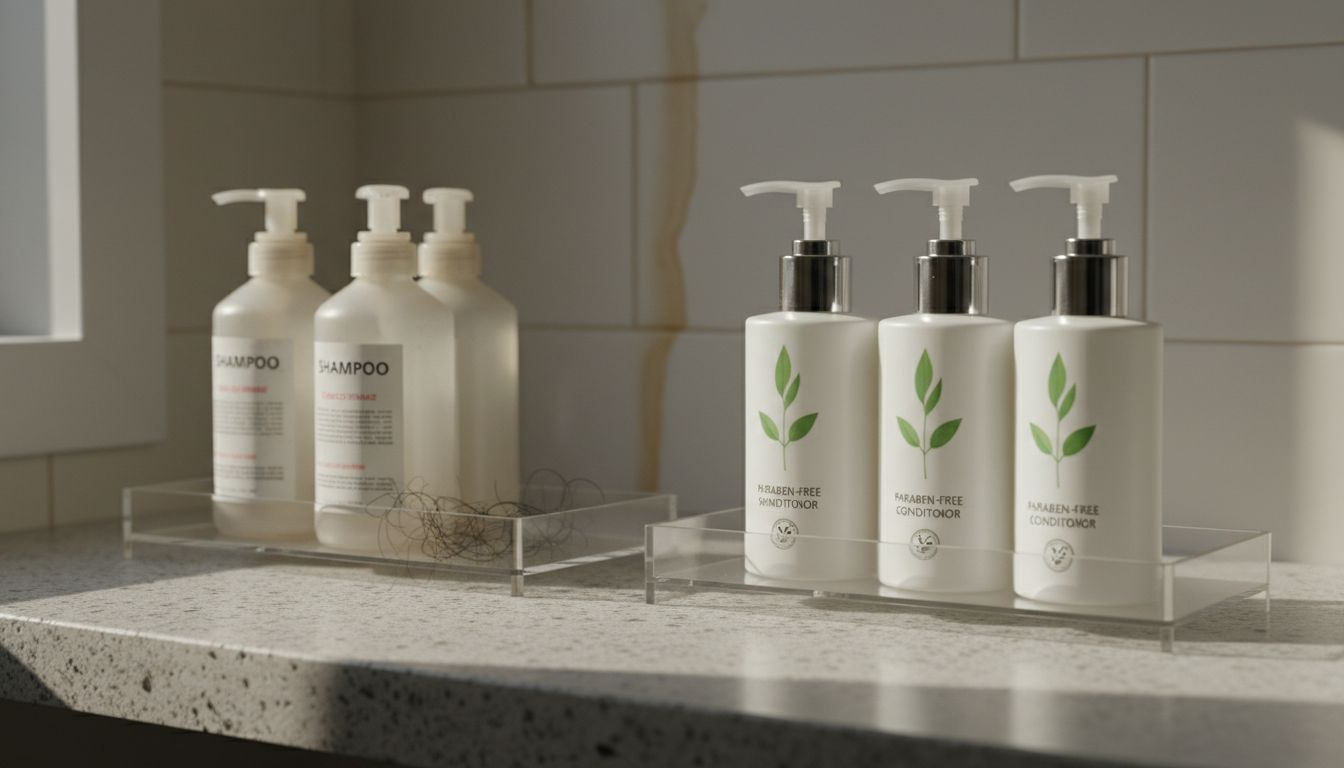
Color-treated hair faces particular challenges with conventional products. Chemical preservatives interact with dye molecules, accelerating oxidation and fading. Paraben-free alternatives use gentler preservation methods that maintain color integrity while still preventing microbial growth.
User experience data strongly favors paraben-free formulations. The majority report improved texture, reduced breakage, and enhanced manageability within the first month. These benefits compound over time as hair and scalp health improves progressively.
Pro Tip: When making the switch, eliminate sulfates and drying alcohols simultaneously for maximum benefit. The synergistic effect of removing all three harsh ingredients accelerates your hair’s recovery and amplifies positive results.
Comparing top paraben-free shampoos UK reveals how formulation quality varies significantly across brands. Understanding sulfate-free shampoo advantages helps you identify products that eliminate multiple problematic ingredients in one solution.
Premium Product Differentiators Within Paraben-Free Haircare
Premium paraben-free products distinguish themselves through scientifically validated natural ingredients that deliver measurable benefits. These formulations combine clean preservation with potent botanicals and oils proven to enhance hair vitality.
Argan oil stands out as a particularly effective ingredient. Research shows ingredients like argan oil increase hair elasticity by 15-20%, contributing to more resilient, youthful hair. This Moroccan oil penetrates the hair shaft, delivering essential fatty acids and vitamin E directly where they’re needed most.
Biotin-enriched formulations address hair strength from a nutritional angle. This B-complex vitamin supports keratin production, the protein that forms hair structure. Regular use results in thicker-feeling strands and reduced breakage at stress points.
Rosemary mint combinations provide dual benefits for scalp and hair. Rosemary stimulates circulation, potentially supporting follicle health, while mint delivers a refreshing sensation and natural antimicrobial properties. The pairing creates an invigorating wash experience with therapeutic benefits.
Caviar extracts represent luxury anti-aging technology in haircare. These marine ingredients contain omega fatty acids, vitamins, and minerals that nourish aging hair. The extracts help maintain moisture balance and protect against environmental stressors that accelerate visible aging.
Key premium ingredients include:
- Argan oil for improved elasticity and shine enhancement
- Biotin for strengthened keratin structure and reduced shedding
- Rosemary extract for scalp circulation and follicle support
- Caviar proteins for anti-aging protection and moisture retention
- Hyaluronic acid for deep hydration and improved manageability
These ingredients appeal to consumers seeking both luxury experience and demonstrable results. The clean beauty movement has elevated expectations, requiring brands to deliver premium performance without compromising on ingredient integrity. Discovering argan oil shampoos UK options reveals how natural ingredients can match or exceed synthetic alternatives in effectiveness.
Situational Recommendations: Choosing the Best Paraben-Free Products for Your Needs
Selecting the right paraben-free haircare requires matching product features to your specific hair type and scalp condition. Evidence confirms paraben-free products formulated for sensitive scalps reduce irritation by up to 35% and improve moisture retention, but only when properly matched to individual needs.
Follow this systematic approach to identify your ideal products:
- Assess your primary hair concern (dryness, oiliness, color fading, sensitivity)
- Identify your scalp condition (normal, sensitive, flaky, oily)
- Review ingredient lists for key beneficial compounds matching your needs
- Verify cruelty-free and environmental certifications if ethics matter to you
- Start with travel sizes to test compatibility before committing to full sizes
- Monitor results over 4 weeks before making final judgments
For dry, brittle hair, prioritize products containing:
- Argan or coconut oil for deep moisture penetration
- Hyaluronic acid to attract and retain water molecules
- Shea butter for protective coating and softness
- Glycerin for humectant properties in humid climates
Oily scalp conditions require different formulations:
- Tea tree oil for natural sebum regulation
- Clay-based ingredients to absorb excess oil
- Lightweight proteins that strengthen without weighing down
- Citrus extracts for gentle clarification
Color-treated hair demands specific protection:
- Antioxidants like vitamin E to prevent oxidation
- UV filters to shield against sun-induced fading
- Amino acids to repair damage from chemical processing
- Acidic pH formulations to seal cuticles and lock color
Sensitive scalp solutions should feature:
- Chamomile or calendula for anti-inflammatory soothing
- Colloidal oatmeal to calm irritation and itching
- Minimal fragrance to reduce allergic trigger risk
- Prebiotic ingredients supporting healthy scalp microbiome
Exploring top scalp care products UK provides curated options for specific concerns. Understanding how to choose paraben-free shampoo based on your unique needs ensures you invest in products that deliver personalized results.
Summary Comparison Table and Final Takeaways
Consolidating all factors into a comprehensive decision matrix clarifies your optimal product choice based on priority concerns.
| Decision Factor | High Priority For | Recommended Product Features | Expected Timeline |
|---|---|---|---|
| Scalp sensitivity | Women with irritation, redness, itching | Soothing botanicals, fragrance-free, pH-balanced | 2-3 weeks for noticeable relief |
| Moisture retention | Dry, brittle, damaged hair types | Oils (argan, coconut), hyaluronic acid, shea butter | 3-4 weeks for improved hydration |
| Color protection | Recently dyed or highlighted hair | Antioxidants, UV filters, sulfate-free formulation | Ongoing with each wash |
| Ethical values | Cruelty-free, environmental concerns | Certified cruelty-free, biodegradable preservatives | Immediate alignment with values |
| Anti-aging benefits | Mature hair, thinning concerns | Biotin, caviar extracts, peptides, growth stimulants | 6-8 weeks for visible improvements |
Your decision should weigh multiple factors simultaneously. A woman with color-treated hair and sensitive scalp needs products addressing both concerns, not just one. Look for formulations explicitly designed for multiple benefit delivery.
Testing remains essential despite research and recommendations. Individual biochemistry varies enough that your response may differ from statistical averages. Commit to a 4-week trial period before judging effectiveness, as hair growth cycles require time to show changes.
Key action steps include:
- Document your starting point with photos and notes about current hair condition
- Introduce one new product at a time to isolate effectiveness
- Track changes weekly for moisture, softness, scalp comfort, and manageability
- Adjust your routine based on seasonal changes affecting hair needs
- Reassess product choices every 3-6 months as your hair health evolves
The paraben-free haircare market continues expanding with improved formulations and more accessible pricing. Your informed choices drive this positive industry transformation while immediately benefiting your personal hair health and ethical alignment.
Explore Premium Paraben-Free Haircare at LUXEVA
Now that you understand the science and benefits behind paraben-free haircare, you can shop with confidence at LUXEVA. Our curated collection features premium formulations that combine clean ingredients with proven effectiveness, all certified cruelty-free and designed for women who refuse to compromise on quality or values.

Discover how paraben-free haircare advantages translate into real results with our scientifically backed product range. From argan oil-enriched treatments to biotin-powered strengthening systems, every formula addresses specific hair concerns while maintaining ethical production standards. Explore our complete scalp and haircare sets designed to work synergistically for maximum benefit. Whether you need sensitive scalp solutions or color protection, our top scalp care products deliver measurable improvements within weeks. Shop LUXEVA today and experience the difference that clean, premium ingredients make for your hair’s health and vitality.
Frequently Asked Questions
What Are Parabens and Are They Harmful?
Parabens are synthetic preservatives introduced to cosmetics in the 1920s to prevent bacterial and mold growth. Current scientific evidence indicates minimal skin absorption (under 1%) and biologically insignificant hormonal activity at typical cosmetic concentrations. However, concerns arise when parabens combine with sulfates and alcohols, potentially increasing scalp irritation by 35%.
How Do Paraben-Free Haircare Products Improve Scalp Health?
They eliminate harsh preservatives linked to dryness, inflammation, and allergic reactions in sensitive individuals. Clinical studies document up to 35% reduction in scalp irritation symptoms within weeks of switching. The gentler formulations preserve natural oil production, improving overall scalp barrier function and comfort.
Are Paraben-Free Products Always More Natural or Safer?
Not necessarily. Paraben-free products use alternative preservatives that may be naturally derived or synthetic. Safety depends on the complete formulation, ingredient quality, and testing rigor, not solely on paraben absence. Some natural preservatives can trigger allergies in certain individuals, making ingredient transparency essential.
Which Paraben-Free Products Are Best for Colour-Treated Hair?
Choose paraben-free shampoo for color-treated hair that also excludes sulfates and includes antioxidants like vitamin E or green tea extract. These formulations reduce color fading by 20 to 30% compared to conventional products. Look for UV protection and acidic pH levels that seal cuticles and lock in dye molecules effectively.