


Finding truly effective haircare that aligns with your values can feel like an endless search. For many British women seeking natural, cruelty-free products, understanding the science behind ingredients is essential. Squalane is a hydrogenated derivative of squalene, a lipid naturally present in your skin’s sebum, known for its exceptional stability and moisturising abilities. This introduction explains how squalane supports healthy hair growth and repair while remaining ethically sourced and suitable for premium beauty routines.
Table of Contents
- What Is Squalane and How It Works
- Types of Squalane in Hair Care
- Mechanisms Supporting Scalp and Follicle Health
- Squalane’s Impact: Shine, Strength, and Breakage
- Comparing Squalane to Popular Growth Ingredients
- Risks, Side Effects and What to Avoid
Key Takeaways
| Point | Details |
|---|---|
| Squalane Benefits | Squalane mimics skin’s natural oils, providing moisture and reducing frizz without greasiness. It supports scalp health, vital for women aged 25 to 45 experiencing hair loss. |
| Sourcing Matters | Modern squalane is primarily plant-based, sourced from sustainable origins like olives and sugarcane, addressing ethical concerns over traditional shark-derived squalane. |
| Synergistic Role | Squalane optimises the scalp environment, enhancing the effectiveness of other hair growth treatments rather than acting as a standalone solution. |
| Safety Profile | Squalane has a low risk of irritation, but individuals with sensitive skin should patch test. Quality of formulation is crucial to avoid adverse reactions. |
What Is Squalane and How It Works
Squalane is not some exotic ingredient dreamed up in a laboratory. It’s actually your skin’s best friend wearing a scientific name. Squalane is a hydrogenated derivative of squalene, a lipid that your body naturally produces as part of your skin’s sebum. Think of squalene as the unstable, temperamental version, and squalane as its refined, dependable cousin. The hydrogenation process stabilises squalene, making it shelf stable and preventing the degradation that would otherwise occur. This simple chemical modification transforms a naturally occurring compound into something that skincare formulators can reliably use in products without worrying about it breaking down over time.
Here’s where it gets relevant to your hair care routine. Squalane mimics your skin’s natural oils, which means it has an almost uncanny ability to integrate with your hair and scalp without feeling heavy or greasy. When you apply squalane to your hair, it doesn’t sit there like a thick coating. Instead, it penetrates and conditions at a molecular level, smoothing the hair cuticle and locking in moisture where it matters most. The mechanism is straightforward: squalane works as an emollient and moisturiser by creating a protective barrier on the hair shaft. This barrier prevents water loss from your strands, which is critical if you’re dealing with dryness, frizz, or brittleness. For scalp health specifically, squalane acts as a natural moisturiser that calms inflammation and maintains the protective barrier of your skin. This is particularly valuable if you struggle with a dry, irritated, or sensitive scalp.
What makes squalane especially valuable for hair growth is its stability and non-irritating nature. Unlike some oils that can oxidise and become problematic over time, squalane’s complete saturation means it won’t degrade into compounds that might clog your scalp or cause inflammation. It also plays well with other active ingredients. You’re not choosing between squalane or your other hair growth treatments, retinol serums, or scalp treatments. Squalane complements these rather than interfering. As a moisturising and anti-inflammatory agent, it provides the foundational hydration and scalp health that allows these other ingredients to work more effectively. For women aged 25 to 45 concerned about premature hair loss or thinning, a healthy scalp environment is non-negotiable. Squalane creates that environment by maintaining moisture balance and reducing the scalp inflammation that can disrupt the hair growth cycle.
The sourcing of squalane matters too, especially for those of you committed to cruelty-free beauty. Whilst squalane was historically derived from shark liver oil, modern formulations use plant-based sources like olive oil and sugar cane. This shift means you can enjoy all the benefits of squalane without the ethical concerns. Your premium haircare products can deliver serious results and align with your values simultaneously.
Pro tip: Apply squalane to damp hair and scalp immediately after showering to maximise absorption and lock in moisture from the water, rather than using it on completely dry hair.
Types of Squalane in Hair Care
When you’re shopping for squalane-based haircare products, you’re likely encountering only one active ingredient but multiple origins. The type of squalane you’re getting depends entirely on where it comes from, and this matters far more than most people realise. Historically, squalane was derived from shark liver oil, a practice that raised serious environmental and ethical concerns. Sharks are slow-breeding creatures, and the scale of harvesting required to supply the cosmetic industry created genuine ecological damage. Thankfully, the industry has shifted dramatically. Today, plant-derived squalane dominates commercial haircare, sourced from sustainable agricultural crops rather than marine life. This shift isn’t just marketing speak. It represents a genuine commitment to sustainability without compromising on the science or efficacy of your hair treatments.
Plant-Based Sources: The Modern Standard
The vast majority of premium squalane haircare products now use plant-based sources, and understanding where your squalane comes from helps you make informed choices aligned with your values. Olive oil is one of the richest natural sources of squalene, which is then hydrogenated into squalane. This origin makes sense given Europe’s established olive cultivation and the ingredient’s proven safety profile in Mediterranean skincare traditions spanning centuries. Sugarcane-derived squalane has gained significant traction because sugarcane is widely cultivated, renewable, and produces high-quality squalane through extraction and hydrogenation processes. Rice bran offers another sustainable option, particularly valuable in Asian markets where rice cultivation is integral to agricultural systems. The beauty of these plant-based alternatives is that they deliver identical benefits to older shark-derived formulations whilst offering sustainable and cruelty-free production methods. You’re not sacrificing performance for ethics. You’re getting both.
Quality does vary depending on the raw materials and extraction methods used. A squalane derived from premium olive oil in Southern Europe will have a different microbial profile and purity level than squalane from more industrialised sources. This is why luxury haircare brands often specify their squalane origins rather than remaining vague about sourcing. When you see a product highlighting “Tuscan olive-derived squalane” or “sugarcane-derived squalane,” that specificity usually reflects attention to quality control and supply chain transparency. For women aged 25 to 45 investing in premium haircare, this transparency signals whether a brand truly prioritises clean, high-quality formulations or simply uses standard ingredients dressed up in marketing language. The regulatory environment around plant-based squalane is mature enough now that suppliers can reliably deliver consistent quality, meaning you’re not rolling a dice on efficacy or safety when choosing plant-derived options.
One practical consideration: plant-based squalane tends to be slightly more expensive than older shark-derived alternatives, which is why some mass-market brands might still cling to traditional sourcing. However, for the cruelty-free, ethically-minded consumer, the price difference is negligible compared to the environmental and ethical peace of mind. Your hair benefits identically whether the squalane came from olives or sugarcane, so the choice really becomes about supporting sustainable practices and brands that align with your values. Premium haircare is as much about what you’re supporting as what you’re applying to your scalp.
Here is a comparison of squalane origin types and their key attributes for haircare:
| Source Type | Typical Raw Material | Environmental Impact | Suitability for Ethical Buyers |
|---|---|---|---|
| Shark-derived | Shark liver oil | Harmful, unsustainable | Not suitable |
| Olive-based | European olives | Sustainable, low pollution | Excellent |
| Sugarcane-based | Sugarcane crops | Renewable, minimal impact | Highly suitable |
| Rice bran-based | Rice cultivation | Regionally sustainable | Suitable |
Pro tip: Check product ingredient lists and brand sustainability statements to confirm plant-based sourcing, as some companies may not explicitly state their squalane origin, making due diligence on brand websites or customer service enquiries worthwhile before committing to a purchase.
Mechanisms Supporting Scalp and Follicle Health
Your hair doesn’t grow in isolation. It emerges from a complex ecosystem beneath your scalp, where dozens of biological processes work in concert to determine whether your follicles thrive or falter. Squalane doesn’t magically force hair growth, but it addresses fundamental conditions that allow growth to happen naturally. The mechanism centres on three interconnected processes: maintaining scalp hydration, protecting follicles from oxidative damage, and moderating inflammation. When these three elements work together, your scalp becomes an environment where healthy hair growth can actually occur. This is where squalane becomes genuinely valuable rather than just another ingredient on a product label.
Hydration and the Follicle Environment
Start with hydration, which sounds simple but is genuinely foundational. Your hair follicles sit within the dermis, surrounded by tissue that must maintain specific moisture levels for optimal function. When your scalp becomes dehydrated, the tissue around follicles becomes brittle and inflamed. This inflammation disrupts the delicate signalling that regulates your hair growth cycle. Squalane addresses this by binding to your scalp and creating a protective barrier that locks moisture into the outer layers of skin. Unlike heavier oils that can clog pores, squalane penetrates effectively without creating build up. It essentially restores the natural moisture balance that aggressive shampoos, environmental stress, and hormonal fluctuations have disrupted. For women aged 25 to 45 experiencing stress-related hair loss or thinning, this hydration mechanism is often the missing piece. Your follicles cannot function optimally in a parched, irritated scalp environment, and squalane specifically restores the conditions necessary for normal hair cycling.
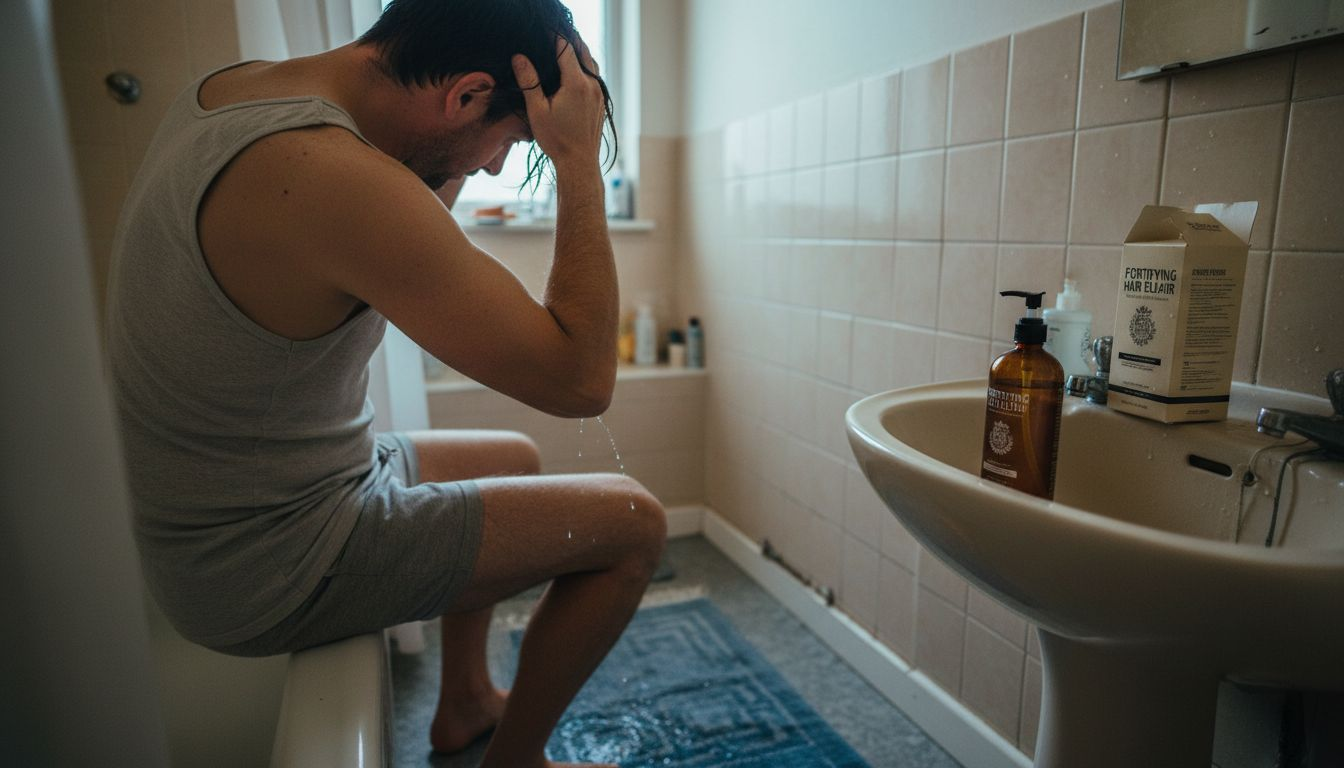
Protection from oxidative stress is equally important. Your scalp faces constant assault from free radicals generated by UV exposure, pollution, and the normal metabolic processes happening inside your body. These free radicals damage the delicate proteins and lipids that make up follicle structures. Squalane exhibits antioxidant and anti-inflammatory properties that act as a shield against this damage. It doesn’t neutralise every free radical, but it reduces the cumulative oxidative burden on your follicles. Think of it as taking antioxidants internally through diet but applying them directly where your hair actually grows. The scalp environment becomes more stable, less reactive, and less prone to the chronic inflammation that pushes follicles prematurely into the telogen or shedding phase. Hair follicles rely on complex signalling pathways that are easily disrupted by oxidative stress and inflammation, and maintaining a protected environment helps preserve normal hair growth cycling.
Inflammation Modulation and Cycle Regulation
The final mechanism relates to inflammation modulation. Chronic scalp inflammation disrupts the Wnt signalling pathways and other molecular signals that regulate your hair growth cycle. When inflammation persists, follicles spend less time in the active anagen phase where hair grows and more time in the catagen and telogen phases where hair sheds or stays dormant. Squalane helps moderate this inflammatory response by moisturising tissue and reducing the irritation that triggers inflammatory cascades. This doesn’t mean squalane is an anti-inflammatory drug like a topical steroid. Rather, it removes one of the primary drivers of inflammation by addressing the dry, compromised scalp condition that initiates the problem. For women experiencing pattern hair loss or stress-induced shedding, creating an anti-inflammatory scalp environment is absolutely essential. Your treatments, whether they involve minoxidil or other active ingredients, work far more effectively when applied to a calm, well-hydrated scalp rather than an inflamed one.
The cumulative effect of these three mechanisms is a scalp environment optimised for hair growth. You’re not forcing growth artificially. You’re removing the obstacles that prevent your natural growth cycle from functioning. Squalane works best as part of a complete regimen that includes appropriate cleansing, scalp treatments, and potentially other active ingredients targeting follicle health. The science isn’t flashy or revolutionary, but it’s remarkably effective.
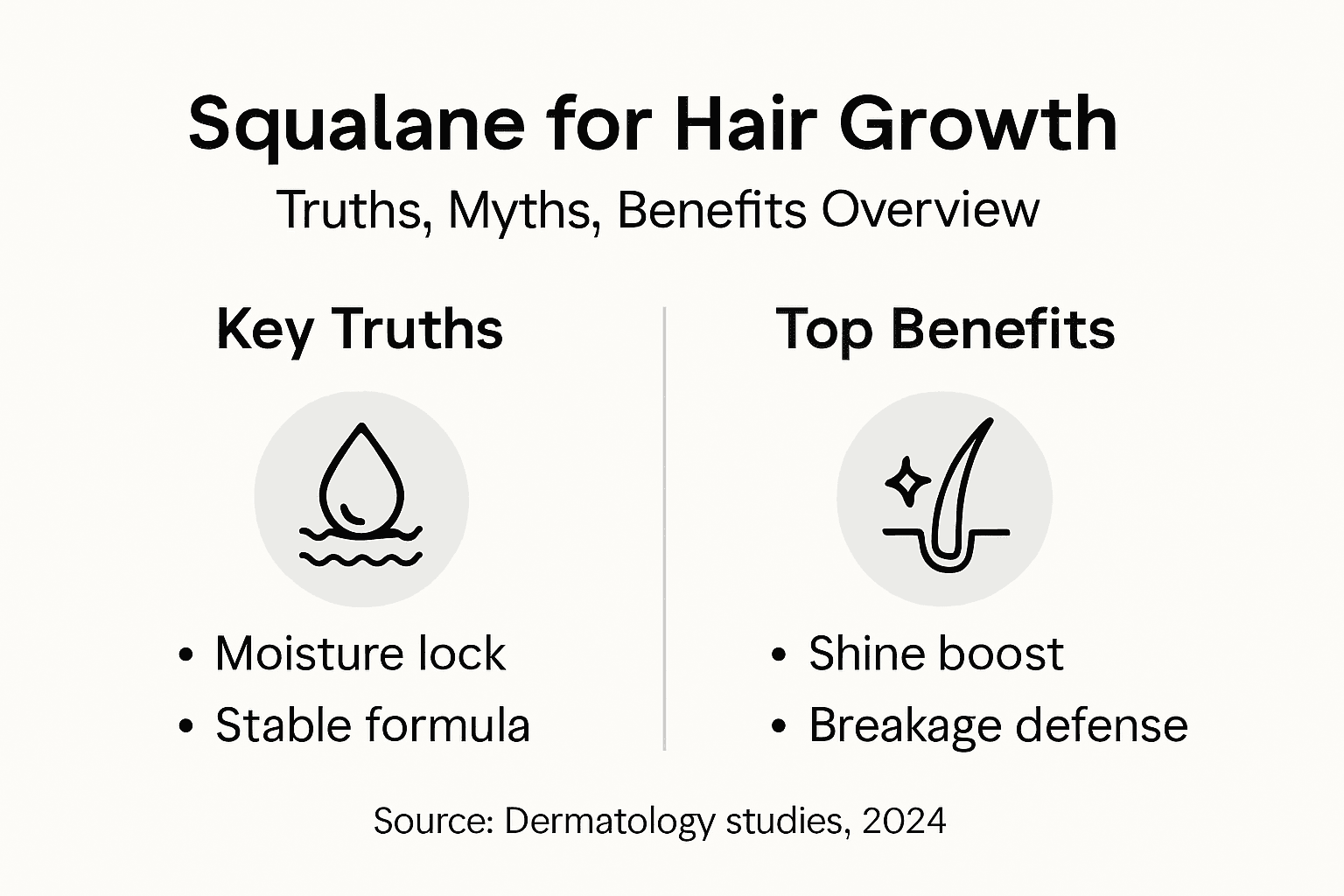
Pro tip: Apply squalane treatments to your scalp at least three to four times weekly and give them eight to twelve weeks to demonstrate effects, as the hair growth cycle operates on longer timescales and scalp environment changes require sustained effort to produce visible results.
Squalane’s Impact: Shine, Strength, and Breakage
If you’ve ever run your fingers through genuinely healthy hair, you know the feeling immediately. The strands feel smooth, move fluidly, and catch light naturally without any artificial sheen. That tactile experience reflects real structural integrity, not just surface cosmetics. Squalane contributes directly to this by addressing three visible, tangible changes: restoring shine, building strand strength, and reducing breakage. These aren’t marketing claims disconnected from biology. They’re direct results of what happens when you properly moisturise and protect your hair at the molecular level. For women aged 25 to 45 who’ve invested time and money in growing their hair, these three outcomes represent genuine value.
Shine Without the Greasiness
Shine is the first thing people notice. When light reflects evenly off your hair, it signals health and vitality. The mechanism is straightforward: squalane smooths the hair cuticle by creating a protective layer that fills microscopic gaps and irregularities. Think of your hair cuticles as roof tiles. When they lie flat and aligned, light bounces off predictably, creating shine. When they’re raised or damaged, light scatters randomly and your hair looks dull or frizzy. Squalane works like a microscopic smoothing agent that settles these raised cuticles without creating the heavy, greasy appearance that some oils produce. This distinction matters enormously. Heavy coconut oil or argan oil can leave your hair looking flat and weighed down, especially on finer hair types. Squalane enhances hair by moisturising the outer surface, adding visible shine whilst allowing your hair to move naturally. Your strands maintain volume and texture while gaining that professional, healthy gloss. This is why squalane works beautifully across all hair types, from fine and delicate to thick and textured. Everyone sees the shine benefit without the trade off of lifeless, greasy looking hair.
Strength and Breakage Prevention
Beyond shine lies something deeper: actual structural strength. Breakage doesn’t happen randomly. It occurs when your hair shaft becomes dehydrated, losing the internal moisture that maintains elasticity. Dry hair becomes brittle. Brittle hair snaps under tension from styling, friction against pillows, or simple manipulation. Squalane prevents this cycle by delivering and retaining moisture throughout the hair shaft. When your hair maintains proper hydration, it becomes more flexible and resilient. You can brush it, style it, and subject it to normal wear without triggering the snap and break pattern that creates split ends and shorter overall length. For women focused on growing their hair longer, preventing breakage is absolutely critical. You can add ten centimetres in growth, but if your ends are breaking off continuously, you’re fighting a losing battle. Squalane addresses this by supporting what research confirms as safer, effective hair conditioning. The science backs up what you’ll experience yourself: stronger, more resilient strands that can grow longer without constant damage.
The connection between moisture and strength reveals why squalane works synergistically with other treatments. If you’re using keratin treatments, biotin supplements, or other hair growth products, squalane creates the optimal hydration environment for those treatments to work most effectively. Dry, damaged hair cannot absorb or retain beneficial treatments. Hydrated, healthy hair acts like a sponge for active ingredients. You’re not choosing between squalane and your other treatments. You’re choosing to use squalane as the foundation that makes everything else work better. Women experiencing heat damage from blow drying, chemical treatments, or environmental stressors particularly benefit from this approach. Your hair needs moisture restoration before it can truly recover strength.
Building a Realistic Timeline
These benefits don’t materialise overnight. Hair grows slowly, and visible improvements in shine and strength take weeks to months of consistent application. Breakage reduction often appears first, within two to three weeks, as your hair shaft becomes more hydrated and flexible. Visible shine improvements typically follow within the same timeframe. Genuine length retention and strength building require patience, as you’re essentially waiting for damaged hair to grow out and be replaced by healthier new growth.
Pro tip: Apply squalane to the mid-lengths and ends of your hair, deliberately avoiding the scalp roots unless you have a particularly dry scalp, since concentrating the product where damage typically occurs maximises benefit whilst preventing any potential weighing down at the roots.
Comparing Squalane to Popular Growth Ingredients
Here’s where the conversation gets honest. Squalane is genuinely valuable for your hair, but it is not minoxidil. It’s not biotin. It’s not caffeine extract. Understanding the distinction between squalane and established growth ingredients matters enormously when you’re making decisions about where to invest your money and effort. Squalane excels at one thing: creating the optimal environment for hair to grow. It doesn’t directly stimulate follicles or address internal nutritional deficiencies. This doesn’t make it useless. It makes it something different. The best approach to hair growth typically involves combining ingredients that work through distinct mechanisms rather than choosing one silver bullet solution.
Direct Growth Stimulants Versus Environmental Support
Minoxidil remains the gold standard topical hair growth treatment approved by regulatory agencies worldwide. It works by directly extending the anagen phase of your hair cycle, literally forcing follicles to spend more time actively growing. You apply it twice daily, and over months, you see measurable increases in hair density and thickness. Biotin and other B vitamins address internal nutritional gaps that can restrict hair growth. If your body lacks sufficient biotin, your hair grows slowly or becomes brittle regardless of what you apply topically. These ingredients work systemically, affecting the biochemistry of hair production from within. Caffeine extract stimulates blood flow to the scalp, potentially increasing nutrient delivery to follicles. Squalane’s benefits are primarily supportive, meaning it doesn’t directly trigger these growth mechanisms. Instead, it creates conditions where these mechanisms function optimally. You could use minoxidil on a dehydrated, inflamed scalp and see reduced results because the scalp environment is hostile. Apply minoxidil to a healthy, well-moisturised scalp and efficacy improves significantly. This is squalane’s actual role.
Think about it like preparing soil before planting seeds. Minoxidil is the seed. Biotin is the fertiliser providing nutrients. Squalane is the soil preparation that ensures moisture retention and prevents nutrient runoff. A premium seed won’t germinate in poor soil. Premium fertiliser won’t help if water drains away immediately. The soil preparation isn’t glamorous, but it determines whether anything else works effectively. This distinction is absolutely critical for women aged 25 to 45 investing in hair growth treatments. Marketing often blurs these categories, suggesting that any moisturising ingredient contributes directly to growth. That’s not accurate. What squalane does is create the foundation that allows genuine growth treatments to work more effectively.
The Complementary Approach
The most effective hair growth strategies combine ingredients with different mechanisms of action. Popular hair growth ingredients like biotin and vitamin D target internal nutritional pathways whilst squalane handles external scalp environment optimisation. You’re not replacing one with the other. You’re using each for its specific strength. A woman taking biotin supplements whilst using minoxidil topically and applying squalane serums is addressing hair growth from three distinct angles: internal nutrition, direct follicle stimulation, and scalp environment quality. The synergy between these approaches typically produces better results than any single ingredient alone.
The comparison also highlights why product quality matters. A cheap squalane oil won’t moisturise effectively because it’s poorly formulated. A premium squalane serum with optimal stability, proper concentration, and complementary ingredients will demonstrate noticeable effects. Similarly, biotin supplementation only helps if you have a biotin deficiency. If you’re already getting sufficient biotin from diet, additional supplementation won’t boost growth beyond your genetic potential. Understanding these nuances prevents wasting money on ingredients that won’t address your specific hair loss cause. Some women experience hair loss due to nutritional deficiency. Others face scalp inflammation and dryness. Still others have genetic sensitivity to androgens requiring minoxidil or prescription treatments. Squalane benefits everyone by improving scalp health, but it functions best as part of a complete strategy rather than as a standalone solution.
The realistic timeline matters too. Minoxidil demonstrates measurable results within four to six months. Biotin effects take similar timeframes. Squalane improvements in scalp health, hydration, and breakage reduction become apparent within two to four weeks, but genuine growth acceleration requires the complete system working together. Be sceptical of any product claiming squalane alone will restore your hair. Be equally sceptical of treatments ignoring scalp health entirely. The most honest, science-aligned approach combines direct growth stimulants with supportive ingredients like squalane.
Below is a concise summary of how popular hair growth ingredients differ in their mechanism and expected results:
| Ingredient | Main Mechanism | Typical Timescale for Results | Role in Hair Growth Strategy |
|---|---|---|---|
| Minoxidil | Extends anagen phase | 4–6 months | Direct follicle stimulation |
| Biotin | Supports cell metabolism | 3–6 months | Resolves nutritional deficiencies |
| Caffeine | Improves microcirculation | 2–4 months | Boosts scalp nutrient delivery |
| Squalane | Moisturises, protects | 2–4 weeks | Optimises scalp environment |
Pro tip: Build your hair growth strategy by identifying your specific loss cause through honest assessment or dermatological consultation, then select minoxidil or prescription treatments if needed for direct stimulation, combine with targeted supplementation addressing your nutritional gaps, and layer squalane as the foundation supporting everything else rather than expecting any single ingredient to reverse hair loss independently.
Risks, Side Effects and What to Avoid
Let’s address the elephant in the room: squalane has a remarkably clean safety profile. This isn’t marketing hyperbole. This is backed by regulatory bodies, toxicology reviews, and years of cosmetic use across millions of consumers. However, safety doesn’t mean risk-free for every individual, and understanding what could potentially go wrong helps you use squalane intelligently. The reality is that squalane is one of the safest ingredients you can apply to your hair and scalp, especially compared to more aggressive chemical treatments or prescription medications. That said, context matters. Your individual skin chemistry, existing sensitivities, and product formulation all influence whether squalane works perfectly for you or causes unexpected issues.
The Safety Evidence
Squalane exhibits low acute toxicity and is not expected to pose significant risks under normal cosmetic use. Regulatory agencies including the Cosmetic Ingredient Review have evaluated squalane thoroughly and concluded it is safe at current concentrations used in haircare products. There is no significant evidence of skin irritation, sensitisation, or adverse reactions in the general population. Inhalation toxicity is extremely low with topical application, which matters because some people worry about inhaling product during application. Systemic toxicity is similarly minimal, meaning squalane doesn’t accumulate in your body or organs through normal cosmetic use. If you’ve used moisturisers, serums, or conditioners containing squalane previously without issues, you’re unlikely to encounter problems now.
The rare exceptions are worth understanding. Individuals with extremely sensitive skin or existing skin conditions like severe eczema or psoriasis should patch test new squalane products before full application. Patch testing simply means applying a small amount to a discrete area like behind your ear or inside your wrist and waiting 24 to 48 hours to observe any reaction. This identifies potential sensitivities before you apply product across your entire scalp. Some people with very reactive skin experience mild itching or redness from any new product, regardless of ingredient safety profile. This isn’t squalane being unsafe. It’s your skin being sensitive to change. The distinction matters because it guides your response. A true allergic reaction requires stopping use. A sensitivity to change often resolves within one to two weeks as your skin acclimates.
What Actually Matters: Sourcing and Formulation
The genuine risk with squalane isn’t toxicity. It’s sourcing. Historically, squalane derived from shark liver oil raised serious environmental and ethical concerns. Modern formulations overwhelmingly use plant-based sources like olives and sugarcane, which eliminates this ethical problem entirely. When shopping for squalane products, verify that your chosen product uses plant-derived squalane rather than animal-derived alternatives. Reputable brands clearly state their sourcing. If a product doesn’t specify, contact the company directly. This is a values decision more than a safety decision, but for cruelty-conscious consumers, it matters significantly.
Formulation quality matters more than the ingredient itself. A poorly formulated squalane product might contain stabilisers, preservatives, or complementary ingredients that trigger reactions in sensitive individuals. A premium, well-formulated squalane serum from a quality-focused brand minimises this risk substantially. This is why choosing products from reputable companies matters beyond just marketing. Brands committed to clean formulations carefully select every ingredient and optimise concentrations for safety and efficacy. Budget products sometimes cut corners on formulation quality, which increases the likelihood of adverse reactions. For women aged 25 to 45 investing in premium haircare, choosing established brands with strong quality control and transparency actually reduces your risk profile compared to using cheaper alternatives.
Interactions and Combination Use
Squalane plays well with virtually all other haircare ingredients. It doesn’t interfere with minoxidil efficacy. It doesn’t reduce biotin absorption. It doesn’t interact poorly with topical steroids if you’re treating scalp conditions. This non-interactive quality is actually valuable because it means you can build comprehensive treatment regimens without worrying about ingredient conflicts. However, if you’re using multiple active treatments simultaneously, introduce them one at a time with at least one week between additions. This approach identifies which product causes any unexpected reaction if one occurs. If you introduce minoxidil, squalane, and a scalp treatment all at once and experience irritation, you won’t know which ingredient caused it.
What to Actually Avoid
The primary thing to avoid is misleading marketing claiming squalane can replace medical treatments. Squalane cannot substitute for minoxidil if you have androgenetic alopecia. It cannot replace biotin supplementation if you have nutritional deficiency. It is not a standalone solution for significant hair loss. Use squalane as part of a complete strategy, not as your entire strategy. Avoid shark-derived squalane on ethical grounds if that aligns with your values. Avoid extremely cheap products with unclear sourcing or formulation transparency. Avoid applying squalane to already inflamed or compromised scalp without patch testing first. Otherwise, squalane is remarkably forgiving and safe for essentially everyone.
Pro tip: If you have existing scalp conditions like seborrhoeic dermatitis, psoriasis, or active inflammation, patch test squalane behind your ear for 48 hours and consult your dermatologist before full application, as even safe ingredients can occasionally irritate pre-existing inflammatory conditions.
Elevate Your Hair Growth Journey with Premium, Plant-Based Care
If you have been searching for a solution to scalp dryness, inflammation, or hair breakage and want to create the perfect environment for natural hair growth, then understanding the power of squalane is a vital first step. This article highlights how maintaining a hydrated, soothed scalp unlocks your follicles’ potential — a challenge many women aged 25 to 45 face when combating premature thinning or dullness. Now you can complement these insights with effective, ethically sourced products crafted to work with your hair’s biology rather than against it.

Explore the carefully curated selection at LUXEVASTORE.com, where you will find premium, cruelty-free hair treatments enriched with clean, plant-derived ingredients like squalane, argan oil, and biotin. Each product supports scalp health and hair strength, helping you enjoy the radiant shine and lasting vitality your hair deserves. Don’t wait to transform your haircare ritual — visit LUXEVASTORE today and start seeing results that matter.
Frequently Asked Questions
What is squalane and how does it benefit hair growth?
Squalane is a stable, hydrogenated form of squalene, a lipid naturally produced by the skin. It mimics natural oils, penetrating the hair and scalp to moisturise, condition, and protect the hair shaft, thereby creating a healthy environment for hair growth.
Can squalane replace traditional hair growth treatments like minoxidil?
No, squalane cannot replace direct hair growth stimulants like minoxidil. It primarily functions to create an optimal environment for hair growth by moisturising and protecting the scalp, rather than directly stimulating hair follicles.
Is squalane suitable for all hair types?
Yes, squalane is suitable for all hair types. It hydrates and conditions hair without leaving a greasy residue, making it an effective treatment for fine, thick, and textured hair alike.
How should I apply squalane for the best results?
For maximum absorption, apply squalane to damp hair and scalp immediately after showering. This helps lock in moisture, promoting better hydration and overall scalp health.
Recommended
- Hair Growth Serums: Revitalising Thinning Hair Naturally – LUXEVA
- Science Behind Hair Growth: Nature Meets Innovation – LUXEVA
- What Are Hair Serums? Transforming Your Daily Haircare – LUXEVA
- 7 Best Hair Growth Serums Naturally for Women in the UK – LUXEVA
- Black Seed Oil for Hair Growth: Benefits and Tips 2025 | MyHair